MEC announces 12 Education Code changes that teachers deem necessary but hard to achieve under current system conditions
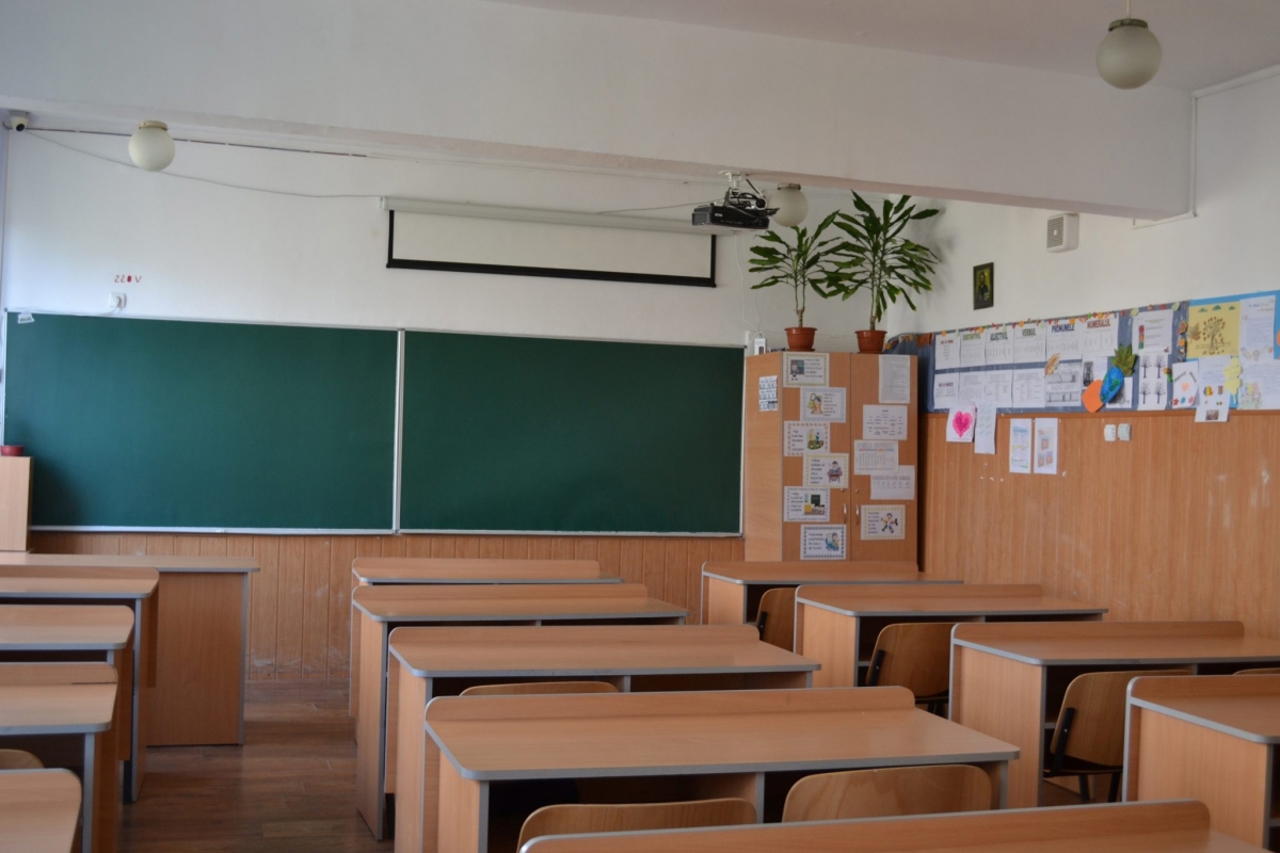
Schools with a low enrollment will be gradually reorganized. This process will focus on 73 schools that have over 1,300 students, as announced by the Minister of Education and Research, Dan Perciun.
Due to declining student numbers, the “Gheorghe Nastase” Gymnasium in the village of Hristici, in the Soroca district, was transformed into a primary school with the same name two years ago. Following amendments to the Education Code, the institution is now set to become a kindergarten.
Daniela Caldare, the director of the educational institution, asserts that she does not see an issue with the reorganization process, given that the school currently has only 12 students. She notes that even if there are still children in the locality who could enroll in primary school, their parents often choose to send them to larger educational institutions in Soroca instead.
According to Caldare, this decision is not in the best interests of the children, as the classes in those larger schools are overcrowded, preventing teachers from giving younger students adequate attention.
On the other hand, some parents in the village are reluctant to send their children to the city due to the "very bad and inaccessible" road that makes daily transportation difficult, as it is located 12-15 kilometers away.
At present, the school in Hristici has only four teachers, and the reorganization poses a risk of leaving them without jobs. While they would prefer to work in city schools, it is unlikely that suitable positions would be available for them there.
State invests in educational transition
Minister Dan Perciun held a press conference on December 2 to present a comprehensive package of 12 amendments to the Education Code, aimed at addressing demographic realities and current challenges within the education system. Among the proposed changes are the inclusion of young people with severe intellectual disabilities, financial self-management for educational institutions, and the reintroduction of grades for 4th-grade exam subjects.
This project will first undergo public debate. University professor Viorica Goraș-Postică, emphasizes the importance of programs dedicated to children from the diaspora and new initiatives focusing on inclusion and school assessment. However, she notes that achieving these goals under the current education system conditions is quite challenging.
Regarding the reintroduction of grades in the 4th grade for exam subjects, Goraș-Postică points out that the state has made significant investments in transitioning away from grades, a reform that has effectively reduced stress for children. She argues that the difficulties some students face in advancing to the 5th grade are not significant enough to warrant disrupting their academic progress. She views this change as a compromise aimed at addressing parental dissatisfaction.
One amendment to the Education Code proposes the establishment of support programs for children returning to the country after time spent abroad, with the state financing these additional courses for the first time following the necessary adjustments to the regulatory framework, according to Dan Perciun.
Another amendment mandates financial autonomy for schools with over 400 students. Despite having a mechanism in place for over a decade, 172 institutions still depend on district directorates.