Check your caterer's license to prevent food poisoning, ANSA urges
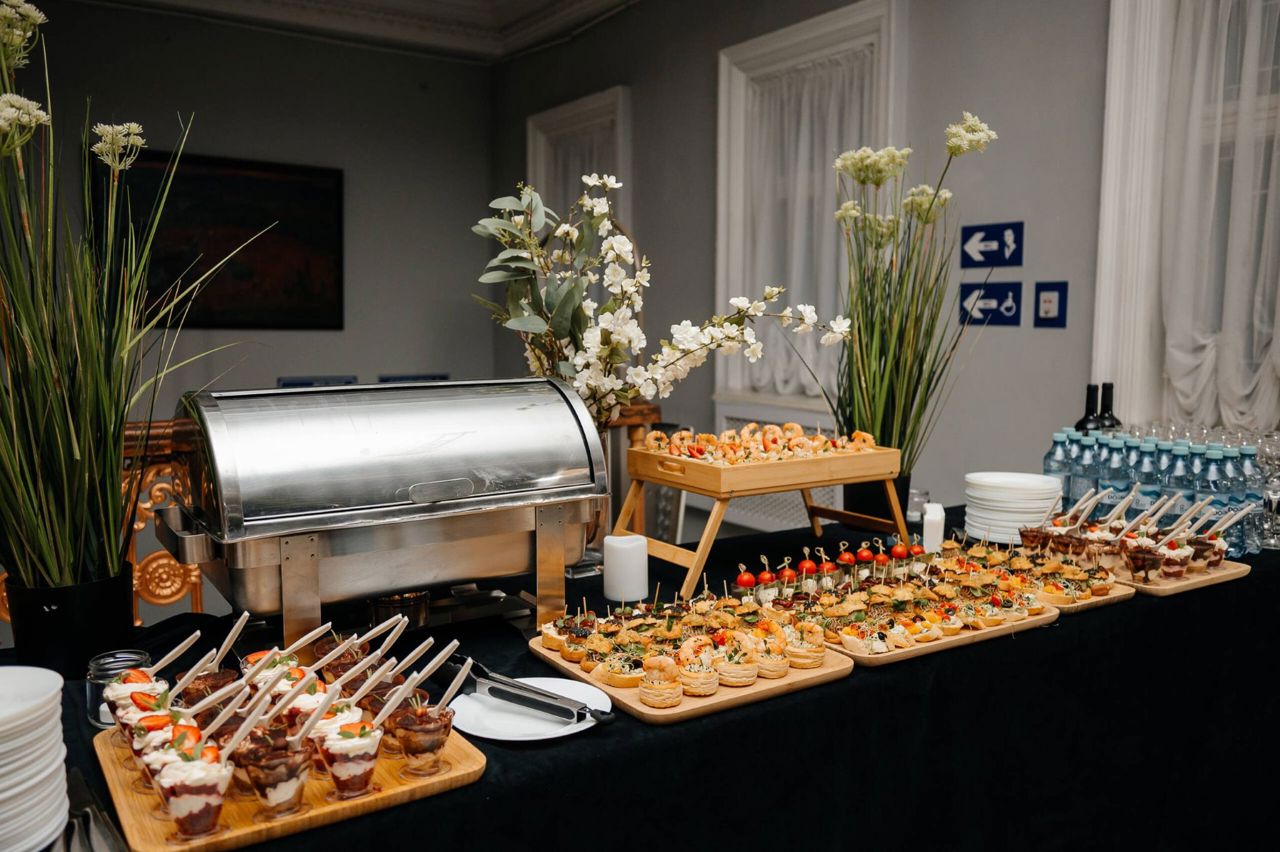
Catering services are increasingly popular for organizing private events—such as birthdays, memorial services, and corporate meetings—primarily for convenience and to free up dozens of hours of planning and preparation time.
However, this option carries significant responsibilities, especially concerning food safety.
The National Agency for Food Safety (ANSA) in Moldova is urging consumers to exercise extreme caution when selecting a catering provider. The agency issued a series of clear recommendations aimed at preventing health risks and foodborne illness outbreaks.
Check Reputation and Experience
Firstly, consumers are advised to analyze the company's experience and reputation. It is critical to check how long the business has been operating, review customer feedback, and examine the methods used for packaging and delivery to ensure hygiene standards meet regulatory requirements and prevent contamination.
Official Authorization is Mandatory
Official licensing is an essential criterion. ANSA recommends verifying that the company is registered and officially licensed to provide catering services, requesting confirmatory documents if necessary. This check is crucial for consumer protection.
Special attention must also be paid to basic hygiene standards. Preparation areas must be clean and well-maintained, and the personnel must strictly adhere to personal hygiene rules.
Avoid Unlicensed Venues
A critical but often overlooked aspect is the event location. ANSA warns that events organized in spaces unauthorized for food activities can severely jeopardize food safety and facilitate food poisoning. The chosen venue must also be officially registered or licensed.
Demand Supply Chain Transparency
The source of ingredients is equally important. Consumers should request information on the origin of the food products and how they are prepared. Collaboration with registered domestic producers and the use of traceable ingredients signals the provider is operating under a controlled and accountable supply chain, which is a major indicator of safety and quality.
The menu should be tailored to the guest list, accommodating dietary preferences like vegetarian, vegan, gluten-free, or allergy-specific options. Menu diversity and balance contribute both to safety and to reducing food waste.
ANSA also recommends scrutinizing conditions for food storage and transport. Products must be transported using officially licensed vehicles and maintained at appropriate temperatures throughout the entire event, including service time.
Additionally, specialists advise using seasonal ingredients for optimal freshness and cost-efficiency, and avoiding overly heavy or monotonous menus by combining textures and flavors in a balanced way.
The National Agency for Food Safety emphasizes that non-compliance with these rules can lead to severe food poisoning or large-scale foodborne illness outbreaks. In case of quality suspicions, citizens can contact the agency through its official website or Call Center.
Translation by Iurie Tataru