Farmers demand debt moratorium as Moldova’s agriculture debt hits $190M
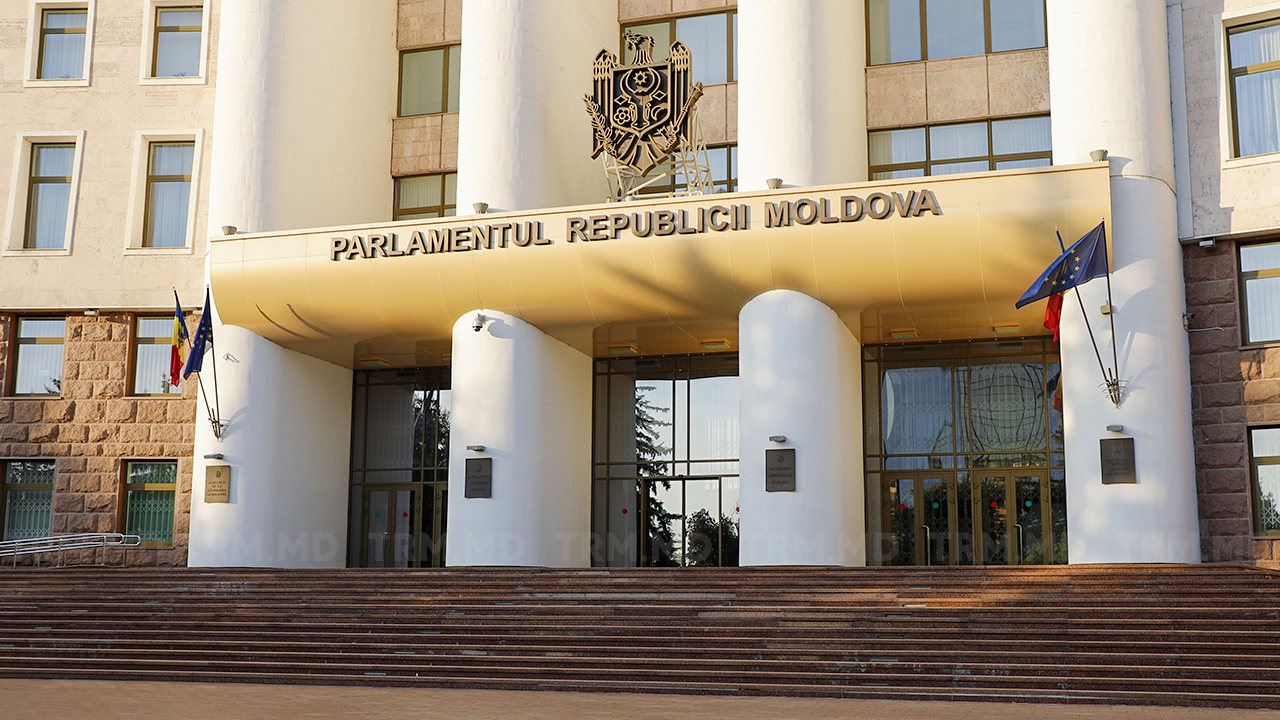
The Moldovan Ministry of Agriculture and Food Industry, headed by Minister Ludmila Catlabuga, is the target of a non-binding no-confidence motion signed by 42 Members of Parliament.
The initiative was formally introduced on December 18 by Serghei Ivanov, chair of the Parliamentary Agriculture Commission, citing a systemic collapse in the nation's primary economic sector.
“I stand before you representing the struggle of our rural heartland,” Ivanov stated, pointing to thousands of farmers currently facing tractor repossessions and frozen bank accounts. The lawmaker highlighted significant delays in state subsidy payments, leaving growers unable to cover high-interest bank loans and mounting penalties.
According to Ivanov, the crisis is visible in the nation's trade balance: exports have plummeted while the market is flooded with cheaper imports, a "red flag" he claims authorities have systematically ignored. The motion also criticizes Minister Catlabuga for her absence during crucial 2026 budget hearings, leaving lawmakers’ questions about emergency funding unanswered.
Parliament Speaker Igor Grosu confirmed the motion’s registration, which by law must be debated in a plenary session within seven days. In response, Minister Catlabuga stated she is prepared to defend her record in Parliament, noting she has her own "tough questions" for the legislators regarding funding approvals.
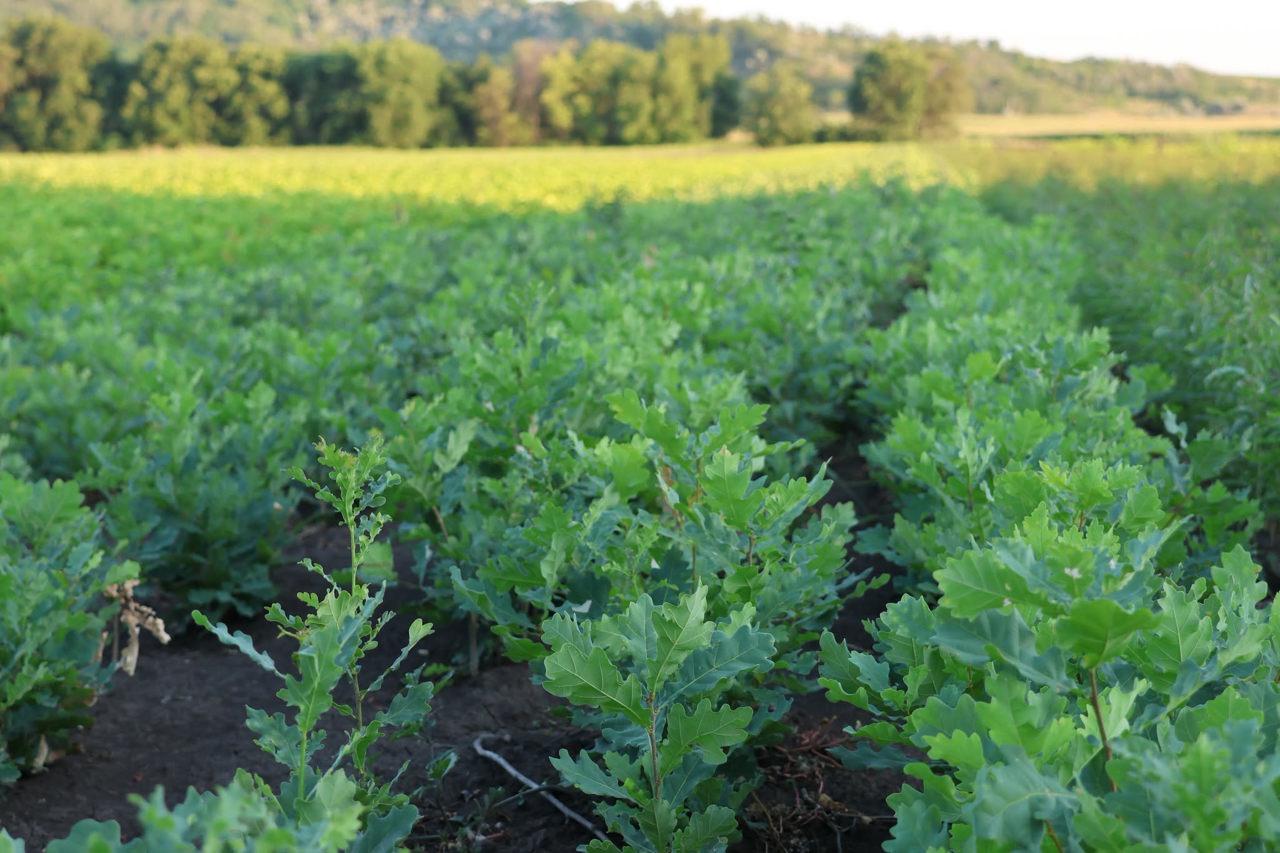
The political move follows a wave of unrest. On December 10, farmers from southern Moldova—where back-to-back droughts have turned once-fertile fields into dust—staged a mass protest at the Government building. They described a "catastrophic" financial state, reporting that banks and seed suppliers have completely cut off credit lines for the 2025 season.
To address the turmoil, Finance Minister Andrian Gavriliță proposed a plan to convert the government’s 3.4 billion lei ($190 million) debt to the sector into state bonds. These bonds would serve as collateral, allowing desperate farmers to secure new bank loans.
Simultaneously, a new bill approved by the Agriculture Commission on December 18 seeks to implement a 12-month moratorium on asset seizures. If passed, this would legally block creditors from repossessing land, machinery, or livestock, ensuring that farmers hit by natural disasters can keep their equipment in the fields for another production cycle.
Translation by Iurie Tataru