From EU protégé to nationalist rival: Péter Magyar’s hardline rhetoric sparks fresh diplomatic tensions with Romania and Ukraine
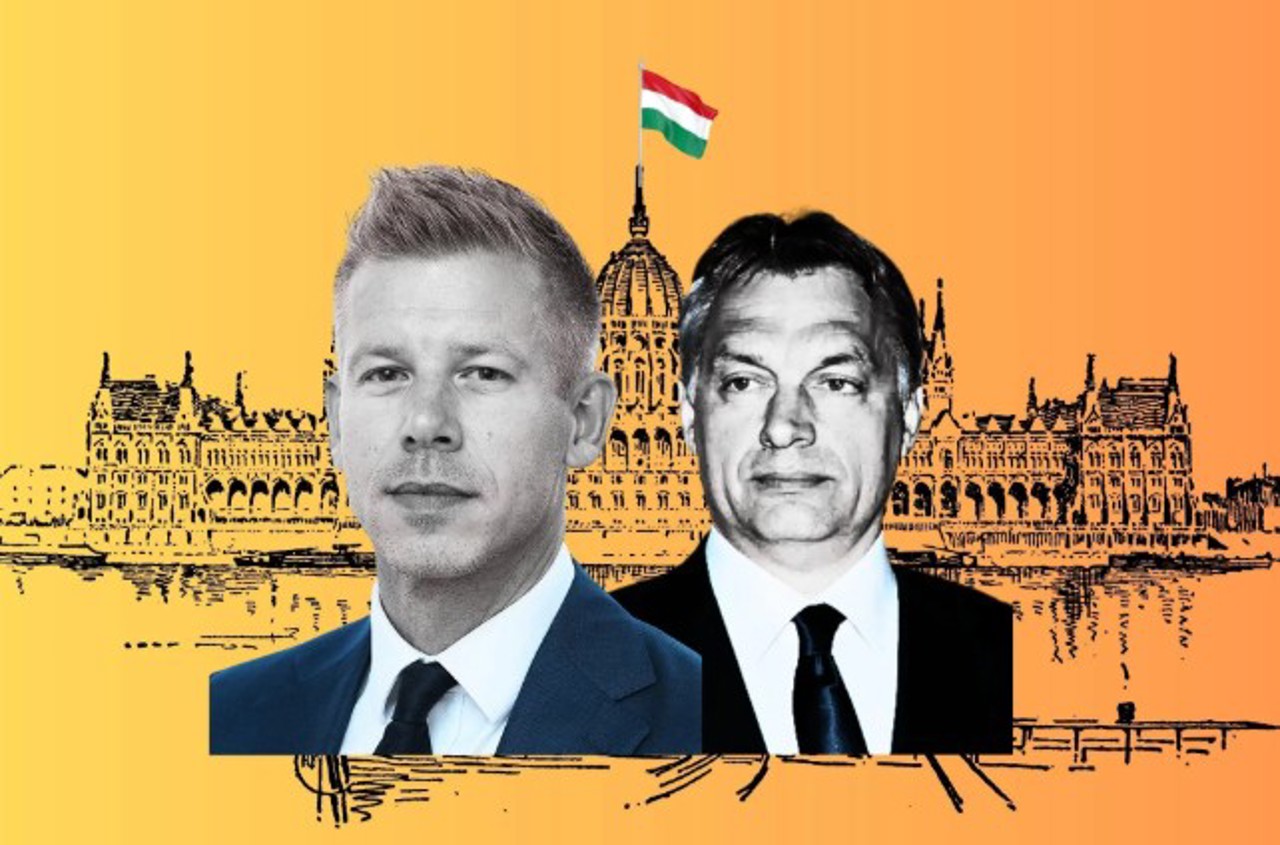
Hungarian Prime Minister Viktor Orbán has once again drawn the ire of European capitals and EU institutions.
On Sunday, Orbán refused to join a joint statement from the other 26 member states regarding the ongoing crisis in Venezuela, further isolating Budapest on the global stage.
A historic threat to the Fidesz stronghold
For the first time in 15 years, Orbán’s grip on power appears fragile. Current polling ahead of the April 2026 elections shows the ruling Fidesz party trailing by seven percentage points behind the center-right Tisza party.
Led by Péter Magyar, Tisza has capitalized on growing dissatisfaction with Orbán's authoritarian leanings and his systematic opposition to EU policies. While Orbán has dominated Hungarian politics since 2010, Magyar has emerged as a formidable, high-profile rival.
The rise of Péter Magyar
Magyar’s ascent is rooted in the very system he now seeks to dismantle. A former high-ranking Fidesz member and ex-husband of former Justice Minister Judit Varga, Magyar broke ranks in 2024.
His resignation followed a major scandal involving a presidential pardon for an individual linked to a child abuse case, which forced both Varga and then-President Katalin Novák to step down. Since then, Magyar has propelled the minor Tisza party to national prominence, securing 30% of the vote in the 2024 European elections.
Brussels shields the opposition leader
The political battle moved to Strasbourg on October 7, 2025, when the European Parliament rejected Budapest's request to waive Magyar's immunity. Hungarian authorities sought to prosecute him for alleged theft and defamation.
European lawmakers dismissed the move as a politically motivated crackdown. One Italian MEP accused Orbán of "replicating the repressive methods of Vladimir Putin," while other factions suggested halting all extraditions to Hungary due to rule-of-law violations.
Nationalist rhetoric triggers regional alarms
Despite his pro-European label, Magyar’s discourse has taken a sharp nationalist turn as the election countdown drops below 100 days. He has increasingly attacked Orbán for failing to "defend the interests" of ethnic Hungarians in Romania, Slovakia, and Ukraine.
Regarding Romania, Magyar’s social media posts have sparked controversy. He recently criticized Orbán for referring to Timișoara as a "Romanian city" and accused the Prime Minister of supporting Romanian candidates who "hate Hungarians."
Geopolitical concerns in Kyiv and Bratislava
The shift has left neighboring capitals uneasy. In Slovakia, Magyar has targeted the government of Robert Fico over laws restricting criticism of the post-WWII Beneš decrees.
In Kyiv, officials view the Hungarian election with apprehension. Despite Magyar’s pro-EU stance, his "ultra-nationalist" messaging—sometimes more radical than Orbán’s—suggests that a change in leadership may not necessarily ease geopolitical tensions regarding the Hungarian minority in Ukraine.
Translation by Iurie Tataru