Russia targets shadow economy and tech imports to slash budget deficit
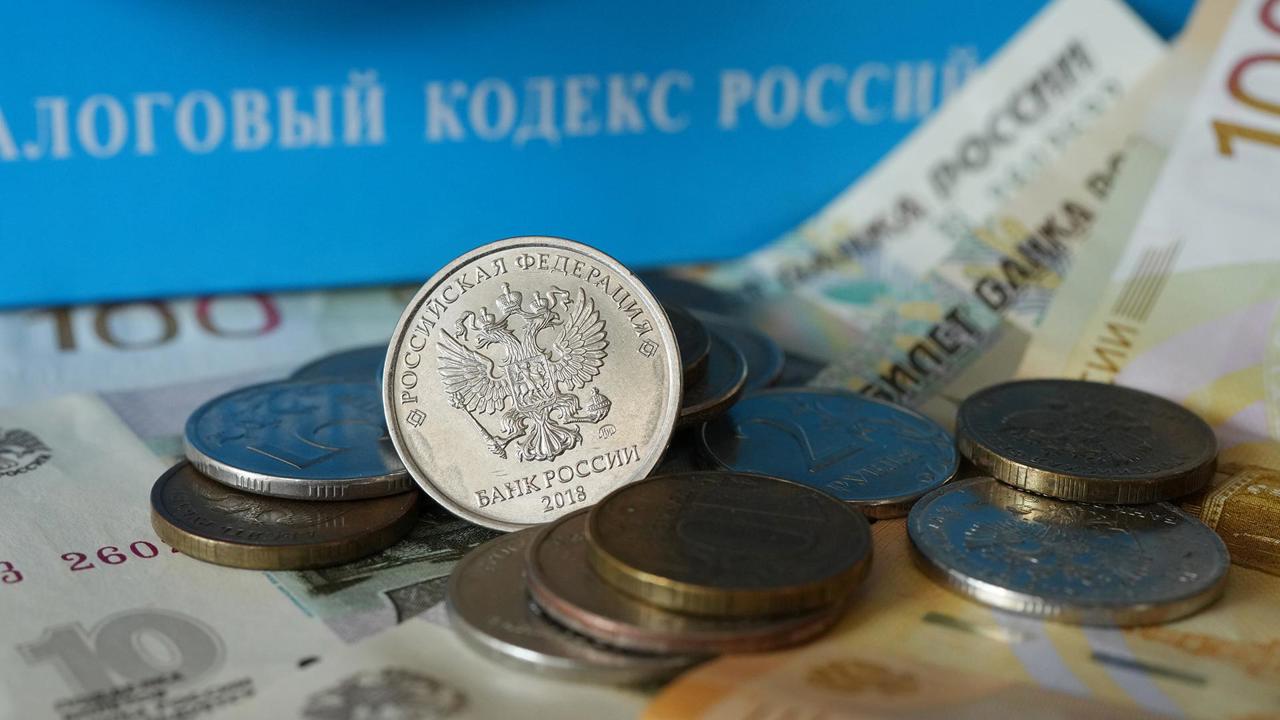
President Vladimir Putin has ordered the Russian government to ensure a "significant increase" in tax collection by 2026.
The directive follows a December meeting of the Council for Strategic Development, as reported by The Moscow Times.
According to Kremlin documents, the government must launch a plan to tackle the shadow economy by the first half of 2026. This move aims to accelerate growth as Russia's GDP rose by a mere 0.1% last November, with industrial production contracting by 0.7%.
New fiscal measures and VAT hikes
To meet these targets, the federal treasury must collect an additional 3.2 trillion rubles—approximately €30.4 billion (595.8 billion MDL). This will bring total planned revenue to 40.28 trillion rubles for the year.
The Ministry of Finance expects to generate 1.2 trillion rubles by raising VAT to 22%. This represents the highest level for the tax in Russia since 1992.
Furthermore, a radical fiscal reform for small businesses will lower the simplified tax threshold to 20 million rubles. This adjustment is projected to bring in an additional 200 billion rubles.
Tackling the deficit and inflation
A new "technology tax" on electronics and equipment will be introduced on September 1. The government anticipates this measure will yield 200 billion rubles over the next three years.
These tax hikes are designed to narrow the budget deficit, which recently hit 5.7 trillion rubles—approximately €54.2 billion. Officials aim to reduce this gap to 3.8 trillion rubles, or 1.6% of GDP, by next year.
Prime Minister Mikhail Mishustin and Central Bank Governor Elvira Nabiullina are responsible for the implementation. They are required to submit a progress report to the President by June 1, 2026.
Translation by Iurie Tataru