Moldova accelerates local government reform through voluntary amalgamation
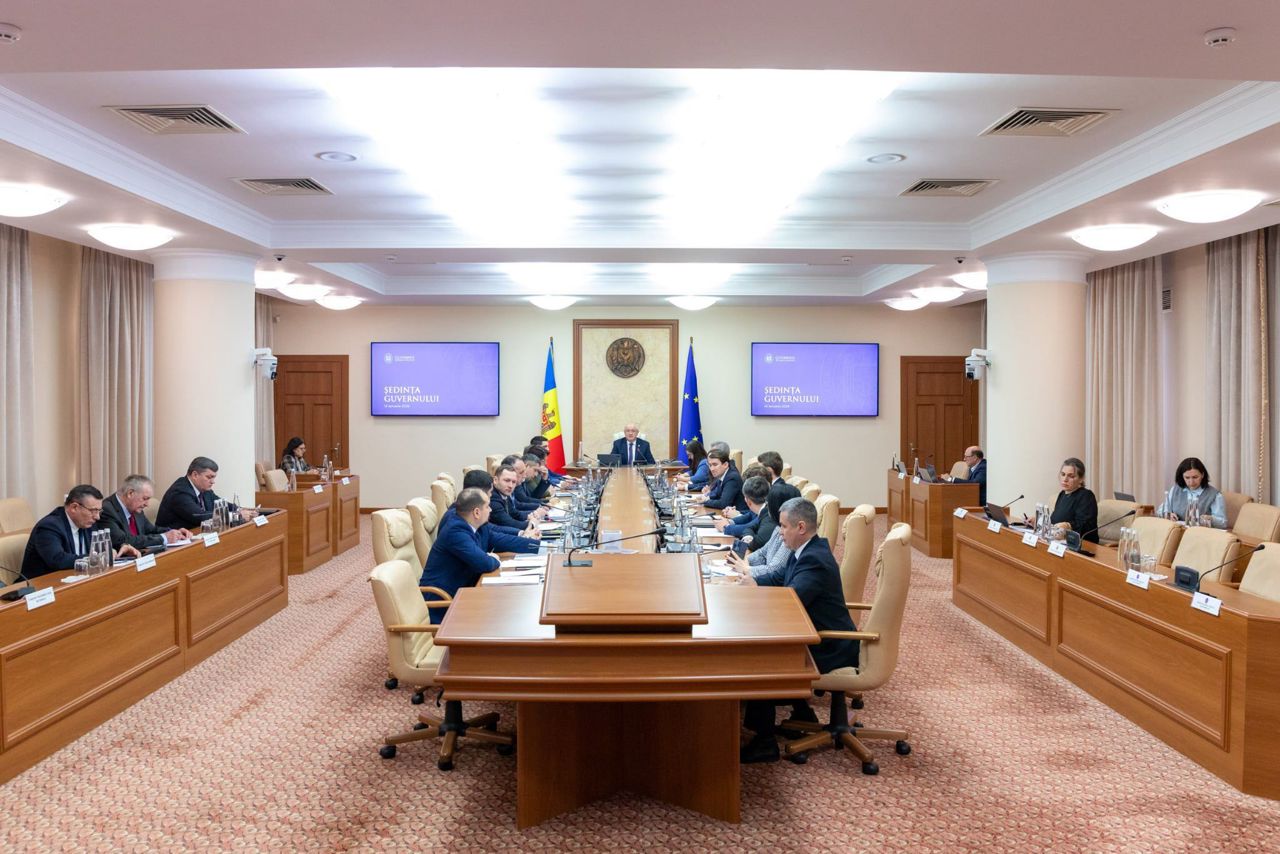
The Moldovan government has launched a new round of public consultations to accelerate the consolidation of local administrations. Secretary General Alexei Buzu announced on Tuesday that the reform aims to replace fragmented bureaucracy with resilient municipal hubs capable of delivering high-quality public services.
The restructuring will be implemented in four distinct phases, focusing on reallocating funds from administrative overhead to community projects. Under the plan, individual villages will retain their identity, but their governing town halls will merge into larger, more efficient administrative units.
To ensure citizens are not disconnected from the state, the government will transform former administrative offices into integrated service centers. These "single-window" points will house social workers, local police officers, and community facilitators, allowing residents to access all necessary documentation in one location.
Unlocking European infrastructure funds
A primary driver of this reform is the need to attract direct investment and access European Union infrastructure funding. Consolidated municipalities are better positioned to manage large-scale projects, such as modernizing water supply systems, road networks, and waste management facilities.
While the voluntary amalgamation process began in 2023, adoption has been gradual. To date, only 34 municipalities—approximately 3.8% of Moldova’s 898 local jurisdictions—have initiated the legal procedures to merge.
The path forward through dialogue
Secretary General Buzu emphasized that the final implementation model will be shaped by ongoing discussions with mayors, civil society, and local citizens. The strategy relies on voluntary participation, where local councils vote to merge based on shared economic and social interests.
Translation by Iurie Tataru