New research links 1903 Kishinev Pogrom to 20th-century mass crimes
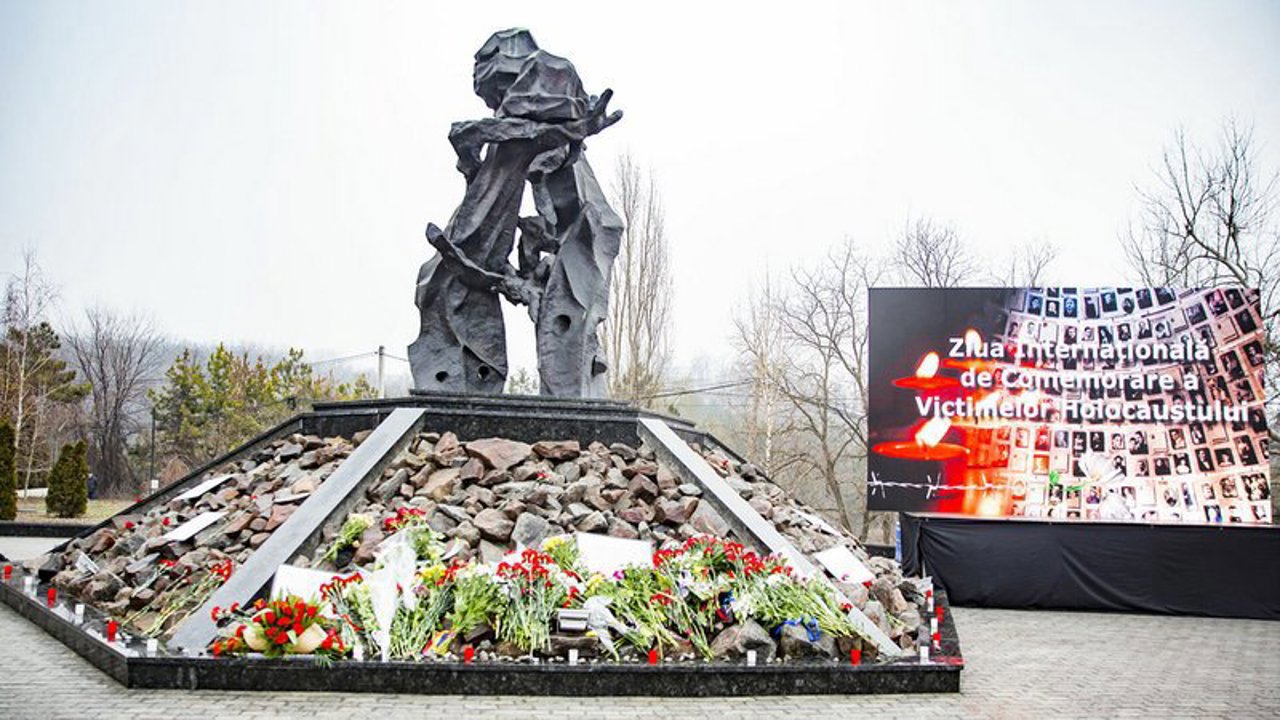
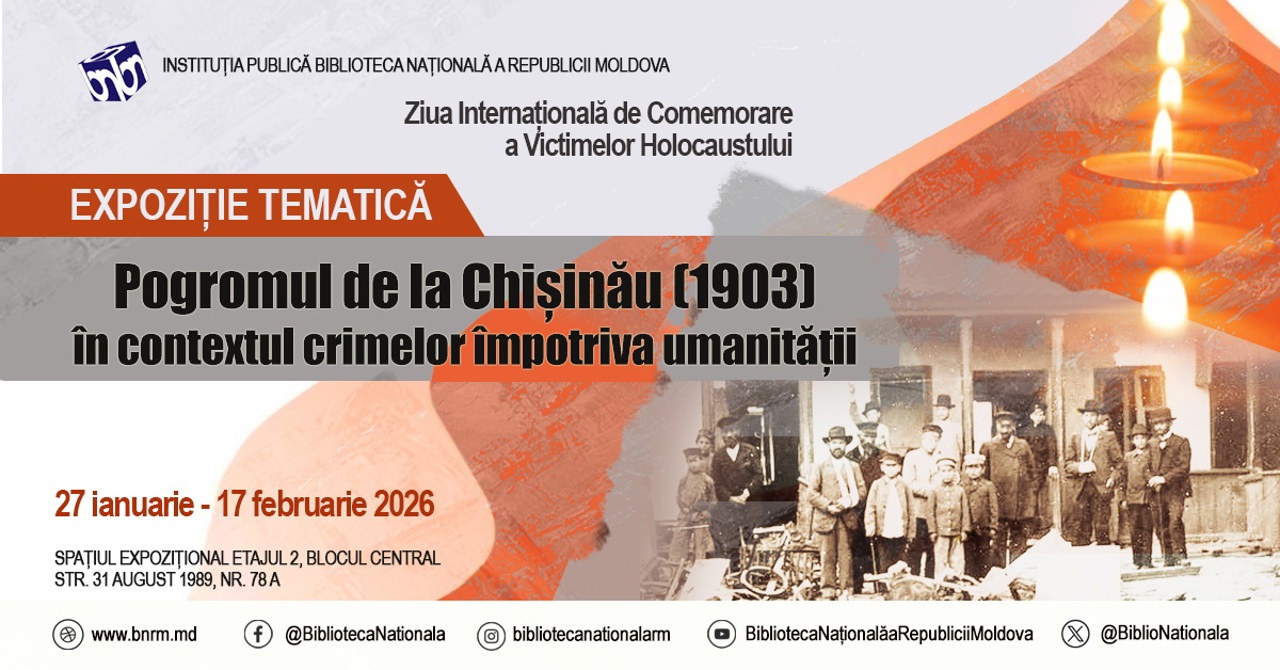
Moldova joins the global community on January 27 to observe International Holocaust Remembrance Day. The National Library in Chisinau will spearhead the commemorations with a landmark exhibition titled "The 1903 Kishinev Pogrom in the Context of Crimes Against Humanity."
The exhibition and an accompanying book launch aim to provide a profound historical perspective on the tragedies that shaped the region. Organizers have curated nearly 100 documents, organized into thematic sections covering the life of the Jewish community in historical Bessarabia and the horrors of extermination camps.
Bridging historical tragedies
A focal point of the event is the launch of the 2025 English edition of The Truth about 1903 Pogrom by Dr. Hab. Jozefina Cușnir. This updated research positions the 1903 local massacre as a precursor to the systematic mass crimes of the 20th century.
The book highlights the cultural and historical climate of the time, documenting both the tragedy and the resistance of Chisinau residents. It emphasizes how local outbreaks of violence paved the way for the broader scale of the Holocaust.
Educational commitment and national memory
Beyond the exhibition, educational institutions across Moldova will conduct a remembrance week from January 26 to 30. These activities are designed to foster reflection on the roots of ethnic and religious hatred.
While the UN established the international day in 2005, Moldova officially designated January 27 as a National Remembrance Day in 2015. The state recognizes the murder of six million Jews by the Nazi regime between 1933 and 1945 as a central tragedy of human history.
A legacy of prevention
The commemorations also honor millions of other victims, including Roma, people with disabilities, and political dissidents. Officials stress that studying this era is essential for preventing future genocides.
The National Library's collection includes "Echoes from the Darkness," a section dedicated to the diaries and memoirs of those who lived through the atrocities. This mobile-accessible history aims to ensure that the lessons of the past remain visible to younger generations.
Translation by Iurie Tataru