Chisinau denounces Kremlin-backed institutional sabotage in autonomous Gagauzia
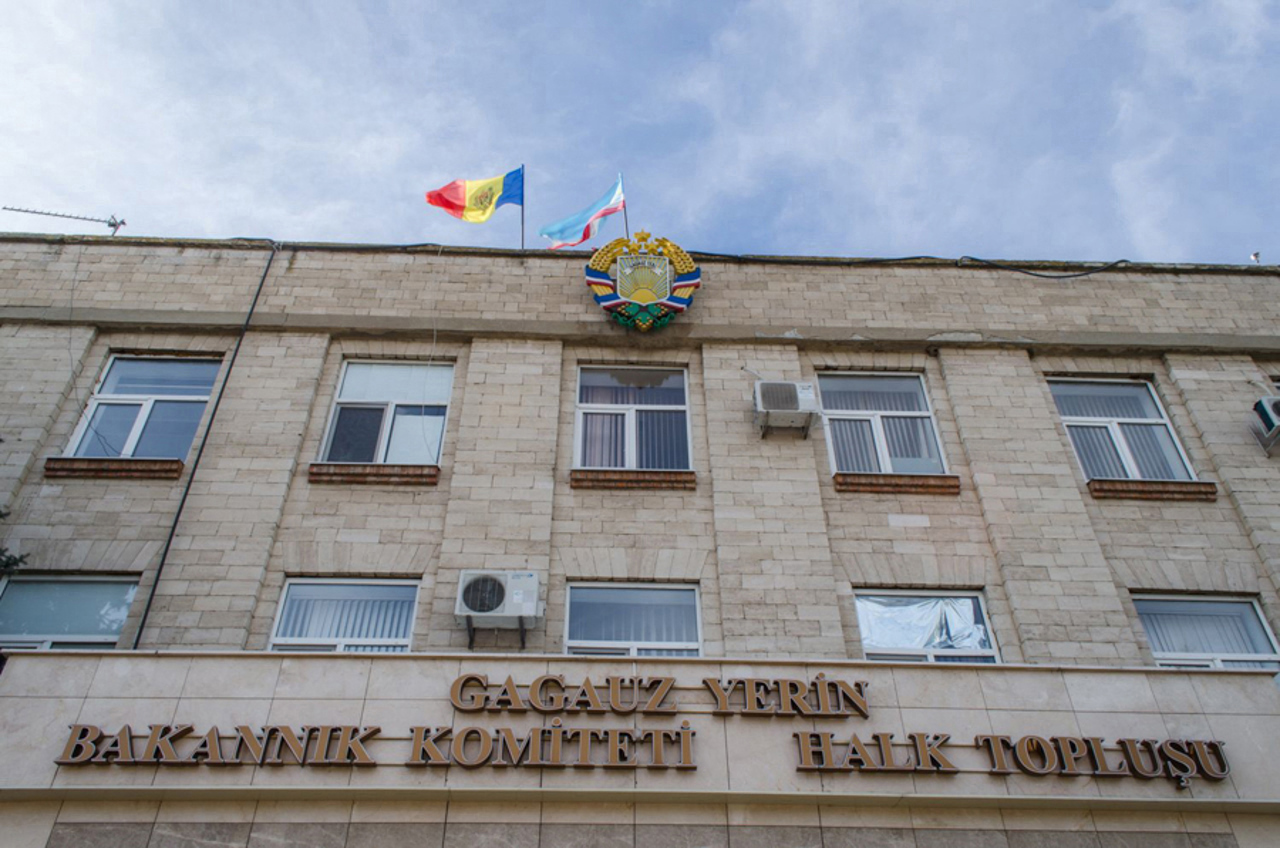
Moldova’s central authorities are awaiting a pivotal ruling from the Constitutional Court regarding the legality of electoral regulations in the autonomous region of Gagauzia.
The Speaker of Parliament, Igor Grosu, stated on Tuesday, March 12, that the current political impasse was deliberately engineered by local officials in Comrat with the direct support of "friends at the Kremlin."
The constitutional challenge
The Ministry of Justice filed a petition on March 9 challenging several provisions of the Law on the Special Legal Status of Gagauzia. At the heart of the dispute is a regulation that allows the regional People's Assembly to unilaterally appoint its own electoral body.
Legal experts argue this creates a "parallel administrative framework" that undermines Moldova’s status as a unitary state. The petition emphasizes that while Gagauzia enjoys self-governance, it cannot exercise authority over national pillars such as security, policing, or the fundamental organization of elections.
Institutional sabotage in Comrat
Igor Grosu clarified that the regional administration effectively dismantled the legitimate electoral mechanisms, creating a legal vacuum. He noted that the People’s Assembly attempted to dissolve the regional electoral bureau, replacing it with a body later declared illegal by Moldovan courts.
"We do not have different legal systems within the same country," Grosu asserted. He highlighted that essential services, including the Intelligence and Security Service (SIS) and the national police, must operate under a unified command, regardless of regional autonomous status.
Foreign interference and the path forward
The Speaker explicitly linked the crisis to fugitive oligarch Ilan Shor and Russian influence. He suggested that the deadlock is part of a broader strategy to destabilize the region and compromise the integrity of the democratic process through "bribery and external influence schemes."
Currently, Gagauzia remains in a state of administrative limbo. While the mandate of the local People's Assembly has expired, the elections—originally slated for November 2025—have yet to be scheduled.
Chisinau officials insist that any solution must strictly adhere to Moldovan national law. "The response is clear: the process will follow the laws of the Republic of Moldova," Grosu concluded.
Translation by Iurie Tataru