Moldova cuts rail fuel waste by 14 tons following launch of US-funded surveillance center
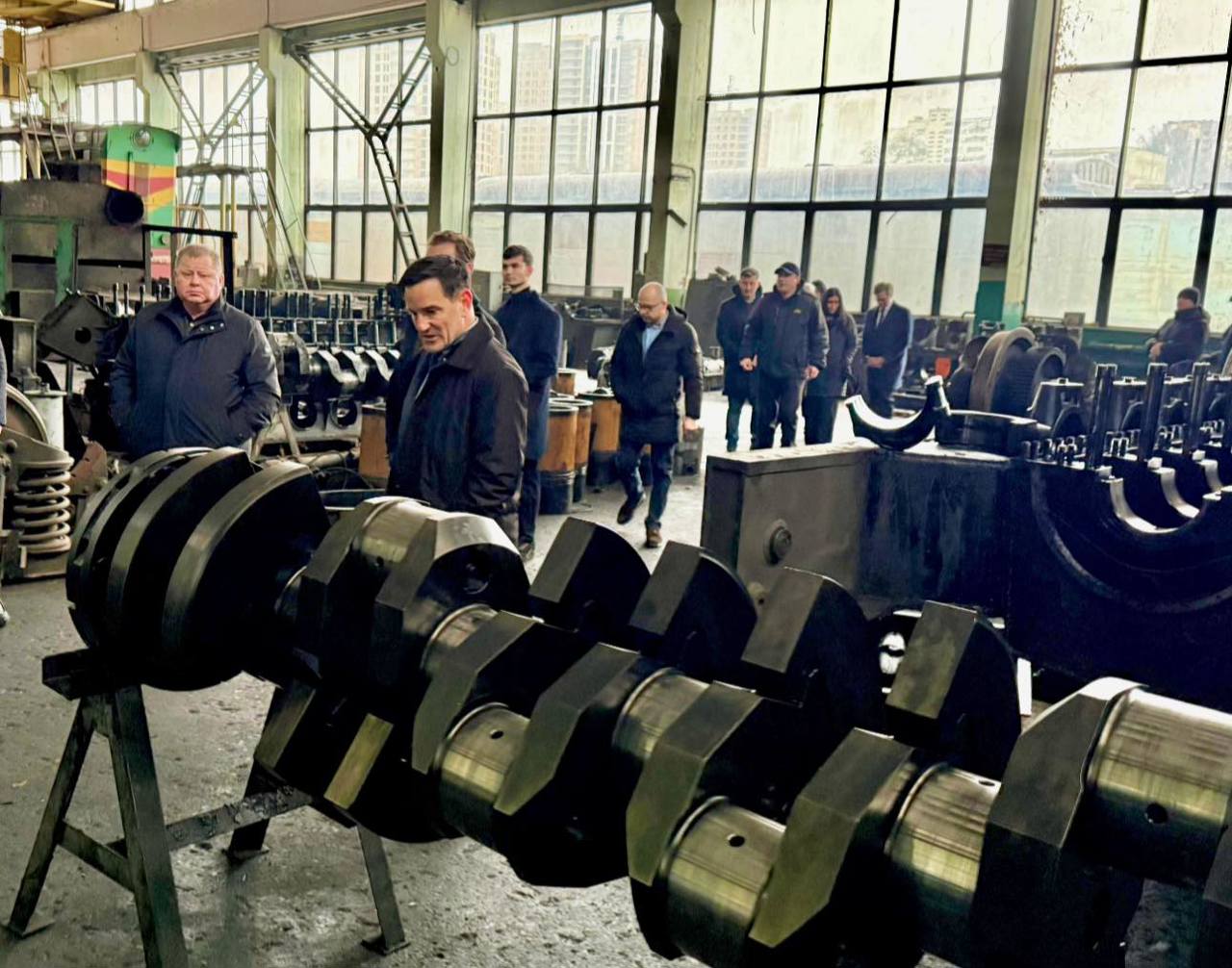
The Republic of Moldova has taken a decisive step in fortifying its critical infrastructure with the inauguration of a state-of-the-art Monitoring and Surveillance Center for the state railway operator, Calea Ferată din Moldova (CFM). Funded by the United States Government through the Export Control and Related Border Security (EXBS) program, this facility marks a milestone in the U.S.–Moldova Joint Action Plan.
U.S. Embassy officials in Chișinău emphasized that the hub is designed to protect vital transit routes, which are essential for regional stability and economic continuity. By integrating advanced surveillance technology, the project aims to attract international investment while showcasing the deepening strategic partnership between Washington and Chișinău.
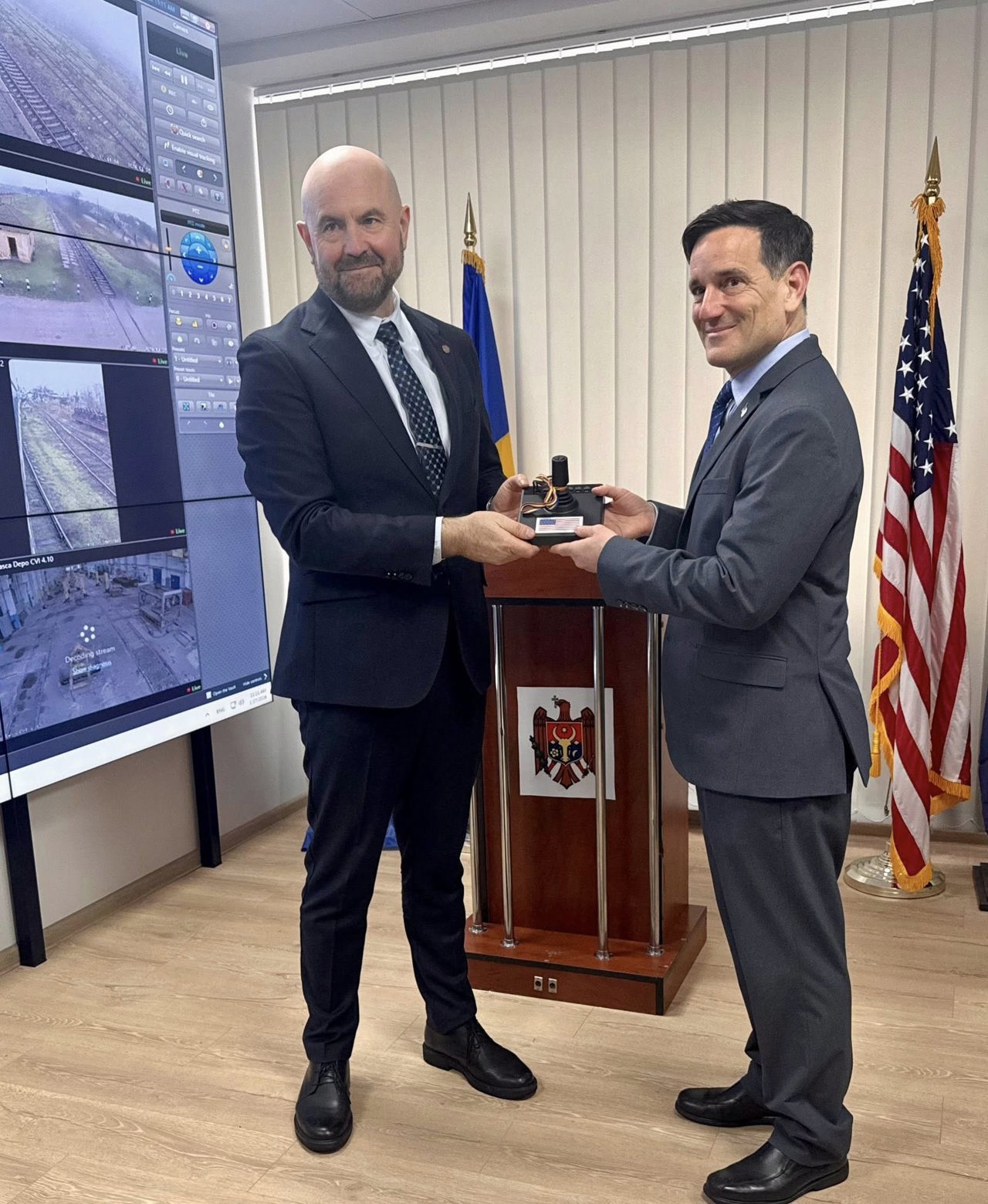
During the official handover, U.S. Chargé d’Affaires Nick Pietrowicz presented CFM General Director Serghei Cotelnic with a symbolic control device, signifying the operational transfer to the Moldovan authorities. The ceremony was attended by Vice Prime Minister Vladimir Bolea, highlighting the project's high-level political significance.
Technical capabilities and operational efficiency
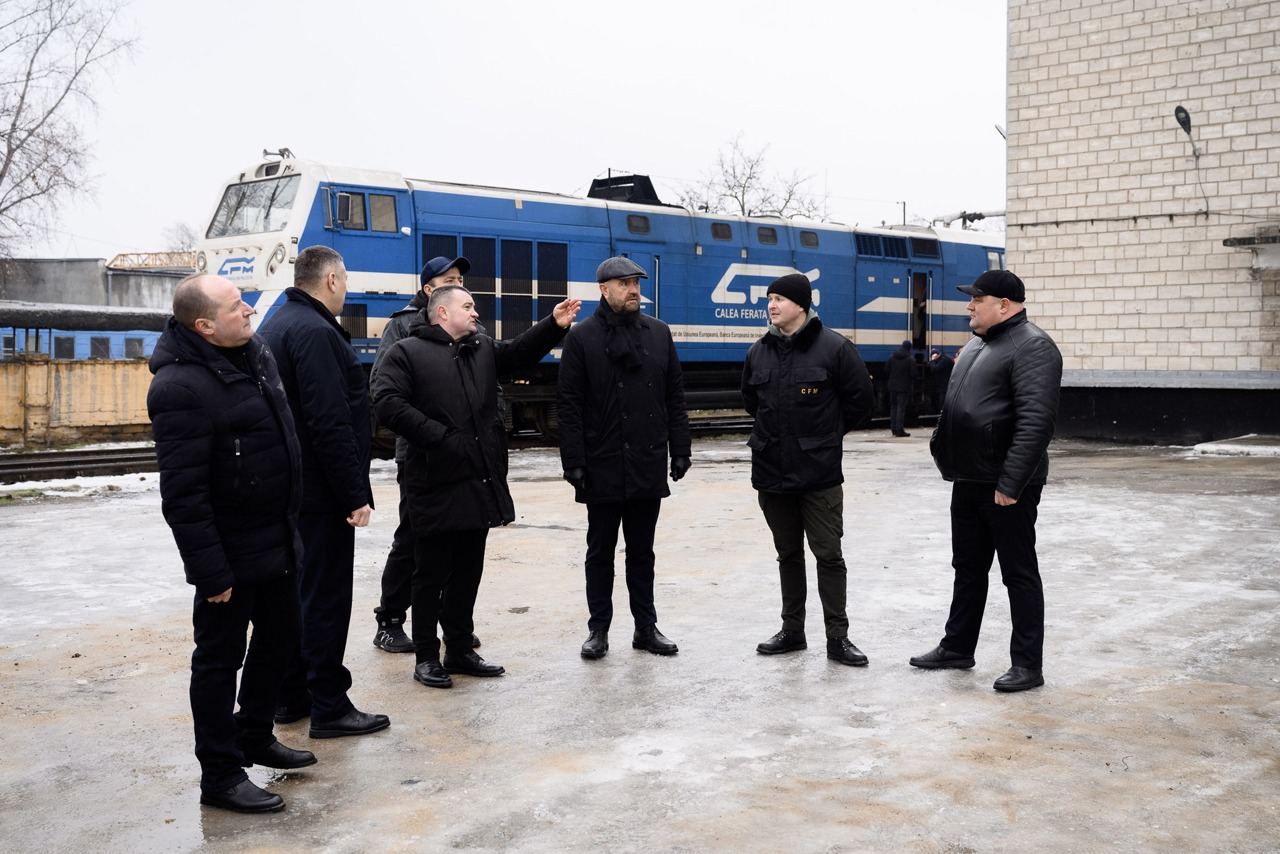
The center provides real-time oversight of the national railway network through live video feeds from locomotives, depots, and strategic junction points. The hardware suite includes thermal sensors, GPS fleet tracking, and modernized lighting systems along key corridors.
Beyond security, the system has already proven its economic viability. According to the Ministry of Infrastructure and Regional Development, the implementation led to the saving of over 14 tons of diesel fuel in December alone by optimizing locomotive preheating cycles during sub-zero temperatures.
National Security Alignment
This initiative aligns Moldova’s railway security with European standards, ensuring the seamless flow of regional logistics. By curbing operational waste and mitigating security threats, the center serves as a cornerstone for Moldova’s broader ambition to become a reliable logistical hub in Eastern Europe.
Translation by Iurie Tataru