Bundestag Speaker warns migration is vital for German economic resilience
Bärbel Bas, Speaker of the Bundestag, issued a stark warning at a labor migration conference, stating that Europe's powerhouse cannot sustain its economy without a significant influx of foreign talent.
The labor shortage has moved beyond theoretical risk into a structural crisis. "We need visionaries, machinery operators, and production specialists," Bas noted, emphasizing that domestic resources are now exhausted.
The skills mismatch
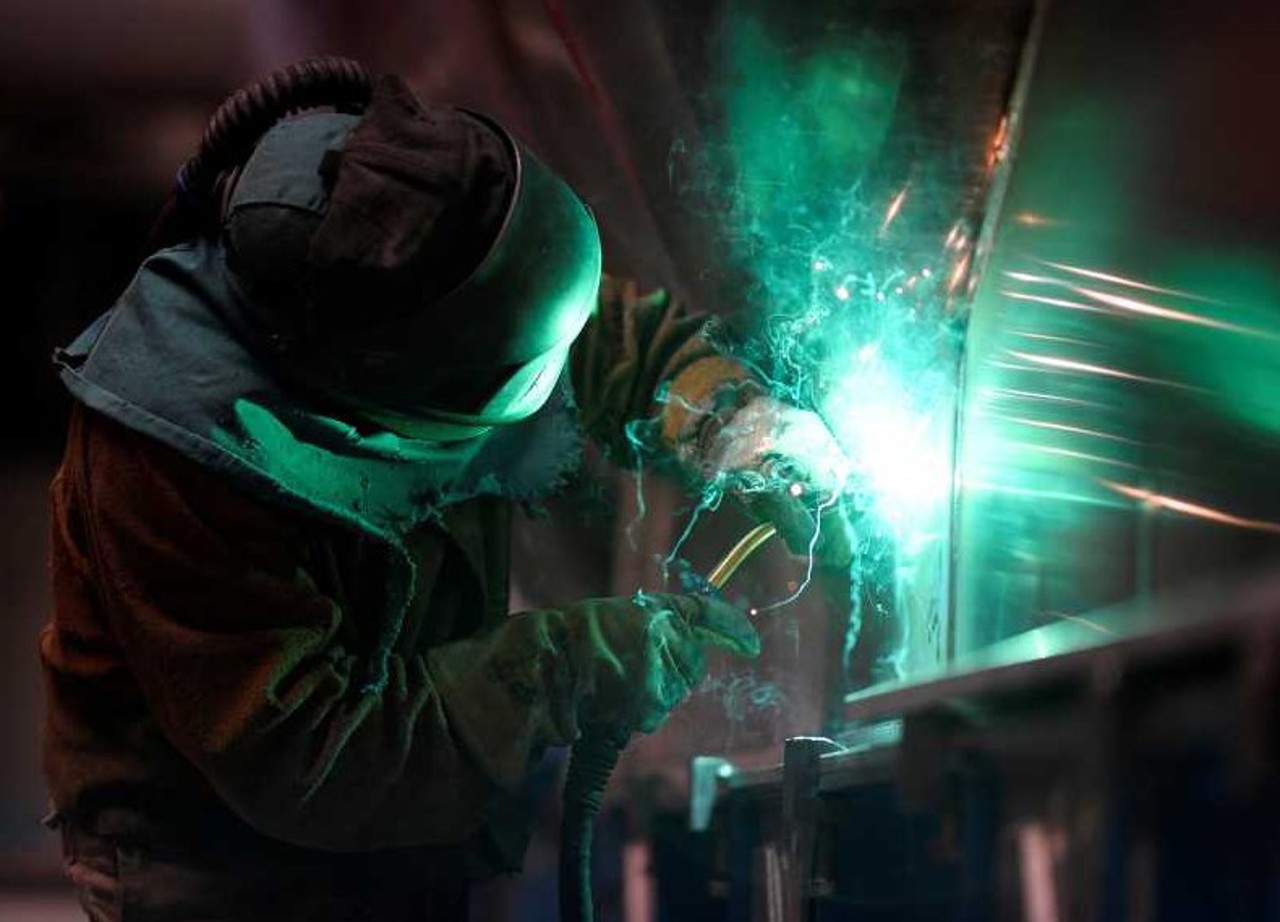
Despite having three million registered unemployed citizens, Germany cannot fill its current vacancies. Bas illustrated this friction through a geographical and professional divide: "A welder in Kiel cannot simply replace a nurse in Konstanz."
This mismatch highlights that the crisis is not about the number of people, but the lack of specific expertise in high-demand regions.
Shifting demographics
Data from the Federal Employment Agency reveals a rapid transformation of the German workplace. In 2015, only one in ten employees was a foreign national; today, that figure has risen to 17%.
While the number of EU workers in Germany saw a slight dip of 30,000 in 2023, the non-EU workforce surged to 3.29 million. This trend underscores Germany’s growing reliance on global rather than just regional migration.
Economic stability at stake
Labor expert Daniel Terzenbach argues that migration is no longer a choice but a "prerequisite" for national prosperity. He warned that ignoring this reality would lead to a direct decline in Germany's GDP and social stability.
"We cannot outrun this reality," Terzenbach concluded, calling for streamlined pathways for skilled professionals from outside the European Union to secure the country's industrial future.
Translation by Iurie Tataru