Berlin signals gradual path for Ukraine as Chancellor Merz tempers expectations for rapid EU entry
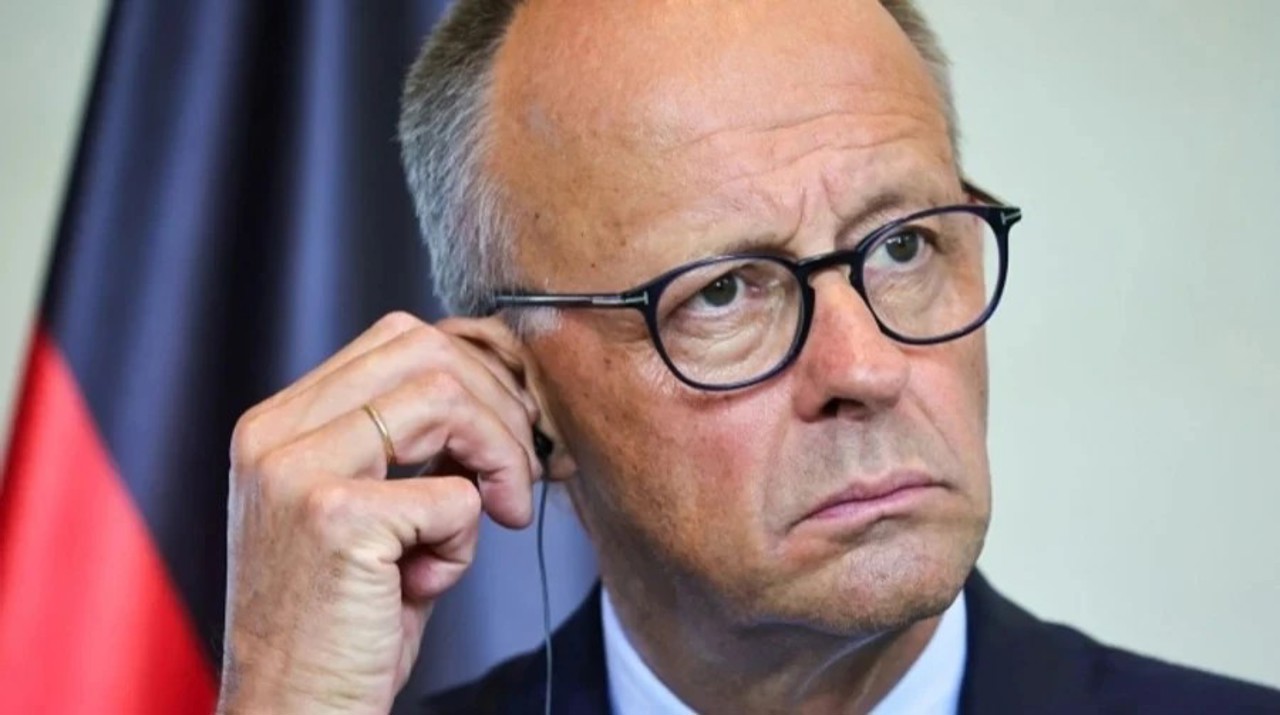
German Chancellor Friedrich Merz has clarified that Ukraine’s accession to the European Union remains unattainable in the immediate term. He specifically ruled out the possibility of integration by January 1, 2027.
Speaking in Berlin on Wednesday, January 28, Merz emphasized that any candidate must first satisfy the Copenhagen criteria. This formal process typically requires several years of institutional and legal alignment.
The Chancellor noted that while a rapid entry is not feasible, Germany supports a "gradual rapprochement." This strategy aims to bring Ukraine closer to the bloc through phased integration steps rather than an immediate full membership.
Conflicting timelines and security
These remarks follow President Volodymyr Zelenskyy’s recent call for a 2027 accession deadline. Zelenskyy described EU membership as a primary security guarantee for both Ukraine and the wider European continent.
Foreign Minister Johann Wadephul supported a realistic perspective for Kyiv, stating that a durable peace architecture in Europe requires Ukraine to prevail against Russian aggression. He argued that a clear EU path serves German interests.
Regional implications for Moldova
Ukraine officially began accession negotiations in 2024, despite ongoing hurdles from Hungary. Budapest continues to block specific negotiation chapters, citing economic and security concerns.
For the Republic of Moldova, this delay carries significant weight. Although Chisinau does not face the same diplomatic blockades, EU officials continue to treat Moldova’s candidacy as coupled with Ukraine’s progress.
Translation by Iurie Tataru