Government of Moldova curbs fuel exports and secures energy reserves to preempt global supply crisis
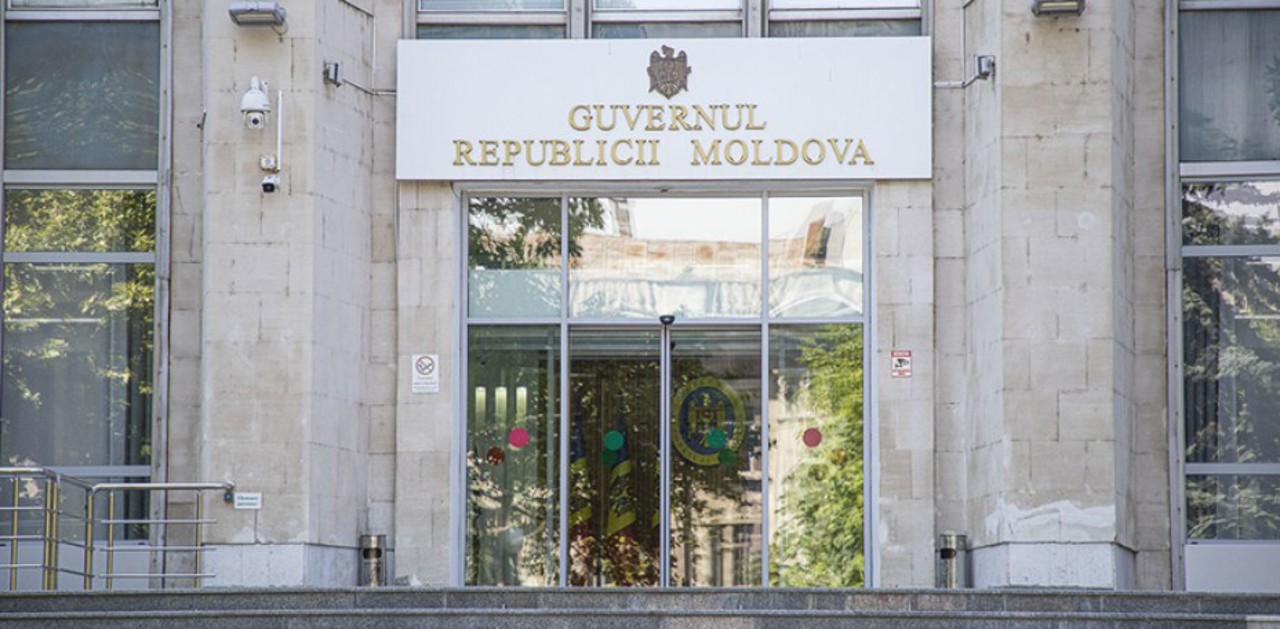
The Government of Moldova has declared a 60-day national state of emergency in the energy sector, effective March 4. The proactive measure aims to shield the domestic market from escalating global price volatility and regional infrastructure threats.
Prime Minister Alexandru Munteanu cited the conflict in the Middle East and the resulting 20% surge in Brent crude—now exceeding $85 (approx. 1,660 MDL) per barrel—as primary drivers for the intervention. He warned of high uncertainty and the potential for further escalation affecting international supply routes.
Strategic export restrictions and fuel security
Under the new emergency protocols, fuel exports from the Giurgiulești International Free Port (PILG) are strictly regulated. The Customs Service will only authorize outbound shipments of standard petroleum products if domestic reserves remain above critical thresholds: 8,000 tons for gasoline and 25,000 tons for diesel.
To expedite supply, the Customs Service has established dedicated "green corridors" for fuel imports. Simultaneously, the Material Reserves Agency has been directed to fill state stockpiles to maximum capacity to prevent any potential national deficit.
Grid stability and electricity management
The national grid operator, Moldelectrica, has been mandated to suspend electricity exports during peak demand hours on workdays. Power producers without prior contractual obligations must now prioritize the domestic market to ensure uninterrupted service for households and critical infrastructure.
Furthermore, the government introduced new balancing rules for the electrical system. Energy entities failing to comply with the emergency directives will no longer receive compensation for energy surpluses, forcing alignment with national stability goals.
Regional risks and resilience
Sergiu Diaconu, head of the National Crisis Management Center (CNMC), emphasized that the alert is a preemptive response to the degradation of energy infrastructure in neighboring Ukraine. Repeated attacks on regional transit capacities have significantly reduced the system’s safety margins.
The Ministry of Energy will lead the crisis response in coordination with the National Energy Regulatory Agency (ANRE). These authorities will provide continuous public updates as the situation evolves, ensuring transparency throughout the 60-day emergency period.
Translation by Iurie Tataru