Geopolitics vs. logistics: the strategic battle for the EUCA seat
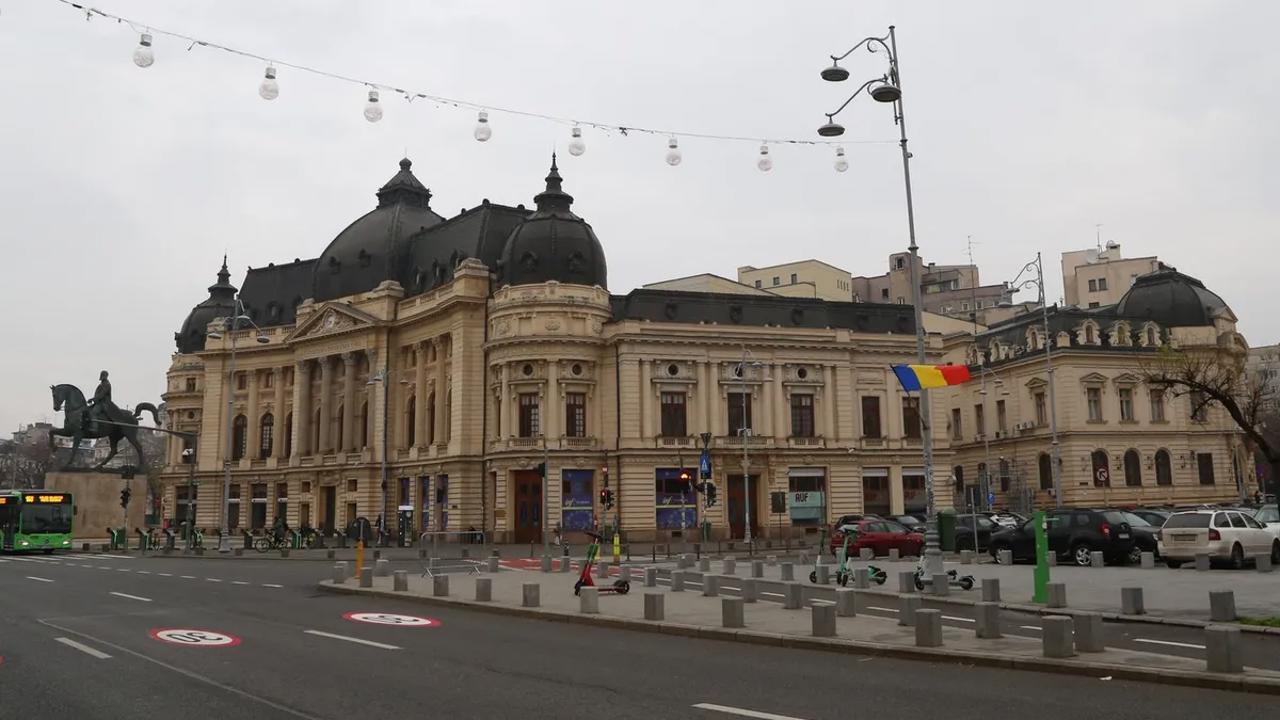
The European Parliament officially launched the selection process for the future headquarters of the EU Customs Authority (EUCA) on Wednesday, January 28. Nine candidate cities are currently vying for the position: Bucharest, The Hague, Liège, Lille, Málaga, Porto, Rome, Warsaw, and Zagreb.
The establishment of EUCA in 2028 marks a decisive shift in EU policy, aiming to replace the current patchwork of 27 national authorities with a unified regulator. This move is part of a broader reform of the EU Customs Code, requiring a joint agreement between the European Parliament and the EU Council.
Beyond institutional prestige, the host city stands to gain significant economic momentum. The arrival of hundreds of international officials will create a robust administrative and economic ecosystem, similar to the impact of the ECB in Frankfurt or NATO in Brussels.
Bucharest anchors its bid in its strategic role as a guardian of the EU’s external borders. Through the ports of Constanța and Sulina, Romania already manages intense maritime customs activities, a position further strengthened by its proximity to Ukraine and its future integration into the Union.
However, the Romanian capital faces a high-stakes challenge from established logistical hubs. Liège, for instance, processes nearly 40% of Europe’s e-commerce via its cargo airport—the fifth largest in Europe. The Belgian city also boasts a specialized customs training program recognized by the European Commission.
Financial incentives are also shaping the competition. Italy has reportedly proposed a comprehensive package for Rome, offering a dedicated facility free of charge with all operational costs covered indefinitely. The final decision will balance these logistical advantages against the geopolitical necessity of strengthening the EU’s Eastern flank.
Translation by Iurie Tataru