US-Iran tensions: Experts warn of unprecedented human cost and IRGC coup risk
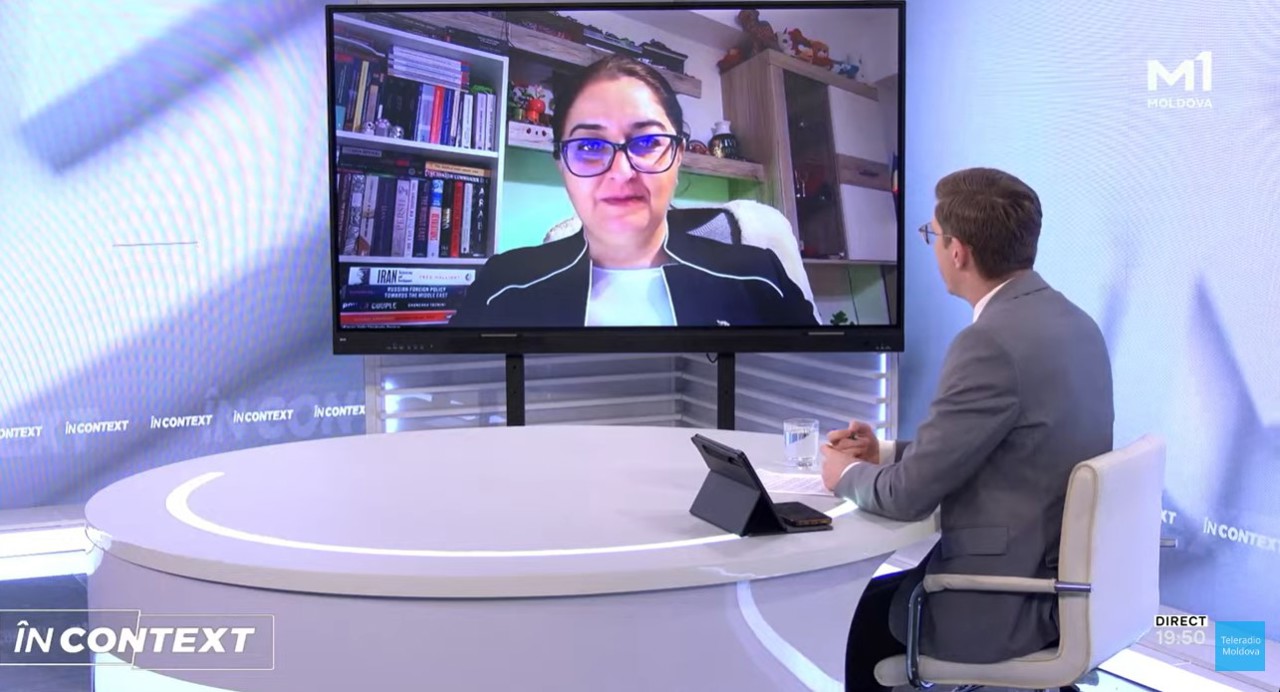
A military conflict between the United States and Iran would yield consequences far more devastating than recent wars in the Middle East, warned international relations expert Ioana Constantin-Bercean. Speaking on Moldova 1’s "ÎN CONTEXT" on January 29, she emphasized Iran’s pivotal role in the global hierarchy, noting that any escalation would likely draw direct support from China and Russia.
Bercean argued that a war in Iran would lack the "best practice" models of previous campaigns in Iraq or Afghanistan, predicting a human toll surpassing any prior regional conflict. She noted that a potential U.S. strike under the Trump administration would likely focus on forcing a nuclear deal compromise rather than civil rights, warning that such high-pressure tactics often invite "strategic errors."
The expert also highlighted a disconnect in Western strategy, specifically citing U.S. Secretary of State Marco Rubio’s rhetoric. While sanctions aim to trigger popular revolts, Bercean pointed out that the Islamic Republic is increasingly controlled by a military entity rather than a purely religious one. The Islamic Revolutionary Guard Corps (IRGC) holds enough power to initiate a coup, potentially hardening the regime further.
The Asian security axis
Iran has evolved into a strategic linchpin for the Russian Federation, though Bercean identified China as Tehran's primary pillar of support. This alliance is anchored in energy security; Iran, alongside Qatar, manages the world’s largest gas field and remains a top-tier oil exporter.
Tensions have escalated following Donald Trump’s threats of military strikes if Tehran refuses a new nuclear agreement. While Iranian authorities expressed a guarded willingness to negotiate, they warned that any aggression would trigger a dual response targeting both the United States and Israel.
The nuclear threshold
Intelligence reports from CNN and Reuters suggest Iran currently possesses over 440 kilograms of highly enriched uranium—a quantity sufficient for several nuclear warheads. This technical advancement, coupled with restricted access for IAEA inspectors, has placed the international community on high alert.
These geopolitical risks coincide with domestic instability within Iran. Although previous protests were met with violent crackdowns, the current diplomatic focus remains strictly on the nuclear file, leaving the internal situation volatile and unpredictable.
Translation by Iurie Tataru