Day of Remembrance and Gratitude | 34 years since the beginning of the Nistru armed conflict
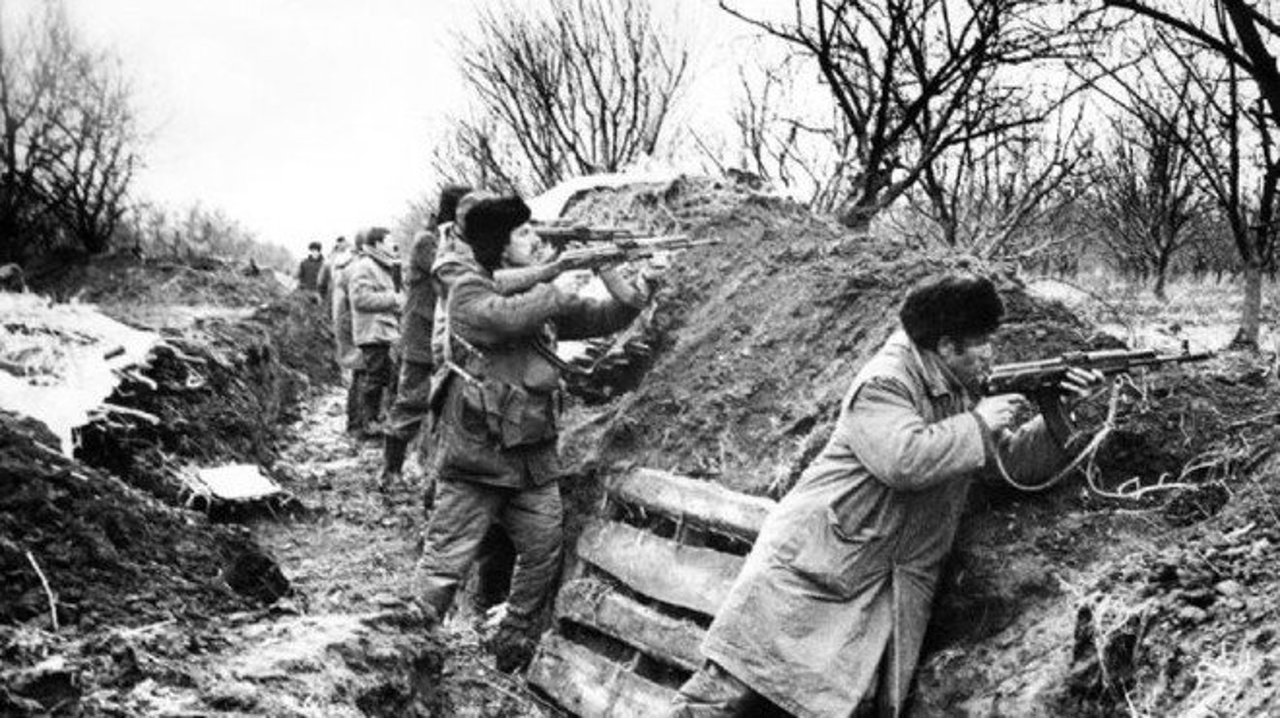
On March 2, 2026, it will be 34 years since the fighting began in 1992 to defend the territorial integrity and independence of the Republic of Moldova. Approximately 30,000 soldiers, police officers, and volunteers participated in the armed conflict, resulting in over 300 fatalities, with many others still unaccounted for. Despite numerous negotiations in various formats over the years, the Transnistrian conflict remains unresolved.
Official program of events dedicated to the Day of Memory and Gratitude
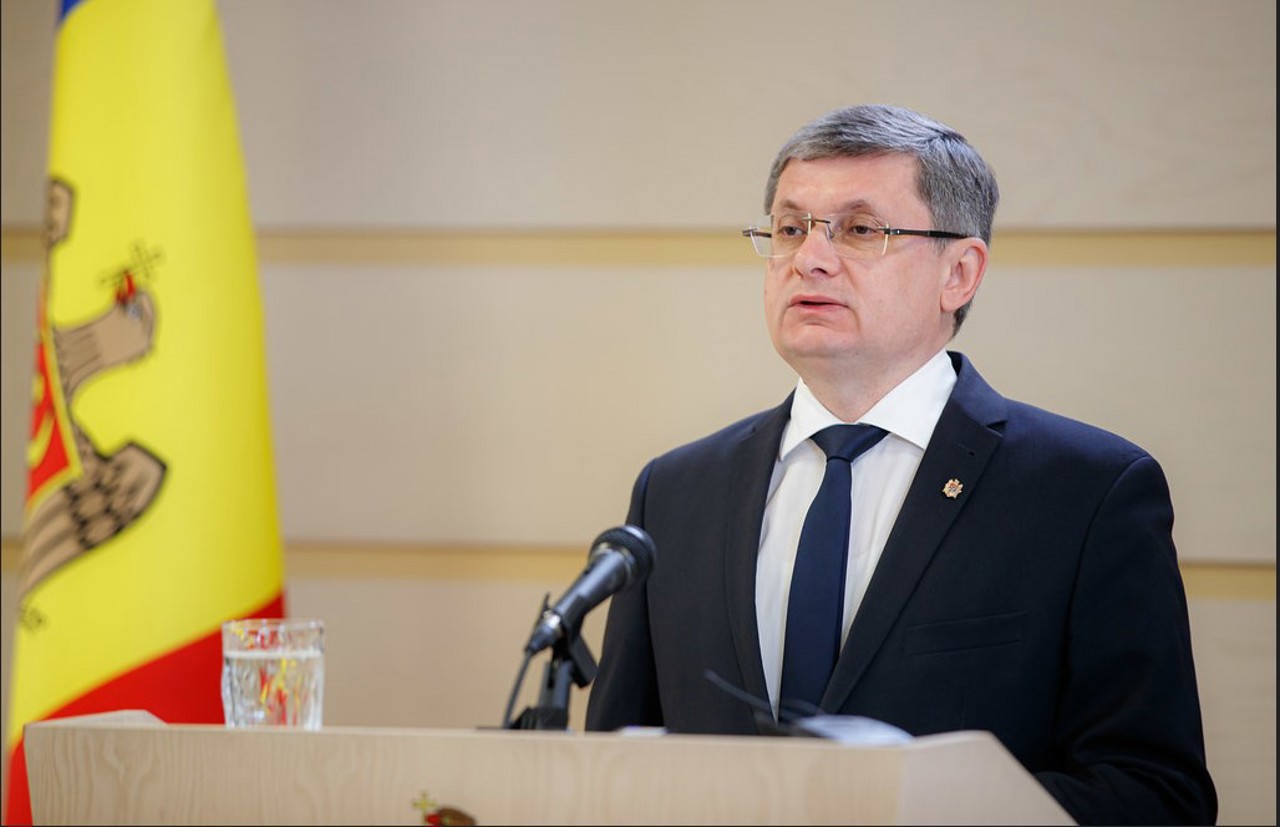
Activities to commemorate the heroes who fell in the 1992 Nistru War will begin on March 2 at 10:00 AM with a flower-laying ceremony at the monument to Stephen the Great and Saint. The event will be attended by President Maia Sandu, Speaker of the Parliament Igor Grosu, Prime Minister Alexandru Munteanu, veterans, and representatives of state institutions.
At 10:20 AM, the three leaders will join the veterans of the Nistru War for the March of Remembrance. The procession will form in the Great National Assembly Square and proceed to the "Maica Îndurerată" monument.
Starting at 11:10 AM at the "Maica Îndurerată," the events will continue with a mourning rally. At 11:30 AM, a national minute of silence will be observed, followed by the laying of flowers at the monument.
After the Republic of Moldova declared independence on August 27, 1991, relations between Chisinau and Tiraspol deteriorated significantly. The Transnistrian separatists established a substantial military force, composed of the Republican Guard, militia, territorial rescue detachments, labor regiments, and Cossacks. These troops, estimated to number over 20,000, were armed, equipped, and trained by the 14th Army of the Russian Federation stationed in the region. At that time, the Republic of Moldova did not have its own army.
The first battles between the forces controlled by the authorities in Chisinau and the separatist troops occurred on December 13, 1991, when the Transnistrian guardsmen attacked near the Dubasari Bridge. Later, on March 2, 1992, after the flag of the Republic of Moldova was raised at the United Nations headquarters in New York, new confrontations ensued between the separatists and representatives of the law enforcement agencies in Chisinau. The fighting continued until March 24, 1992, when a ceasefire agreement was signed, and a prisoner exchange took place.
The war officially ended on July 21, 1992, when the presidents of Russia, Boris Yeltsin, and the Republic of Moldova, Mircea Snegur, signed a Ceasefire Agreement in Moscow, in the presence of the separatist leader, Igor Smirnov.
In 2005, the 5+2 negotiation format was initiated to address the Transnistrian dispute, with Russia, Ukraine, and the Organization for Security and Cooperation in Europe serving as "mediators," while the European Union and the United States acted as "observers." Chisinau and Tiraspol held the status of “parties in conflict” during these negotiations.
In July 2002, the OSCE, alongside Russian and Ukrainian mediators, signed a document outlining the premises for the reunification of Moldova into a federation. This so-called Kozak Plan included provisions for the stationing of Russian troops in the Transnistrian region for an additional 20 years, prompting the authorities in Chisinau to reject the plan following street protests.
On June 22, 2018, the United Nations General Assembly approved a draft resolution proposed by the Republic of Moldova for the “complete and unconditional withdrawal of foreign military forces from the territory of the Republic of Moldova.” However, despite Russia's obligations assumed at the OSCE Summits in 1999 and 2001, Russian troops remain stationed on Moldovan territory. Currently, due to the war initiated by the Russian Federation in Ukraine, this negotiation format is no longer viable, as the representative of Kyiv refuses to engage in discussions with the representative of Moscow. Consequently, political representatives from Chisinau and Tiraspol met in the 1+1 format.
We remind you that, after a break of over a year, Chisinau and Tiraspol resumed negotiations in the 1+1 format on Thursday, February 26. Deputy Prime Minister for Reintegration Valeriu Chiveri met with the separatist regime's envoy, Ignatiev, at the OSCE headquarters in Tiraspol. The agenda included discussions on free movement, access for journalists and human rights defenders on the left bank, and the need to remove posts that restrict movement. According to Deputy Prime Minister Chiveri, human rights issues generated the most heated discussions. The next meeting is scheduled to take place before Easter in Râbnița.