Orthodox priest challenges believers: Fasting is discipline, not starvation
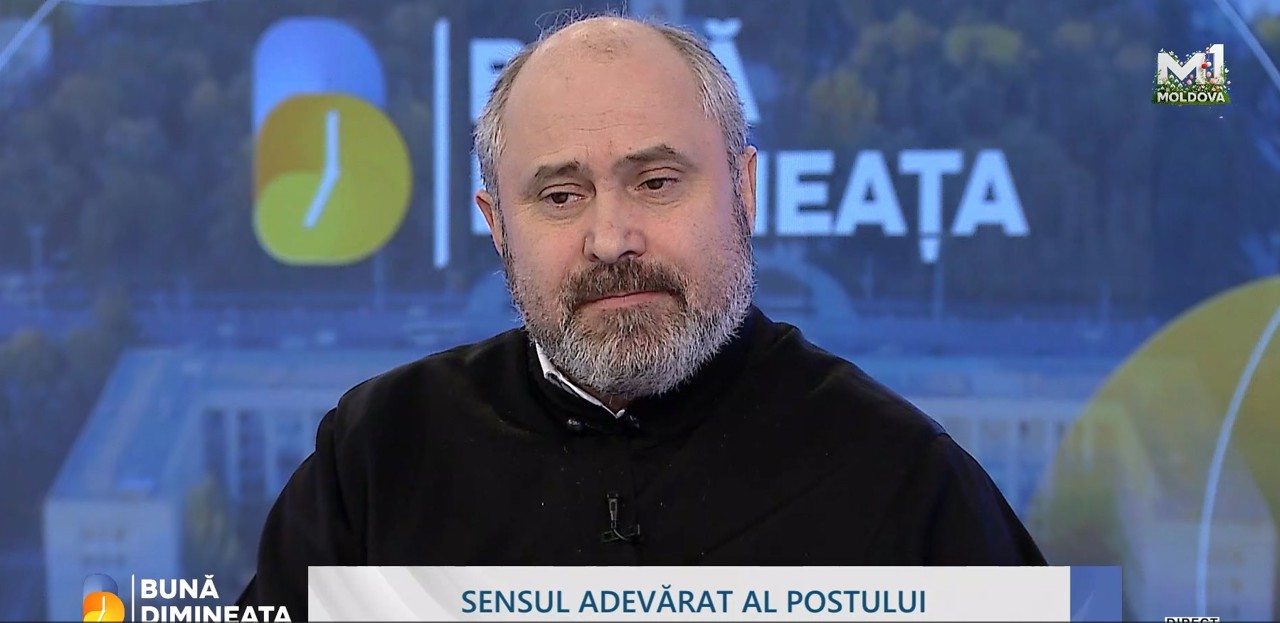
The Great Lent, which commenced on February 23 and leads to the Easter celebration on April 12, serves as a rigorous period for fortifying the human will and moral character. Viorel Cojocaru, the parish priest of the "Inimi Tăcute" Church, emphasized during a Moldova 1 broadcast that true fasting prioritizes the soul's elevation over physical abstinence.
Father Cojocaru noted that while society often mirrors fasting through vegan or vegetarian trends, spiritual fasting is far more demanding. It requires a deliberate withdrawal from negative thoughts and harmful actions. "Fasting of the mind and deeds is the most difficult," the priest stated, urging believers to focus on curbing judgment rather than just restricting calories.
Health and the ethics of sacrifice
Addressing those with medical conditions, the parish priest clarified that the Church does not demand physical self-destruction. He insisted that those with health issues should not engage in strict dietary restrictions if it leaves them powerless. The Church often grants dispensations, as the ultimate goal is not to "offend the body" but to sharpen the individual's moral faculty.
A test of human agency
The priest illustrated the essence of fasting through the lens of daily choice, such as resisting the impulse to purchase certain foods at a market. This exercise transforms a simple diet into a spiritual practice. Unlike a secular diet that remains grounded in physical health, Cojocaru concluded that Orthodox fasting must be given "two wings"—prayer and charity—to transcend the earthly realm.
Translation by Iurie Tataru