War’s toxic wake: Moldova tests resilience amid Dniester spill
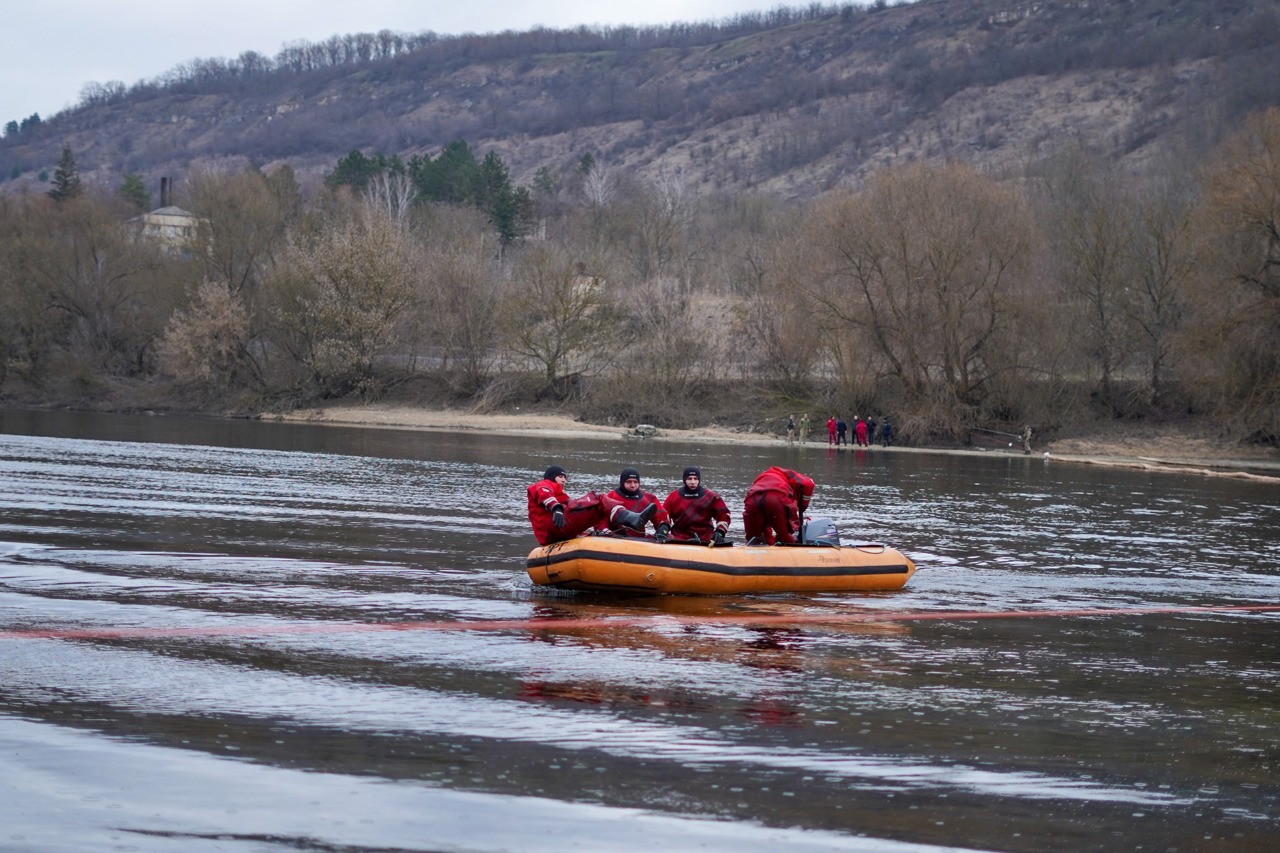
A major pollution crisis on the Dniester River has tested Moldova’s emergency response after Russian drone strikes on Ukrainian energy infrastructure caused a massive oil spill.
The contamination began following attacks on the Novodnestrovsk hydroelectric plant on the night of 6 March. Explosions released large quantities of transformer oil and petroleum products into the river, which provides drinking water for millions in the region.
"This was a significant test for Moldova, as we have not faced pollution of this scale in modern history," Environment Minister Gheorghe Hajder told PRO TV. He noted that despite a lack of specific equipment, state institutions mobilised rapidly to limit the impact.
Emergency response and regional support
The pollution plume reached Moldova on 10 March near the northern village of Naslavcea. Laboratory tests later confirmed concentrations of hydrocarbons far exceeding safety limits. While initial Ukrainian estimates suggested 1.5 tonnes of oil leaked, Moldovan authorities believe the actual volume is significantly higher.
In response, the government declared a state of emergency. The General Inspectorate for Emergency Situations and the National Army have since delivered dozens of tonnes of water daily to affected northern districts.
Romania and the European Union have provided critical assistance. Romanian experts deployed specialized absorbent booms along the river, while the EU provided satellite imagery to track the spill's movement.
Geopolitical and legal fallout
The crisis has further strained relations between Chisinau and Moscow. President Maia Sandu stated that Russia "bears full responsibility" for the ecological disaster. The Moldovan Ministry of Foreign Affairs subsequently summoned the Russian ambassador to deliver a formal note of protest.
Meanwhile, the Prosecutor General’s Office has opened a criminal investigation. Prosecutors are assessing the environmental damage and potential long-term risks to public health.
Minister Hajder admitted the crisis exposed vulnerabilities in Moldova’s preparedness. However, he committed to establishing new strategic reserves of equipment to ensure the country can manage future transboundary environmental threats more effectively.
Translation by Iurie Tataru