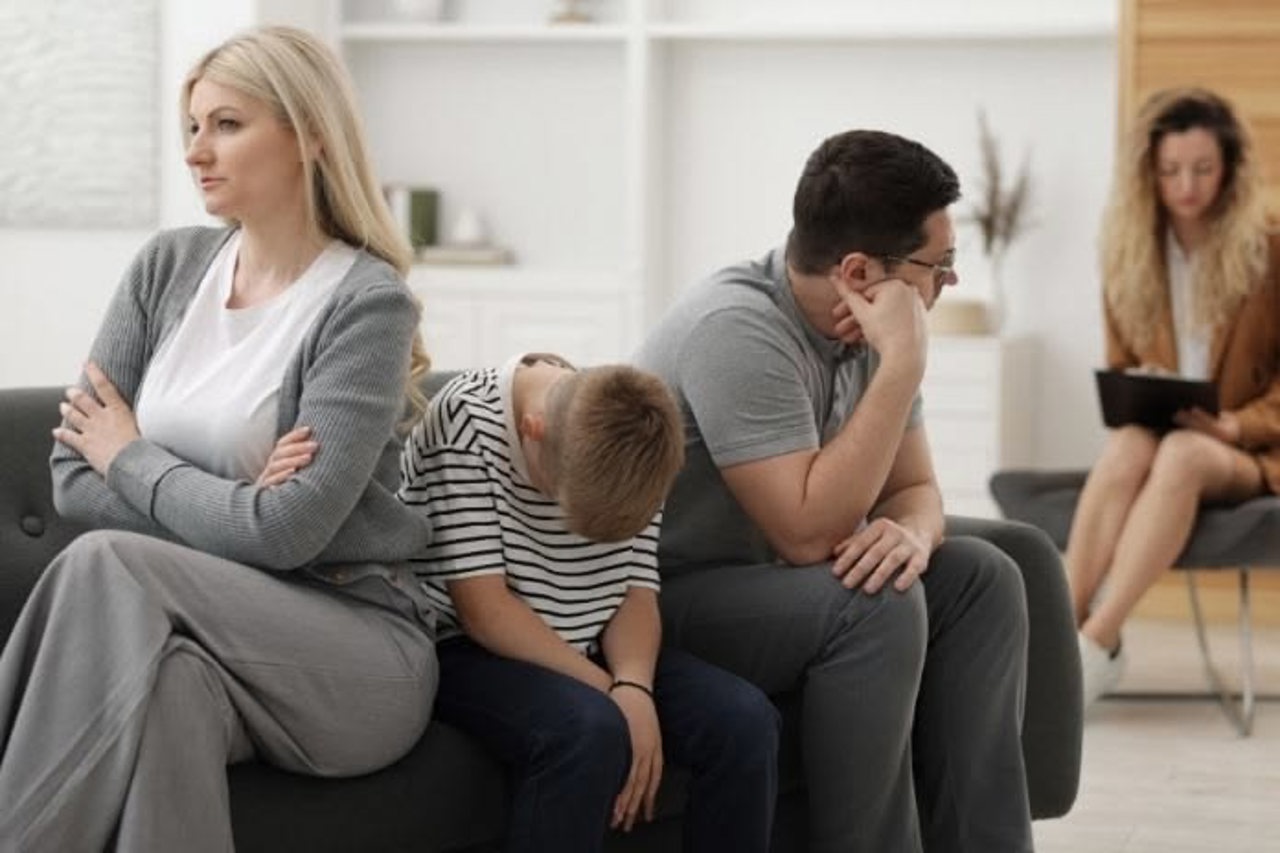
AUTISM: 545 children tested last year; 228 entered state-supported rehabilitation programs
Early diagnosis and increased social awareness can significantly enhance the future of children with autism in the Republic of Moldova. When parents recognize the importance of an early diagnosis, it allows their children to access therapies, educational support, and social integration. As society grows in understanding, it will adapt to better accommodate the special needs of these children, experts say.
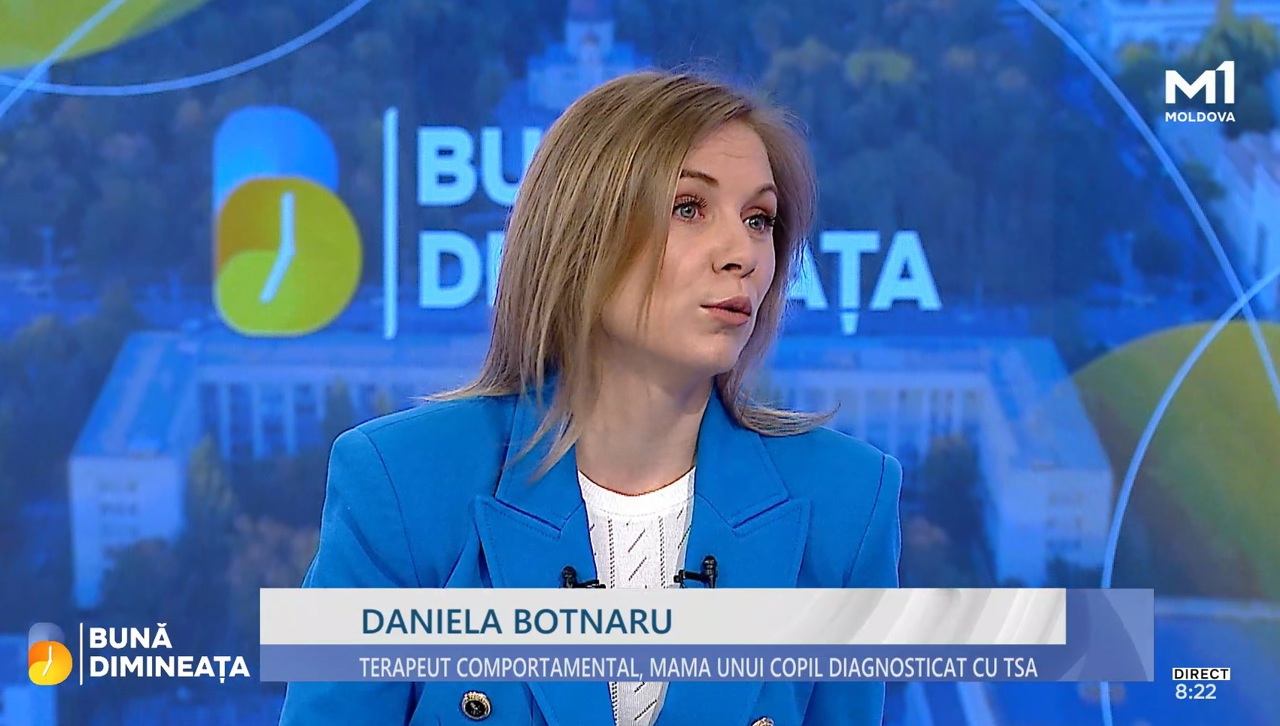
"At a young age, children can be diagnosed through screening, which is a valuable test for autism conducted between 18 and 24 months by a family doctor," said Daniela Botnaru, a behavioral therapist and mother of a child with autism, during the show "Bună Dimineața" on Moldova 1.
Botnaru emphasized that parents' refusal to seek a diagnosis can have significant consequences for their child.
"If the child does not receive an established diagnosis, he will miss out on state support, an individualized educational plan, a supportive framework, and a tailored approach to help him cope with the educational process," she explained.
Furthermore, Botnaru advised parents not to try to make their child "like the others," but instead to help him "be integrated, accepted, and develop the skills to manage independently, as these are essential for his future success in life."
Accepting a diagnosis brings tangible benefits: children may qualify for free state therapies, along with support for their parents.
“If parents agree to establish a diagnosis for their child, they can benefit from free therapies offered by the ministry and the state. However, such resources are limited. Naturally, parents must also take on considerable financial responsibilities for their child's participation in various behavioral therapies, speech therapy, and more,” stated Daniela Botnaru.
Nevertheless, according to the therapist, awareness and acceptance pose the greatest challenges for parents, particularly mothers.
“Mothers often experience anxiety and depression and may need additional support. If we consulted with a doctor, it could simplify our lives, I believe,” Botnaru pointed out.
Educational inclusion: "Let's see what the child likes"
The social integration of children with autism remains a challenge for both parents and teachers. Daniela Botnaru, whose child is in first grade, found that adjusting to an educational environment was her biggest challenge as a parent.
“I didn't have prior experience, so I had to create a clear vision and a concrete plan to effectively support my child,” she shared with a public television station.
She appreciates the support from teachers and institutions that promote inclusion. She believes that adapting the educational environment is essential.
“Not only does the child find it difficult to adjust, but the environment must also adapt to the child. It should minimize stimuli that could disturb him and facilitate the educational process, helping children understand and accept their surroundings,” the therapist explained.
Botnaru highlighted the importance of training support staff and guiding the child towards activities that align with their interests and abilities.
“We must observe the child’s preferences to see what they enjoy. Typically, there are certain areas where a child excels. One may prefer painting, while another is drawn to music. We cannot force a child to learn something that is beyond their capacity,” Botnaru said.
Specially designed cabin at Parliament
On International Autism Awareness Day, celebrated annually on April 2, a unique social event was held at Parliament, where participants could navigate a sensory maze. The specially designed cabin featured headphones, glasses, and sensory devices, allowing visitors to experience sensations similar to those felt by a child with autism.
“We were invited to wear headphones, weights on our hands, and special glasses for a few minutes to understand what life might be like for a child or adult with autism. Beyond this experience, we should remember our responsibility to build better services, support these families, and create a society where every child, regardless of how they perceive the world, has their rightful place,” said MP Ludmila Adamciuc.
One participant shared, “I felt panic, helplessness, and the need for assistance and companionship.”
“When there’s a ringing in your ears, it becomes difficult to think and act. It's truly challenging. We must pay more attention to atypical children: they are not sick or weak; they are simply different. We need to understand them better and adapt to their needs, including educational and behavioral requirements. I wish more people, including civil servants responsible for education, would engage in such experiences so they can tailor the curriculum to the needs of neurologically atypical children,” said another person.
“What I felt was incredible and extremely complicated for me. My message is to be tolerant, strive to be better, be more understanding, and support parents, who often feel isolated on this journey. I urge us all to show solidarity and support,” another participant added.
President Maia Sandu also called for solidarity via Facebook.
“I urge you to be more patient and attentive, in both your gestures and words. There are various ways of communicating, learning, and feeling, each telling a different story. By offering understanding and support, everyone can find their place and grow at their own pace,” the president stated in her message.
Almost 550 children tested in 2025 at the Specialised Centre
A diagnostic center for autism spectrum disorders (ASD) operates in the Republic of Moldova as part of the Republican Center for Rehabilitation for Children. This center began its operations on September 1, 2024, with the aim of providing free access to specialized services for children with ASD. These services include diagnosis, behavioral therapy, and support for parents.
The center's team comprises a psychologist, three psychiatrists, a psychopedagogue, three speech therapists, a nurse, a doctor specializing in ASD, and two physiotherapists.
In 2025, a total of 545 ADOS-2 tests were conducted at the center. These tests were administered based on the children's age and developmental level. The children tested were aged between 1 and 17 years, with 340 in the 0-5-year age group and 205 in the 5-17-year age group.
The Ministry of Health reports that, following these assessments, 228 children were enrolled in the rehabilitation program. They received multidisciplinary interventions according to individualized plans, which included one to four therapeutic courses based on their needs and available resources. In contrast, 317 children were not included in the program due to parental decisions, although they underwent complete assessments.
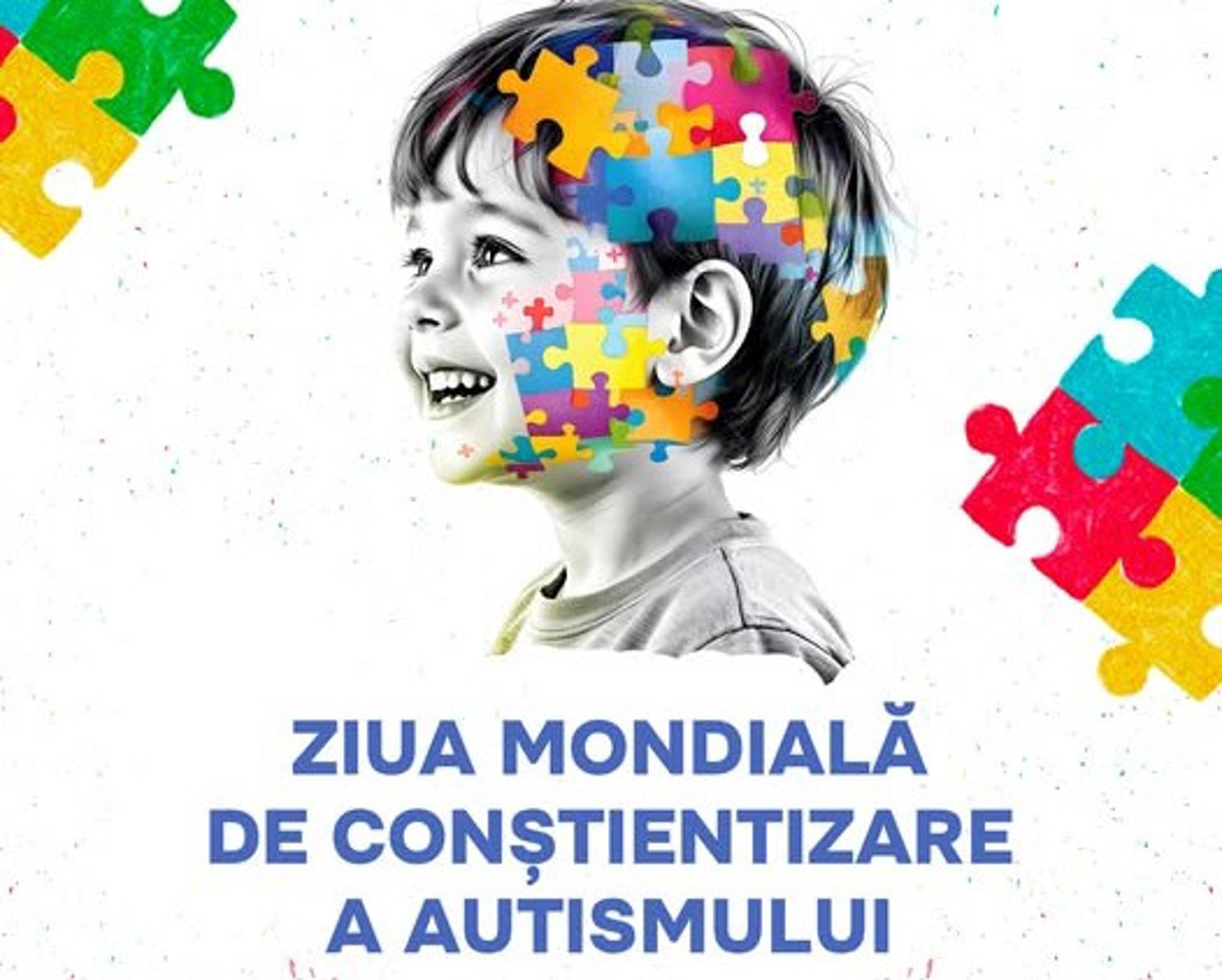
The symbol for Autism Awareness Day is a puzzle piece, representing the uniqueness and diversity of children and young people with autism spectrum disorders.