Cristina Gherasimov: Justice progress crucial for final EU accession talks
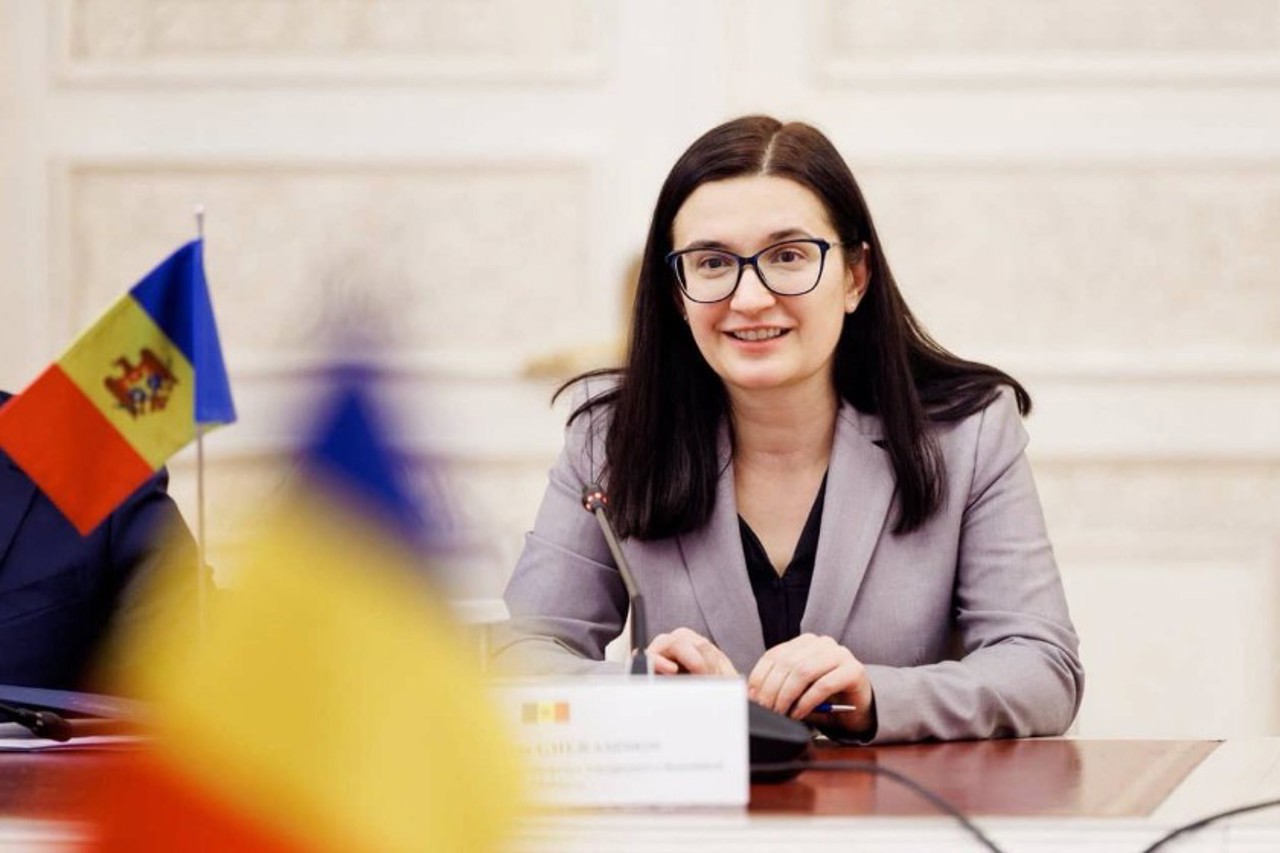
The Republic of Moldova will not be able to start discussions on the final stages of negotiations unless there is concrete progress in several key areas, said Cristina Gherasimov, the Deputy Prime Minister for European Integration . These areas include justice reform, strengthening anti-corruption institutions, combating organized crime, and aligning with European policies on migration and asylum.
According to Cristina Gherasimov, despite the rapid progress made in recent years, the Republic of Moldova still has crucial stages ahead in its journey towards European Union (EU) accession.
"These priority reforms focus on several key sectors. We need to show significant progress in reforming the judiciary, strengthening anti-corruption institutions, combating organized crime, drug trafficking, and addressing issues related to the European Union's asylum and migration policies. These criteria, including fundamental rights, are essential to the accession process. Without demonstrating real progress in these areas, we will not be able to begin discussions on concluding negotiations with the European Union," stated Gherasimov during the program "La 360 de grade" on Radio Moldova.
The authorities plan to accelerate the adoption of European legislation and modernize state institutions in the coming years to prepare adequately for EU accession, Gherasimov added.
"We have a lot of work ahead of us, as we started from a challenging position. We need to make monumental efforts to address each negotiation chapter, align with European standards, modernize our country, and bring Europe closer to our citizens in preparation for accession. Practically speaking, this means that within the next two to three years, we will modernize the country by adopting relevant European legislation and standards," said the Deputy Prime Minister for European Integration.
We remind you that on March 17, the Republic of Moldova reached a new milestone in the accession process by launching technical negotiations for the last three groups of accession chapters: Competitiveness and Inclusive Growth, Green Agenda and Connectivity, and Resources, Agriculture and Cohesion.
While the Republic of Moldova is making significant strides, the official opening of negotiations hinges on the Council's member states reaching consensus, especially since Hungary opposes Ukraine's accession to the European Union.
In this context, EU Enlargement Commissioner Marta Kos said for Teleradio-Moldova that the accession processes for both the Republic of Moldova and Ukraine do not follow a fixed timeline. They are based on the merits of each country and their achievements in key areas.