“First House” will be revised

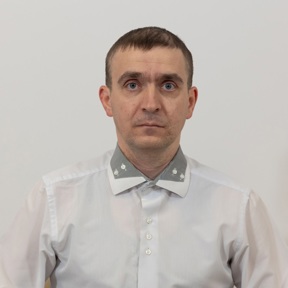
The “First House” program is unsustainable in its current form and may be replaced with a new housing support mechanism. Finance Minister Andrian Gavriliță stated that the program is generating high costs for the budget and contributing to increased prices in the real estate market.
"With a policy like the "First House" program, the goal is to increase young families' access to housing. To achieve this objective, we can implement several types of interventions on both the demand and supply sides. The "First House" program traditionally helps citizens afford their homes more easily. My colleagues in Parliament are proposing an intervention on the supply side because we have experienced challenges in the construction sector in recent years, including various blockages and the underutilization of land. By addressing authorization issues and increasing housing supply, we should expect prices to decrease for everyone," the minister told TV8.
The program's expansion in recent years has allowed more beneficiaries to access more expensive homes, but it has also put pressure on the housing market.
“When you intervene on the demand side and allow more people to buy homes, it inevitably influences prices. While I’m not saying it is the decisive factor, it certainly contributes to the situation. That’s why we must be careful not to help one group of citizens at the expense of others,” explained Gavriliță.
Additionally, the impact on the public budget is significant and will be long-lasting. The program incurs annual expenses of approximately 150 million lei, an amount that will continue to be spent in the coming years for existing beneficiaries. Without changes, costs could progressively rise as new beneficiaries enter the program.
"There are currently 6,000 beneficiary families, and supporting them costs us almost 150 million lei now. This amount will remain constant regardless of whether we stop accepting new beneficiaries. It's important to remember that this is money taken from other citizens. While it is attractive and beneficial for those entering the system, I must ensure fairness for the citizens who are not beneficiaries," said the minister.
At present, the credit guarantee component remains active, but the compensation component has been halted after the budget was exhausted.
The authorities do not completely rule out the possibility of continuing some forms of support, but they are also exploring alternative broader social interventions to assist families.
"I cannot say that we entirely exclude certain mechanisms, but I also cannot endorse the continuation of the program in its current form. We want to develop a policy that effectively achieves the objective of enabling housing access for young families while also being responsible in our public spending, which belongs to everyone," concluded Gavriliță.
We remind you that as of April 1, the government program "First Home" is no longer accepting new applications for state financing of compensation, as the allocated budget for this year has been exhausted. The authorities assure that previously accepted beneficiaries will continue to receive financial support.
However, the "First Home" program continues to operate in the mortgage loan guarantee segment, meaning citizens can still access loans through this mechanism without the compensation component.
Currently, 5,998 people are benefiting from this compensation, while approximately 8,000 have purchased homes through the "First Home" Program using only the state loan guarantee.