Beyond statistics: How the Soviet-orchestrated famine decimated 10% of Moldova’s population
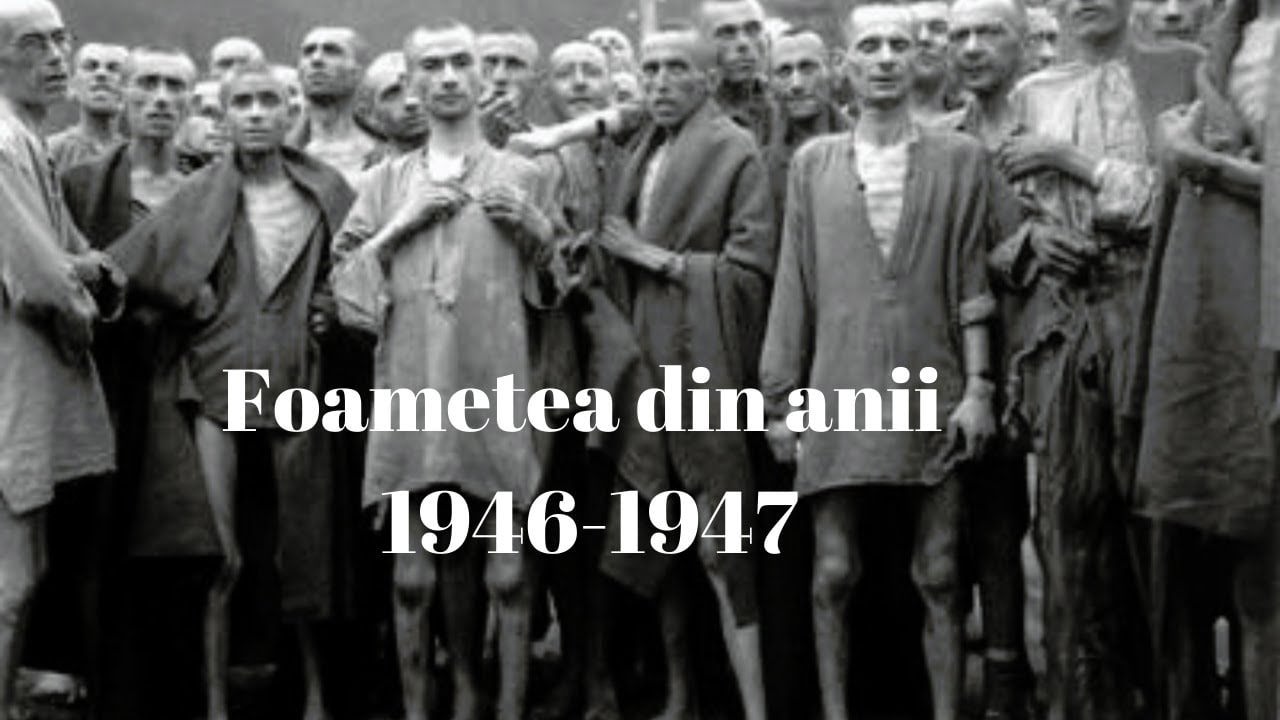
On the third Saturday of April, the Republic of Moldova officially commemorates the victims of the Soviet-orchestrated famine. Historical archives and recent scholarly findings confirm that the mass starvation was a deliberate state policy designed to break social resistance and force collectivization.
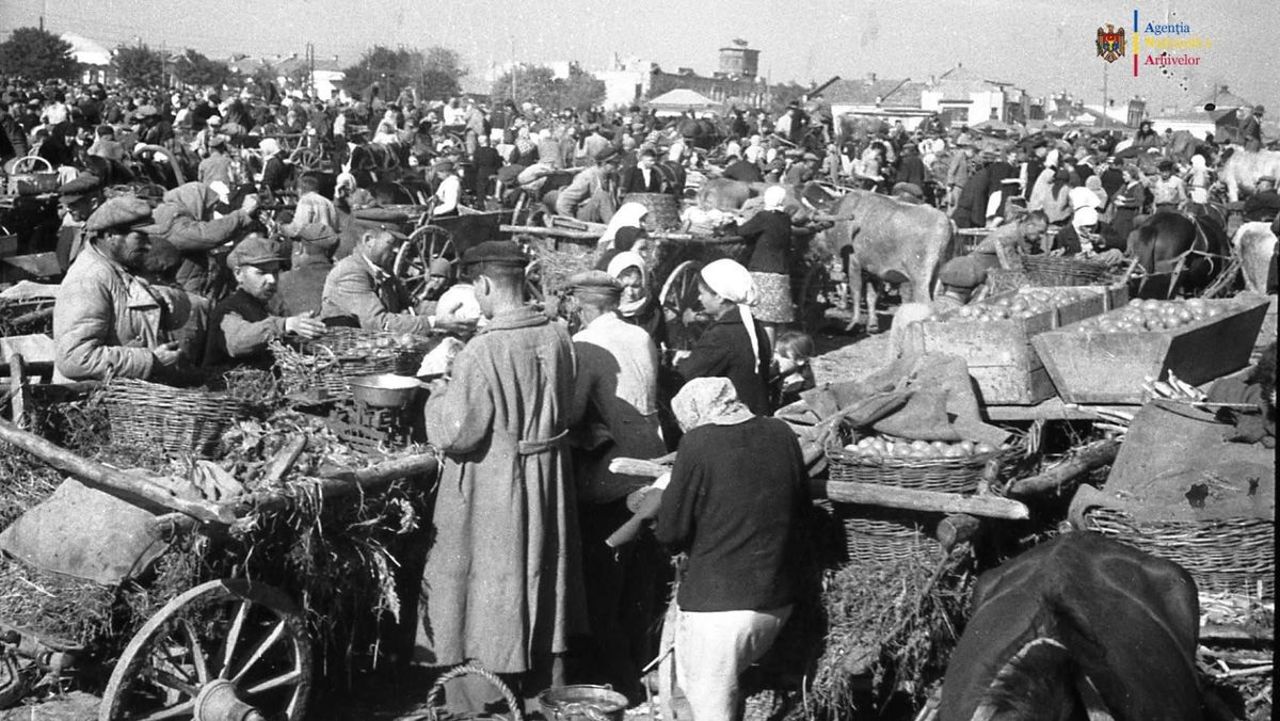
Research identifies three major waves of starvation: 1921–1922, 1932–1933, and the most devastating period, 1946–1947. In the Tiraspol region alone, records show that over 60,000 peasants suffered during the first wave in 1921.
The mechanism of state terror
During the 1932–1933 Holodomor era, thousands attempted to flee across the Dniester River to escape starvation. On February 23, 1932, Soviet authorities executed 40 refugees from the village of Olănești, marking a peak in the regime's violent border suppression.
The 1946–1947 famine is described by historians as a calculated strike against the Basarabian social fabric. By enforcing predatory grain seizures, Soviet officials stripped rural communities of their last food reserves, leaving villages desolate and forcing survivors into the collective farm system.
Impact on human dignity
Historians emphasize that this tragedy was an "avoidable fatality" used to suppress the population's will and dignity. The famine claimed approximately 200,000 lives—representing 10% of the Moldavian SSR's population at the time.
Current commemorative efforts aim to counter decades of Soviet denial and silence. For generations, public discussion of the tragedy was strictly forbidden, preventing families from mourning their losses or documenting the atrocities.
A commitment to democracy
Today, the act of remembrance is viewed as essential for national identity and democratic resilience. Scholars argue that acknowledging these state crimes is a vital step in preventing the resurgence of totalitarian ideologies.
"Commemoration must unite, not divide," experts state, framing the day as a collective responsibility to defend human rights. By honoring the victims, Moldova reaffirms its commitment to a future built on freedom and the protection of human dignity.
Translation by Iurie Tataru