Opaque gas scheme faces 2026 end
Transnistria’s decades-long reliance on virtually free Russian energy is growing increasingly unsustainable. Moldovan Deputy Prime Minister for Reintegration Valeriu Chiveri warned that while the breakaway region is not facing immediate economic collapse, its opaque supply model is nearing a critical end.
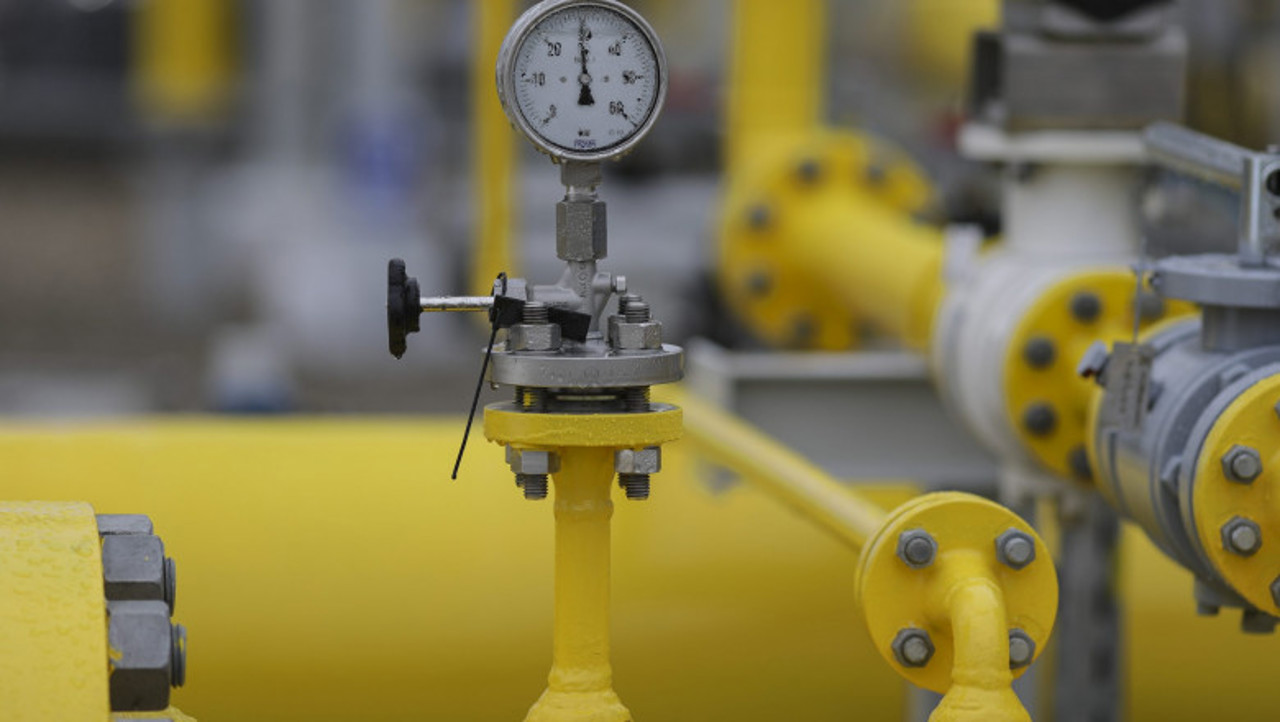
Currently, Moscow pays for gas deliveries only in short increments, keeping the local economy in constant uncertainty. Deliveries are presently funded only through April 30.
"The economic model built over the last 30 years was bound to reach this point," Chiveri told Radio Moldova. "Free energy resources were always going to run out."
This unpredictable funding cycle operates in 10-to-14-day intervals. It offers the region zero guarantees of long-term stability or uninterrupted supply.
Despite Tiraspol's claims of economic blockades, Chișinău is actively maintaining the system to prevent a humanitarian crisis. Chiveri emphasized that Moldovan authorities keep this opaque model functioning primarily because 98% of the region's residents are Moldovan citizens.
Moldovagaz, acting on the National Agency for Energy Regulation directives, has nominally secured the region's gas supply mechanisms through June 30, 2026. However, Chiveri stressed that global geopolitical shifts make the model's future highly uncertain.
Ongoing Middle East conflicts and political developments in Hungary directly impact the logistics. Since February 2025, Russian gas has reached Transnistria through a complex, intermediary-heavy scheme.
This supply chain involves UAE-registered companies and the Hungarian energy firm MET. The Hungarian firm ultimately routes the gas to Moldovagaz for regional distribution.
Eventually, the region will have to adopt a transparent energy model. Chiveri noted this transition will inevitably lead to higher energy prices for end consumers across the region.
Translation by Iurie Tataru