Moldova boosts resilience through first global agent exchange
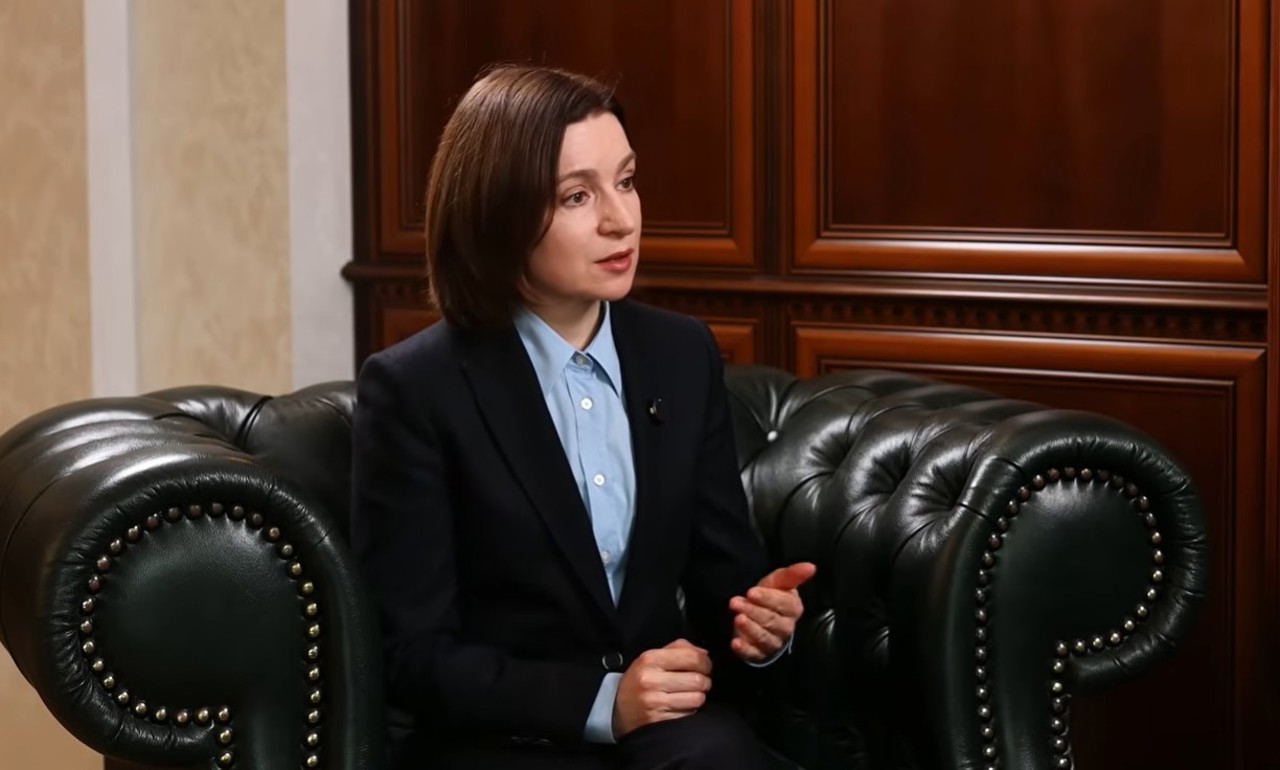
President Maia Sandu has called for a decisive shift in the Moldovan judiciary’s handling of high treason, following the country’s first international prisoner exchange. The operation, conducted on April 28, saw the return of two loyal Security and Intelligence Service (SIS) officers from Russian captivity.
The logistics of betrayal and loyalty
In a televised address, Sandu revealed that the exchange involved swapping former SIS Deputy Director Alexandru Balan—accused of treason—for the two Moldovan officers captured in 2025. The high-stakes operation was supported by intelligence agencies from the United States, Romania, and Poland, signaling Moldova’s deepening security integration with Western partners.
"While treason is clearly defined by law, our judicial system has often lacked the courage to hold those working against the state accountable," Sandu stated. She dismissed low wages as a justification for espionage, noting that Russia’s financial influence consistently targets institutional integrity with resources far exceeding Moldova's national budget.
Institutional purge and resilience
The President defended the decision to release Balan, noting he had been isolated from state secrets since 2019. This strategic isolation minimized the risk of current intelligence leaks during the swap. Sandu emphasized that the SIS has undergone a rigorous internal purge to remove "unreliable elements" inherited from previous regimes.
Judicial accountability remains a hurdle
Despite advancements in security resilience evidenced during the 2024 and 2025 elections, Sandu highlighted a persistent "reticence" within the Prosecutor’s Office and the courts. She argued that the lack of harsh, visible sentencing for treason continues to embolden foreign influence operations.
The SIS has since launched an internal investigation to determine if the 2025 capture of its officers was facilitated by an internal security breach. Director Alexandru Musteața confirmed the agency is auditing all protocols to prevent further infiltration as Moldova continues its trajectory toward European integration.
Translation by Iurie Tataru