Free or self-censored press: Key sign of freedom—no jailed or exiled journalists
Two important reports regarding the state of the press in the Republic of Moldova were released just before International Press Freedom Day, observed on May 3. These reports offer differing conclusions about the local media landscape. On one hand, they highlight progress in the national press within the region. On the other hand, they indicate that some editorial offices are experiencing self-censorship due to concerns about losing foreign funding.
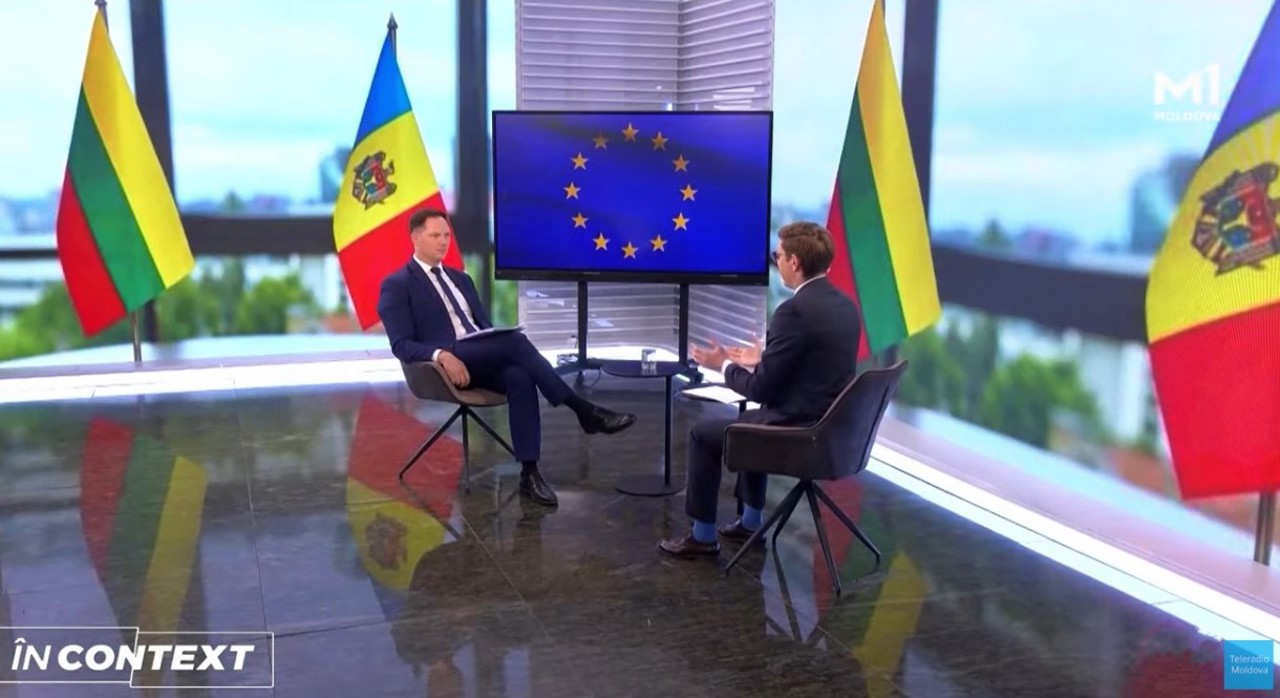
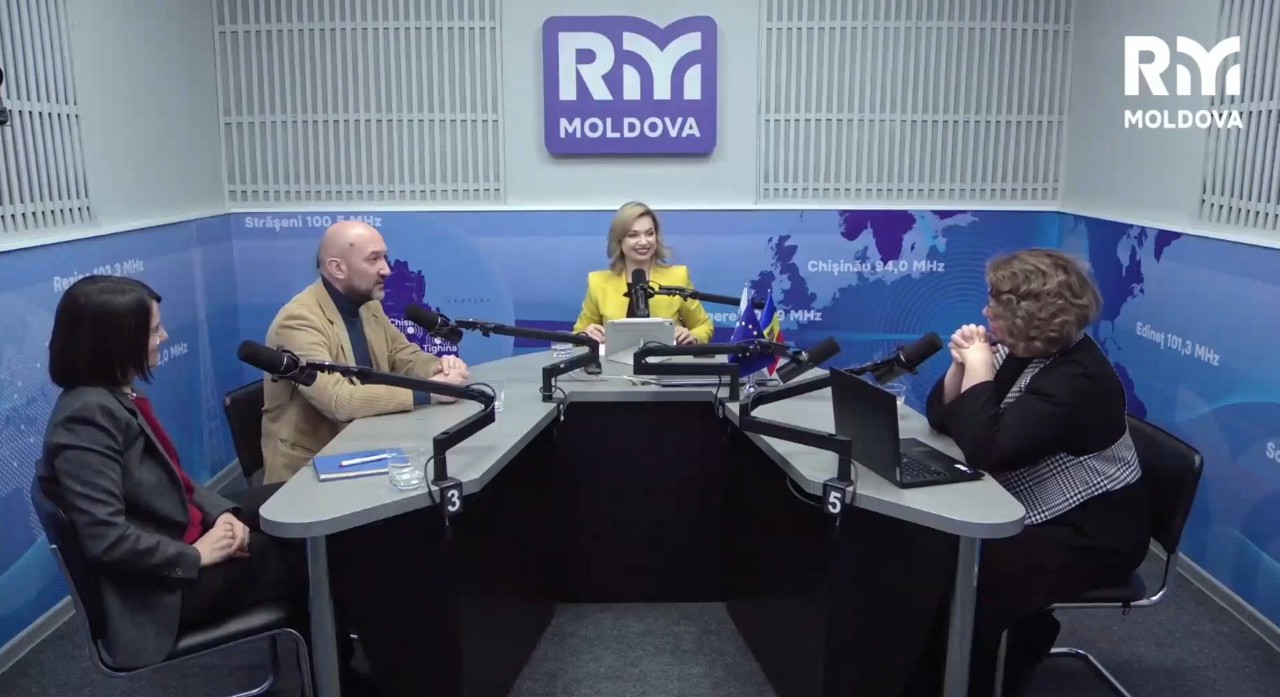
The topic was discussed on the show “Public Space” on Radio Moldova, during the May 4 edition.
The Republic of Moldova ranks 31st in Press Freedom Index
According to the report published by Reporters Without Borders (RSF), the Republic of Moldova has improved its ranking, now occupying 31st place and achieving a “satisfactory” status as a regional leader in press freedom.
This advancement is attributed to the Government’s efforts to grant greater freedom to the press and enforce strict transparency regulations.
“In both Parliament and the relevant committee, as well as with our colleagues from civil society, we have worked to meet many standards associated with the country's commitment to European Union norms. I am particularly referring to media pluralism and transparency of ownership in the audiovisual sector. We have created a legal framework to ensure greater independence for public television. As a result, our efforts have been reflected in this index,” stated Liliana Nicolescu-Onofrei, Chairwoman of the Parliamentary Committee for Culture, Education, Research, Youth, Sports, and Mass Media, during the national radio broadcast.
Journalists in the Republic of Moldova enjoy the full range of freedoms outlined in the legal framework, creating an island of contrasts in the region and globally. While press freedom is declining in many parts of the world, the media in Moldova is strengthening its position in Eastern Europe. High standards and the lack of systematic intimidation of journalists allow the press to approach sensitive political issues with confidence.
“A key indicator for me that the press is free in our country is that we do not have journalists in exile, nor do we have journalists in prison. There are also no severe cases of pressure on journalists,” said Viorica Zaharia, journalist and media expert, as well as president of the Press Council, during the same Radio Moldova show.
She also mentioned that the organization she leads publishes the “Black Book of the Waste of Public Money” annually, which highlights information that may be uncomfortable for some politicians.
“If we had engaged in self-censorship, we would likely have been more cautious regarding some individuals while being less attentive to others. For me, our work is evidence that we are practicing free journalism,” Zaharia said.
Self-censorship and fear of losing foreign funding
Amnesty International Moldova’s April report highlighted concerning trends in press freedom, particularly among pro-European media, which are exhibiting signs of fragility, self-censorship, and pressure arising from fears of government retribution for economic reasons.
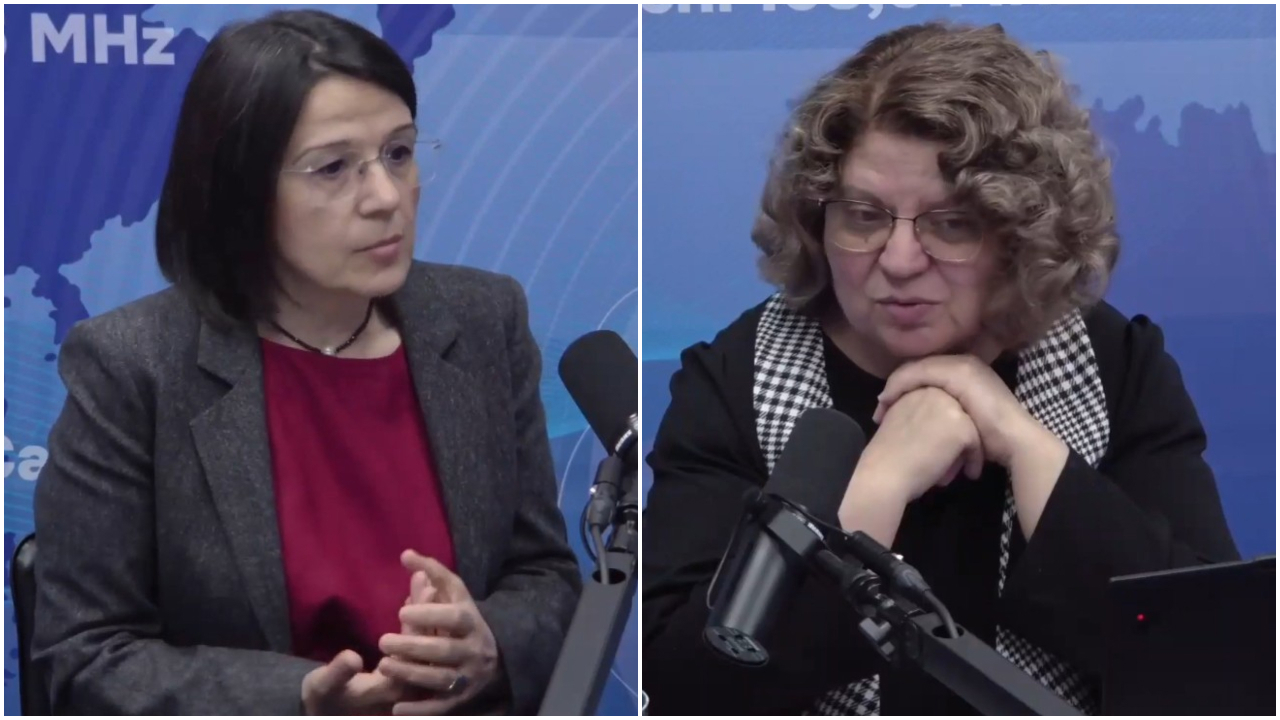
“Amnesty does not produce national or international rankings. The Republic of Moldova has a free press and allows freedom of expression. However, this does not mean that there are no issues affecting journalists' ability to perform their work. We have documented the problems we monitored over the past two years and included them in our report,” stated Veaceslav Tofan, executive director of Amnesty International Moldova.
Media expert Viorica Zaharia emphasized that if journalists feel pressured to self-censor, they must speak out against it. She said, “If you self-censor, you are no longer a credible journalist, and you cannot carry out your work effectively. If you are experiencing pressures that lead to self-censorship, these must be publicly denounced. If you have a topic of public interest, please address it.”
In response, Liliana Nicolescu-Onofrei, a deputy from the ruling party, criticized the Amnesty representative for the report's claims that did not specify the source of the threats related to funding. “Are you suggesting that donors are trying to inappropriately influence grants? Why do you claim that the press is self-censoring due to fears of losing grants from international partners?” she questioned.
Veaceslav Tofan responded that this observation reflects discussions with journalists who have encountered such pressures. “Our report indicates that certain politicians have attempted to influence editorial policy by threatening that, ‘if you continue this way, you will not receive grants.’ We have evidence to support this claim,” he asserted.
The controversy surrounding press financing through international grants was further heightened by the closure of the USAID program, which had provided financial support to pro-European media, including in the Republic of Moldova.
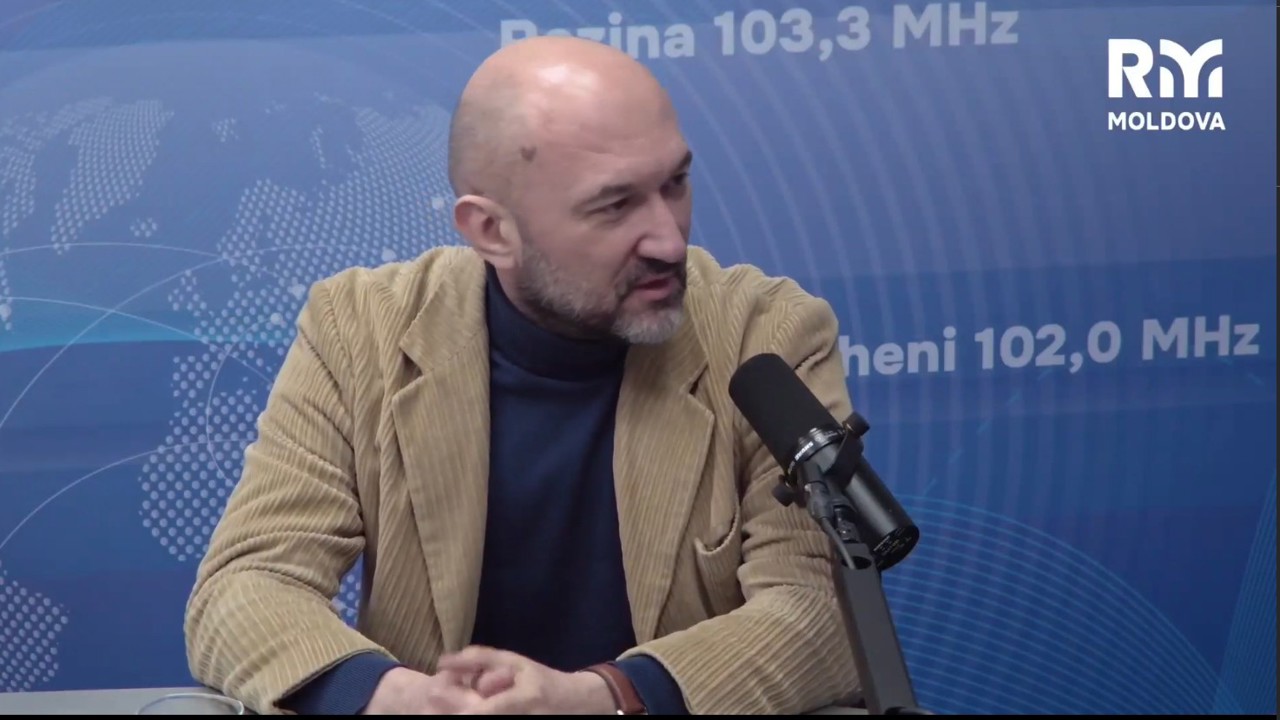
Viorica Zaharia challenged the notion that the Moldovan press is divided into pro-European and pro-Russian factions, arguing instead that the proper term is "polarized press."
"The only polarization that exists is whether one adheres to professional ethics or not. Ethics is what makes you a journalist. Being pro-European or pro-opposition signifies partisanship, and partisanship is not journalism," concluded the president of the Press Council.
On April 21, Amnesty International released the report titled "State of Human Rights in the World," which stated that "the freedom of the pro-European press is extremely vulnerable from a financial perspective, following the cessation of funding from USAID."
The report noted that several media institutions have faced political pressure regarding their editorial content, suggesting a tendency to reflect the views of those in power in exchange for access to foreign grants.
Additionally, on May 3, the Reporters Without Borders report ranked the Republic of Moldova 31st, affirming its status as a regional leader in press freedom.