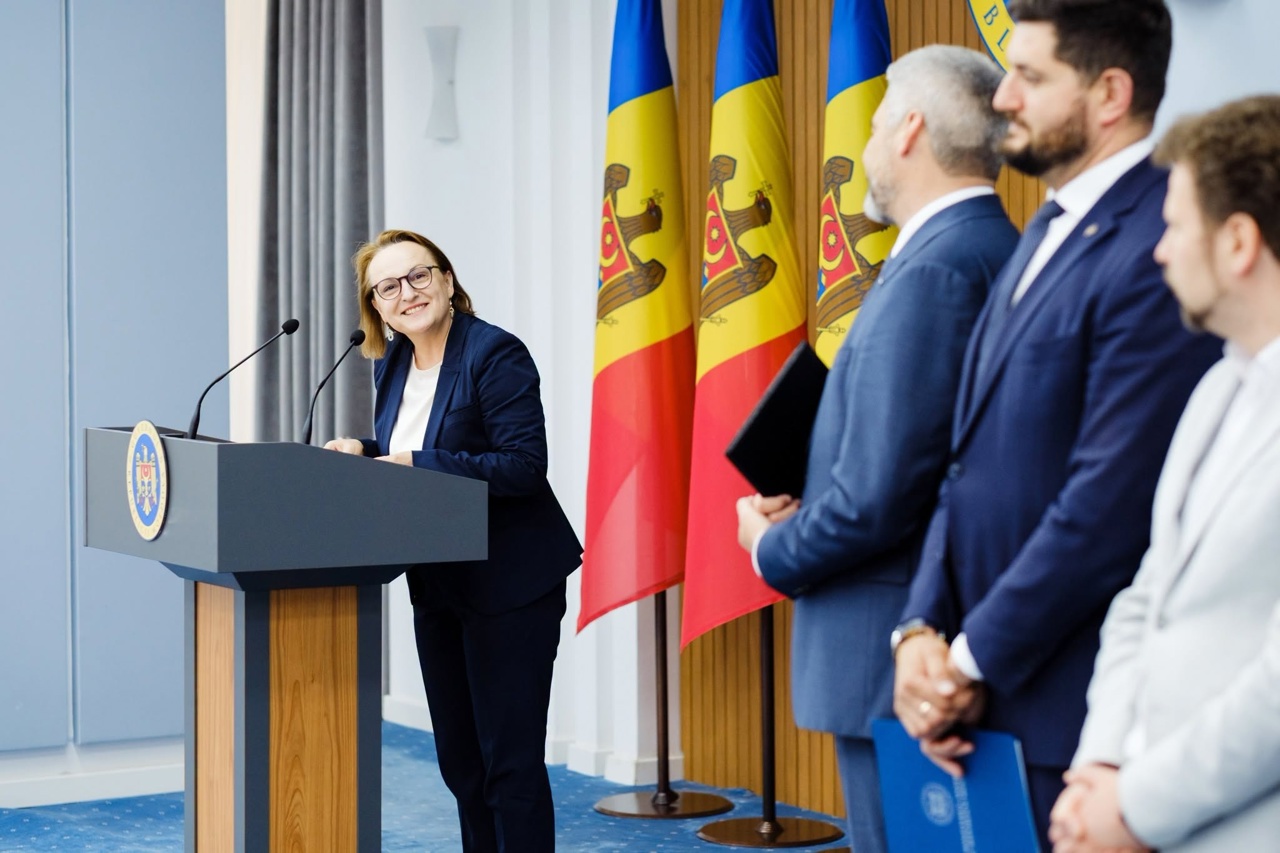
Yerevan hosts diplomacy summit: Maia Sandu highlights EU accession and security partnerships
"European integration is our most important project," declared President Maia Sandu in Yerevan, where she is participating in the eighth summit of the European Political Community (EPC) on May 4. The head of state will co-chair a key session on combating hybrid threats alongside French leader Emmanuel Macron. She plans to use the opportunity to engage with over 40 European leaders gathered in Armenia to promote the Republic of Moldova's path to accession and to reaffirm support for Ukraine.
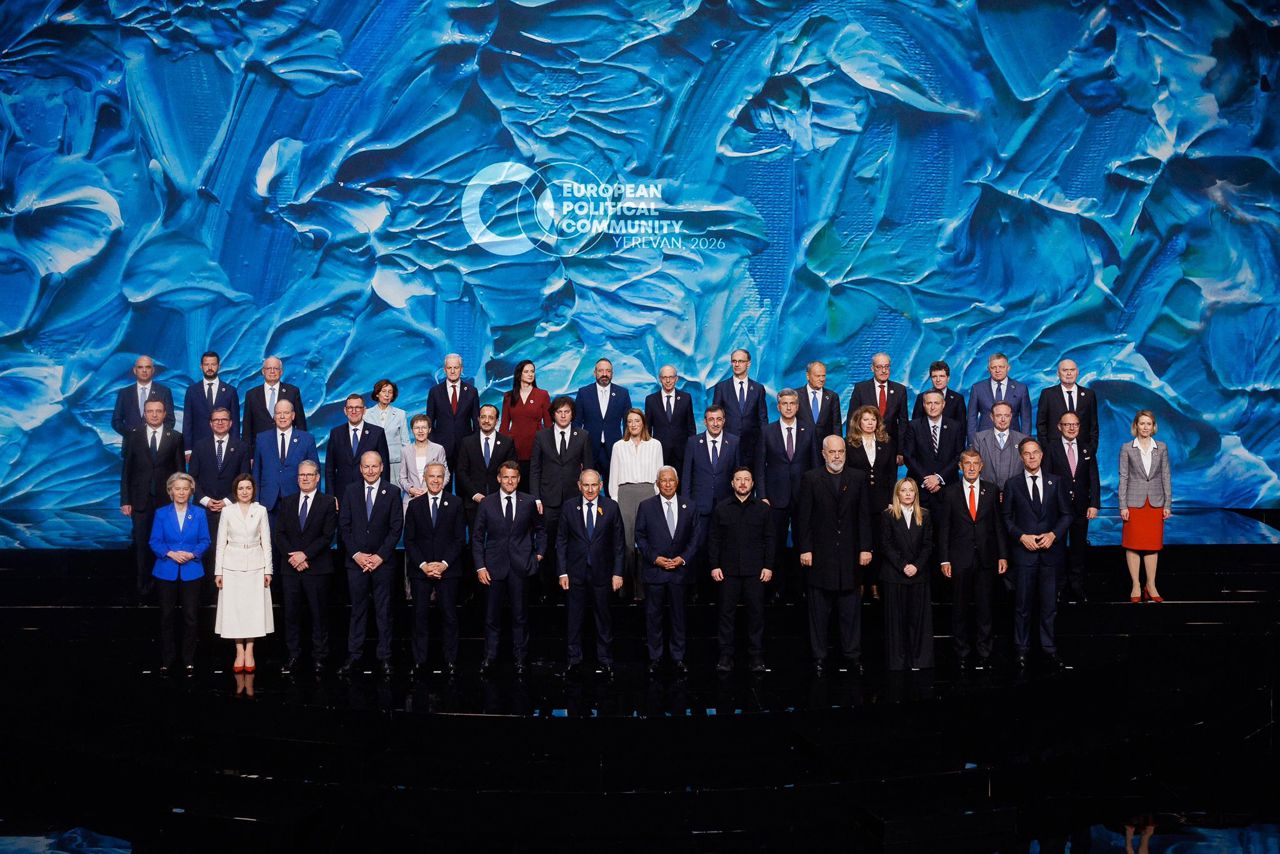
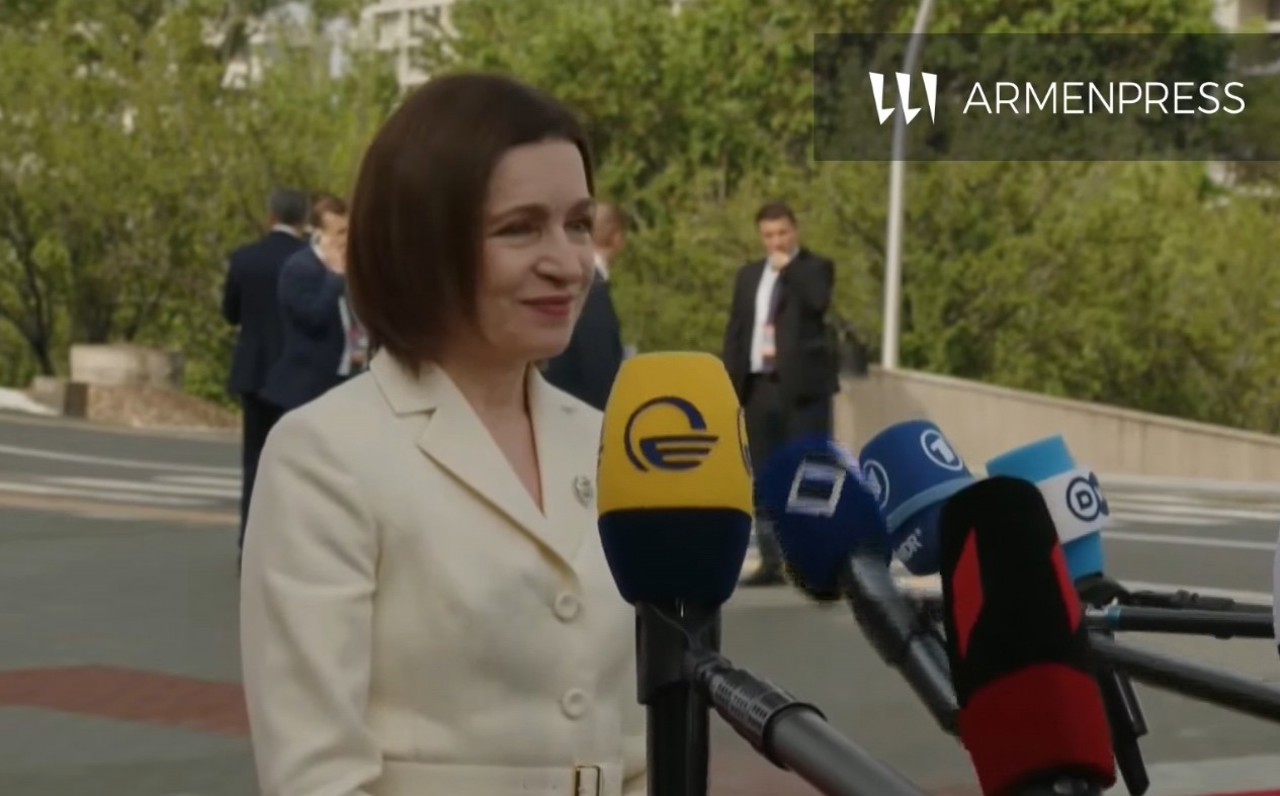
“We will discuss how to better protect our democracies. Of course, we will express our support for Ukraine. The Republic of Moldova will once again discuss European integration with its EU partners. This is the most important project for us,” declared Maia Sandu in Yerevan, ahead of the European Political Community summit.
Maia Sandu has scheduled several bilateral and multilateral meetings on the sidelines of the summit to advance the Republic of Moldova’s accession to the European Union and strengthen security partnerships.
She will also participate in a meeting of the European Coalition Against Drugs, an initiative launched last year by Emmanuel Macron and Giorgia Meloni, the President of the Council of Ministers of Italy.
At the opening of the EPC summit in Armenia, Emmanuel Macron emphasized the security of the Republic of Moldova and Armenia as central to the continent’s defense architecture.
The French president highlighted that support for Ukraine must be accompanied by concrete efforts to strengthen the sovereignty of Eastern partners. “We will also have the opportunity to organize meetings to support the independence and sovereignty of Armenia and the Republic of Moldova. This is part of a Europe that is building its own security and defense,” said Macron, as reported by Armenpress.
For her part, the President of the European Parliament, Roberta Metsola, noted that today’s discussions would focus on combating disinformation and hybrid threats. “These are no longer distant risks. The European Parliament is particularly committed to working with stakeholders to eradicate them, as they represent a real threat to democracy. Wars are not only fought on the ground; they also occur in the digital sphere, targeting and undermining the most vulnerable parts of our society,” Metsola pointed out.
Armenia, aiming to break away from Russia, targeted by hybrid attacks
The eighth meeting of the European Political Community began on May 4 in the Armenian capital, Yerevan, under the theme "Building the Future: Unity and Stability in Europe." The gathering includes over 40 heads of state and government who will discuss ways to strengthen democratic resilience and improve cross-border connectivity.
The official agenda focuses on securing energy and economic foundations, which are crucial for maintaining geopolitical balance amid external challenges.
This meeting, hosted by Armenian Prime Minister Nikol Pashinyan, takes place amid significant geopolitical tensions, including the ongoing conflict in Ukraine and heightened tensions between the United States and Iran.
Hosting the European Political Community meeting in Yerevan represents a significant strategic shift for Armenia as it seeks to distance itself from its historical role as Russia’s primary ally in the South Caucasus. This pivot toward European integration was hastened by the shortcomings of Russia’s security architecture during the Nagorno-Karabakh conflict, leading Armenian authorities to initiate formal steps to join the European Union in March 2025.
However, Armenia's integration process is complicated by Moscow’s hybrid tactics, which utilize economic pressure, cyberattacks, and disinformation to deter Armenia from leaving the Eurasian Economic Union in favor of closer ties with Brussels.
While European leaders extend support for democratic resilience and propose new civilian monitoring missions, the Kremlin asserts that simultaneous membership in both economic blocs is impossible, citing Yerevan's significant dependency on Russian energy.
Although cooperation with the European Union and new regional connectivity projects present opportunities for modernization, Armenia finds itself in a precarious position, still lacking reliable alternatives to Russian resources and security guarantees.