Civil society involved in monitoring Moldova’s EU alignment process
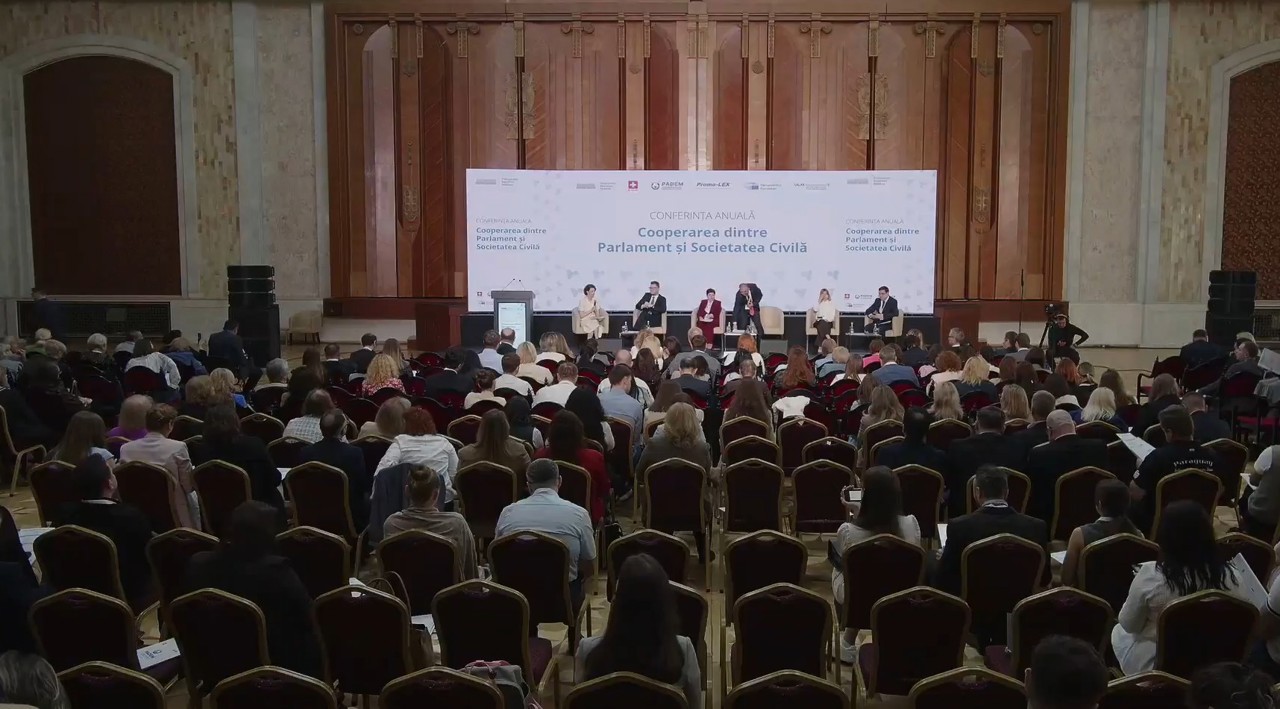
Parliament and civil society must move beyond formal, bureaucratic methods to accelerate the Republic of Moldova's alignment with European Union (EU) standards. In the process of European integration, as Parliament works to harmonise national legislation with EU laws, civil society plays a crucial role in monitoring the entire decision-making process. This was a key point discussed by participants at the annual conference titled "Cooperation between Parliament and civil society," held on May 22 in Chisinau.
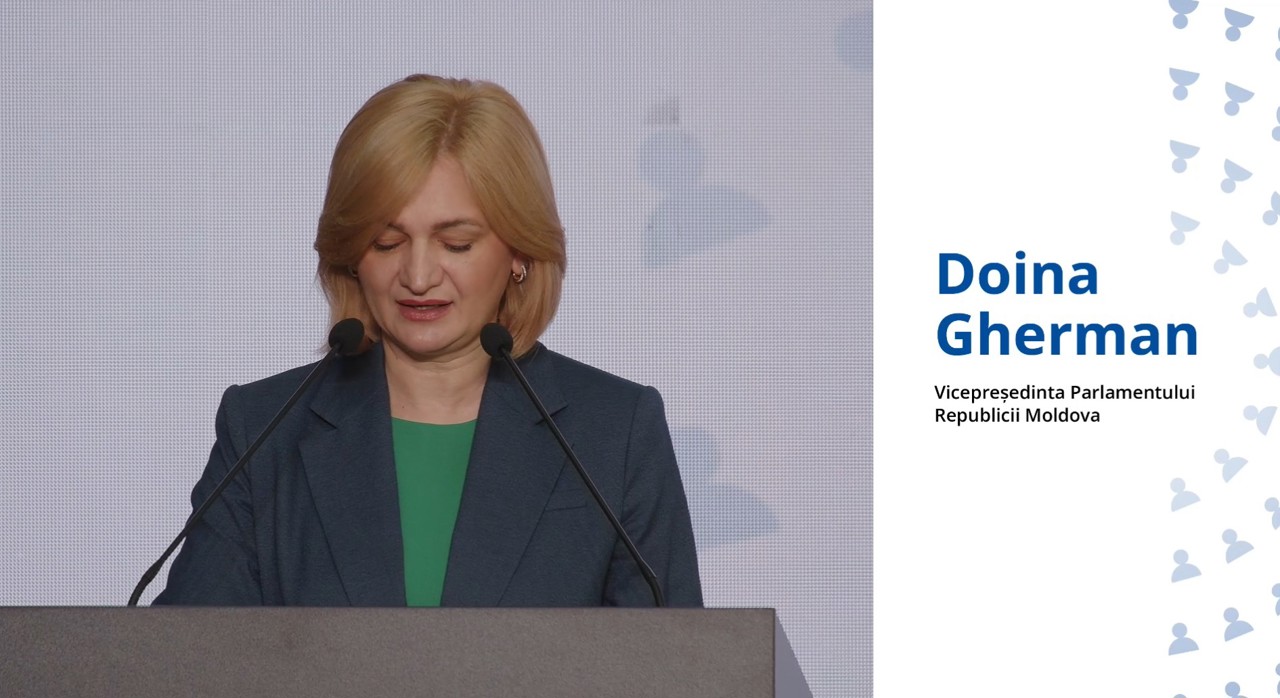
"During the conference, Doina Gherman, Vice President of the Parliament of the Republic of Moldova, stated, 'In the coming periods, we will encounter social, economic, and geopolitical pressures, including ongoing attempts to divide our society. This is why, in these crucial times, the role of civil society in strengthening the state is vital; NGOs have the best understanding of the problems faced by communities.'
The mission of civil society is to provide expertise, advocate for reforms, and offer concrete solutions.
'Together, we create the necessary framework to transform the Republic of Moldova into a modern nation. European integration is not merely a political goal; it is a national project, a project for our entire generation", said Doina Gherman.
The event was attended by ambassadors and development partners who have played a significant role in fostering a free civil society capable of making an impact at both the legislative and social levels.
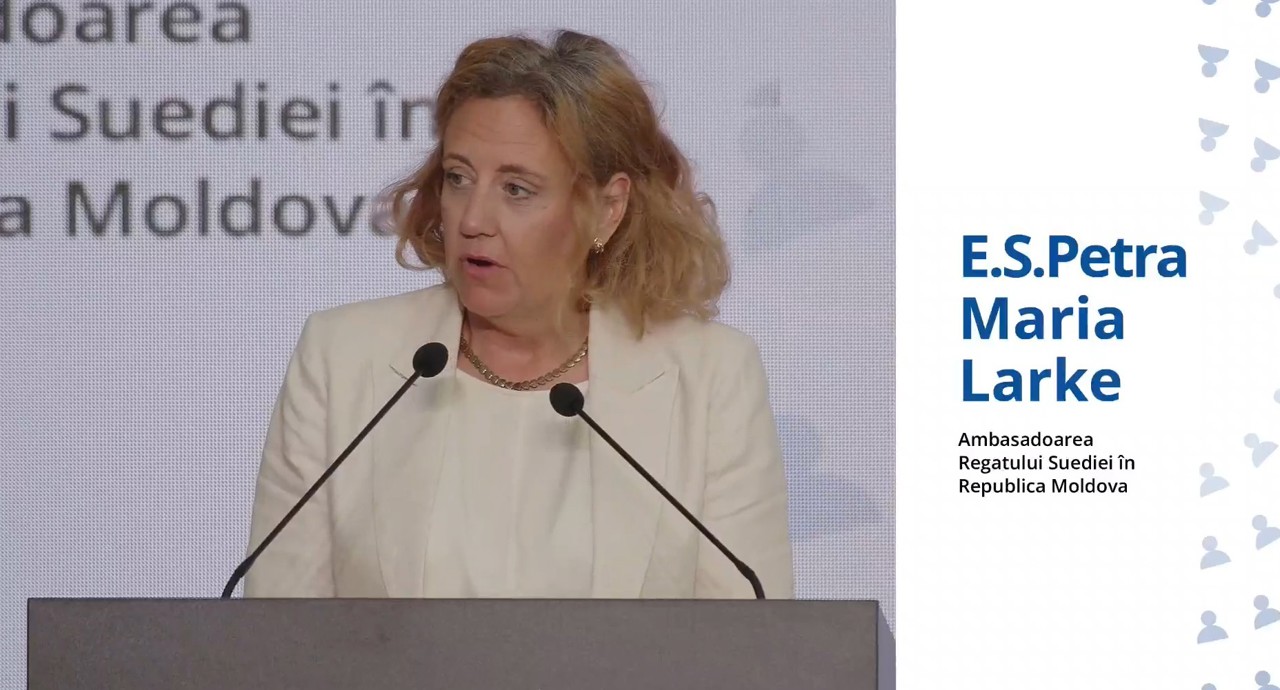
“As you navigate these important reforms and transformations, it is crucial to ensure that this process is inclusive of the entire society. Sweden has supported civil society in the Republic of Moldova for the past 30 years, and we seek an inclusive Moldova, where the policies and reforms adopted are embraced by everyone. By promoting inclusivity and allowing civil society to express its views during the reform and law-making processes, you strengthen the resilience against those who wish to undermine trust and sow discord,” stated Petra Maria Larke, the Ambassador of the Kingdom of Sweden to the Republic of Moldova.
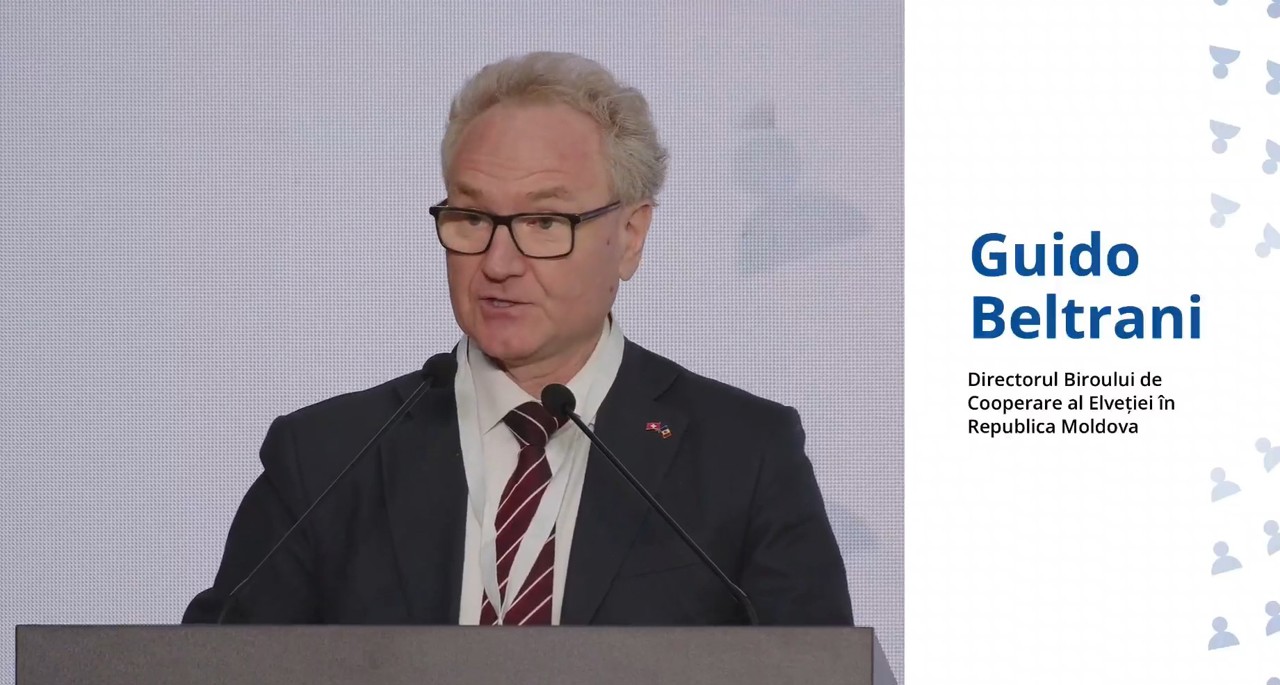
"Parliament represents the voice of the people through elected officials, while civil society reflects their aspirations, concerns, and lived experiences. When these two forces engage in genuine dialogue, democracy thrives. However, when they distance themselves from one another, democracy suffers. Through open discussions, parliamentarians can gain valuable insights into societal issues, ensuring that laws are grounded in reality and inclusive. When people feel heard, they are more willing to actively participate in democratic processes," noted Guido Beltrani, Director of the Swiss Cooperation Office in the Republic of Moldova.
European integration is an effort that “belongs to all citizens; in this sense, civil society serves as a pillar of democracy, ensuring the transparency of this process,” reiterated Daniela Vidaicu, Executive Director of the Soros Foundation Moldova, at the conference.
The civil society representative highlighted the European Commission's recommendations in the 2025 Enlargement Report, which state that “the Republic of Moldova must work to improve the decision-making process, transparency, and public participation at both central and local levels.”
Another important document discussed at the conference was the Roadmap on Democratic Institutions, which outlines several objectives for protecting and promoting civic space, safeguarding human rights, enhancing the financial sustainability of civil society, and developing effective public consultation mechanisms.
Legislative framework to stimulate local philanthropy
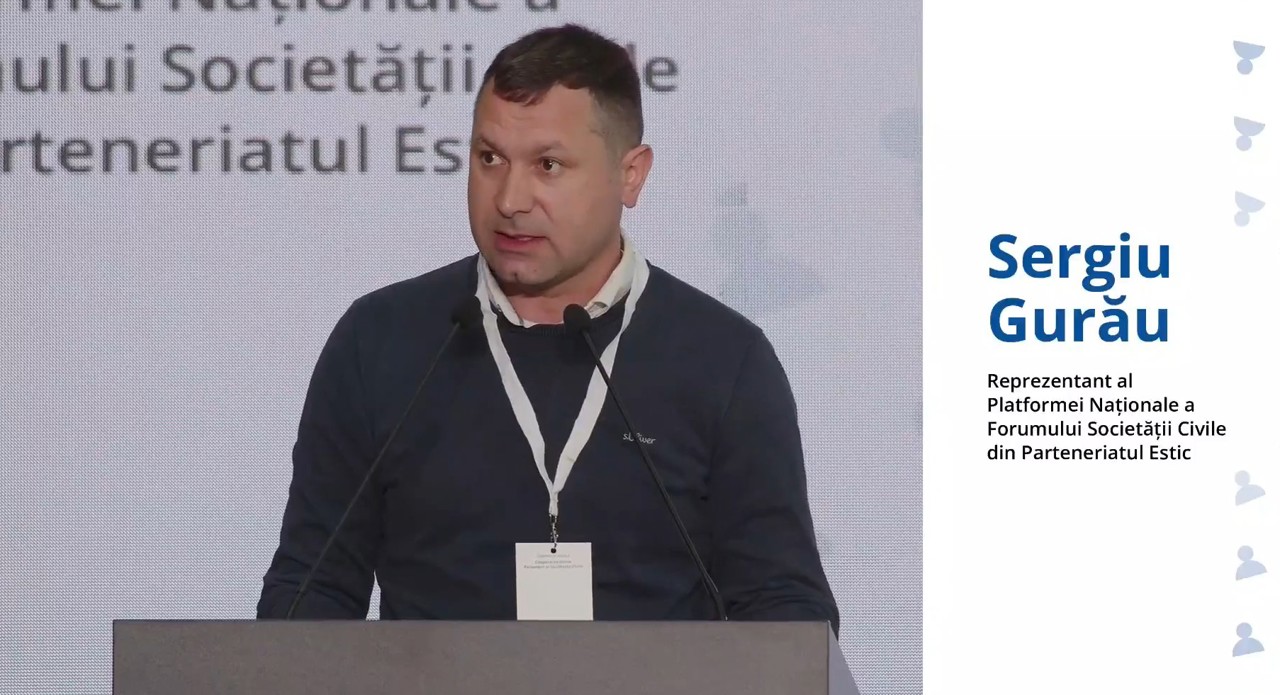
The Republic of Moldova is recognized as one of the most active and credible voices within the Eastern Partnership Civil Society Forum. This forum brings together hundreds of organizations from six countries, including over 140 from Moldova, as emphasized by Sergiu Gurău, a representative of the National Platform of this structure.
“We must acknowledge that civil society in our country faces numerous challenges regarding financial sustainability every day. Our dependence on external funding remains a structural vulnerability. Although there are percentage designations and public grant programs, they are not sufficiently consolidated. We urgently need a legislative and fiscal framework that will stimulate local philanthropy and reduce organizations' reliance on international project cycles,” highlighted Sergiu Gurău.
Another challenge discussed at the conference was the pressures on civic space, which include disinformation, attacks on activists and organizations online, and attempts to delegitimize civil society by labeling them as “foreign agents.”
“We, in this room, have the responsibility to transform these challenges into concrete responses, policies, and laws,” concluded Sergiu Gurău.
Civil society prevents passage of foreign agents bill
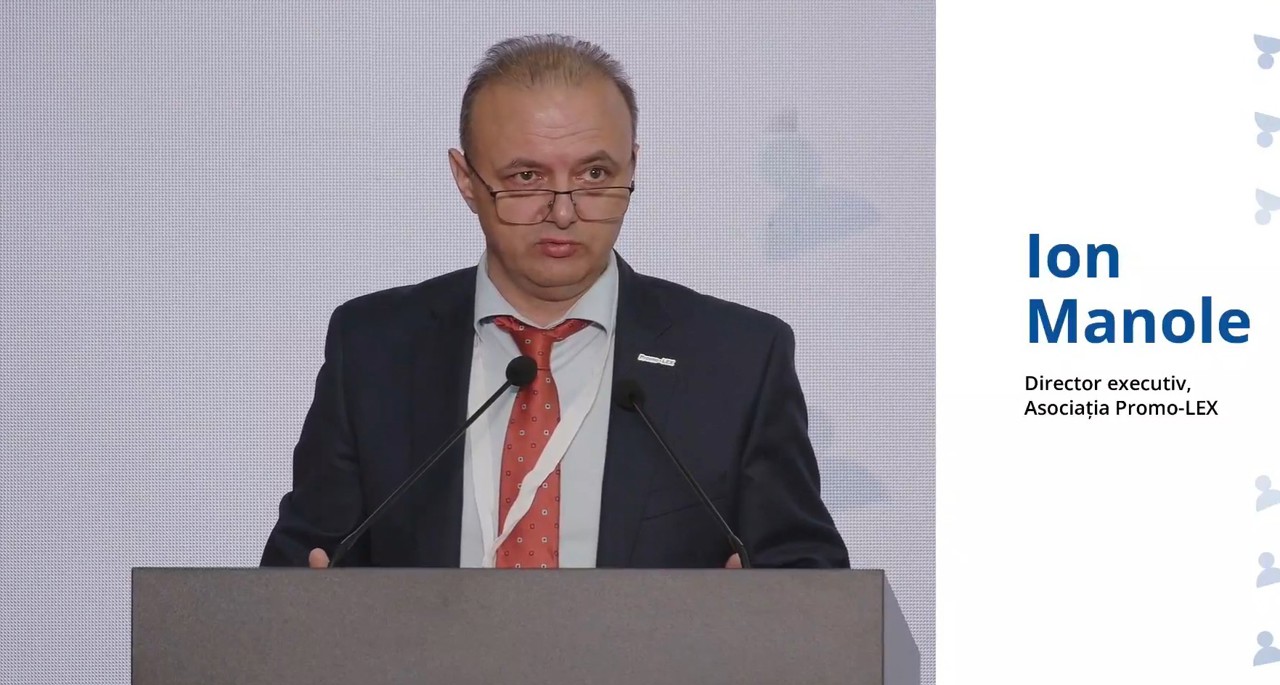
The vigilance of civil society played a crucial role in preventing several draft laws from being introduced in Parliament, as highlighted by Ion Manole, the executive director of the Promo-LEX Association.
"In March 2025, a draft law concerning the status of foreign agents was submitted in Parliament. This draft included provisions that would have severely restricted the activities of civil society organizations. We are relieved that this draft law did not pass, but we must remain vigilant and work together to ensure that such initiatives do not negatively impact our work in the coming years," stated the director of Promo-LEX.
"I want to emphasize that we consider ourselves fortunate because the Republic of Moldova still offers considerable freedoms. I urge everyone to continue taking advantage of these legal and constitutional opportunities for the benefit of all citizens," concluded Ion Manole.
Cooperation between Parliament and civil society: Key facts
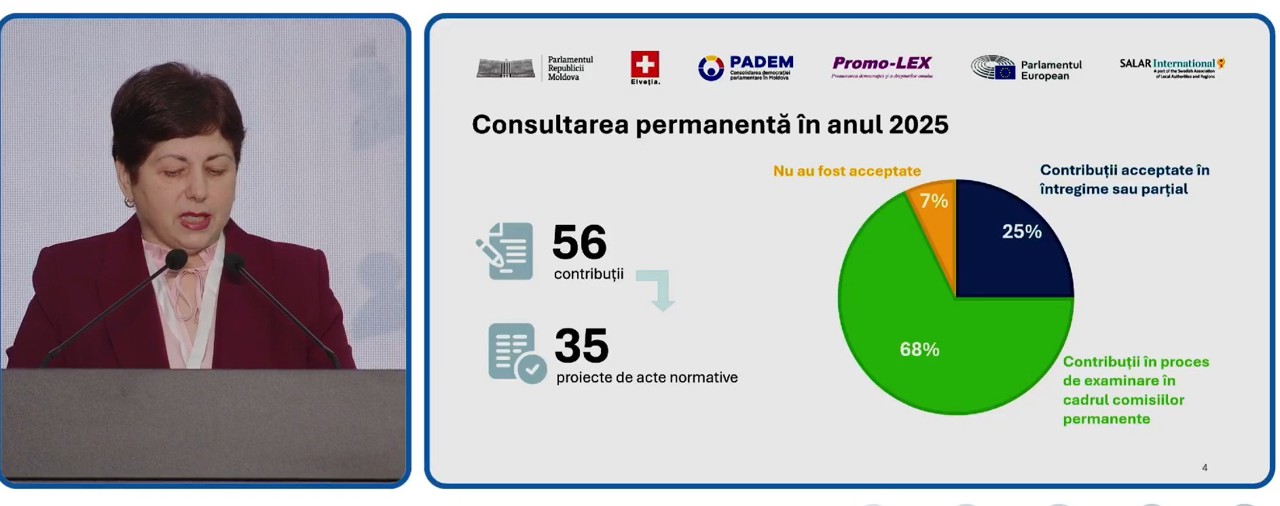
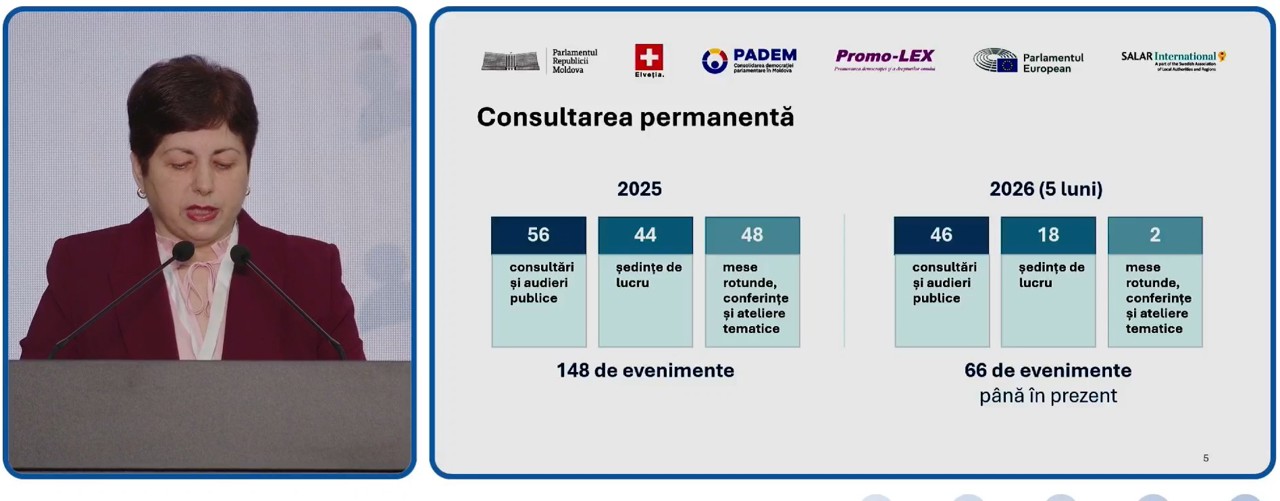
In 2025, all draft normative acts that entered the legislative process, as well as the agendas for plenary sessions and standing committees, were published on the official Parliament website. This announcement was made by Tamara Gheorghiță, the Deputy Secretary General of Parliament.
“These figures not only showcase the volume of legislative activity but also highlight our ongoing commitment to ensuring public access to information and encouraging citizen involvement in the decision-making process,” stated Tamara Gheorghiță.
Additionally, a communication channel was established on Viber, which has 186 active members from civil society.
In 2025, civil society experts provided their insights on 35 draft normative acts, submitting a total of 56 contributions. Notably, 25% of these contributions were fully or partially accepted and incorporated into amendments to the draft laws.
"You can't always enter Parliament."
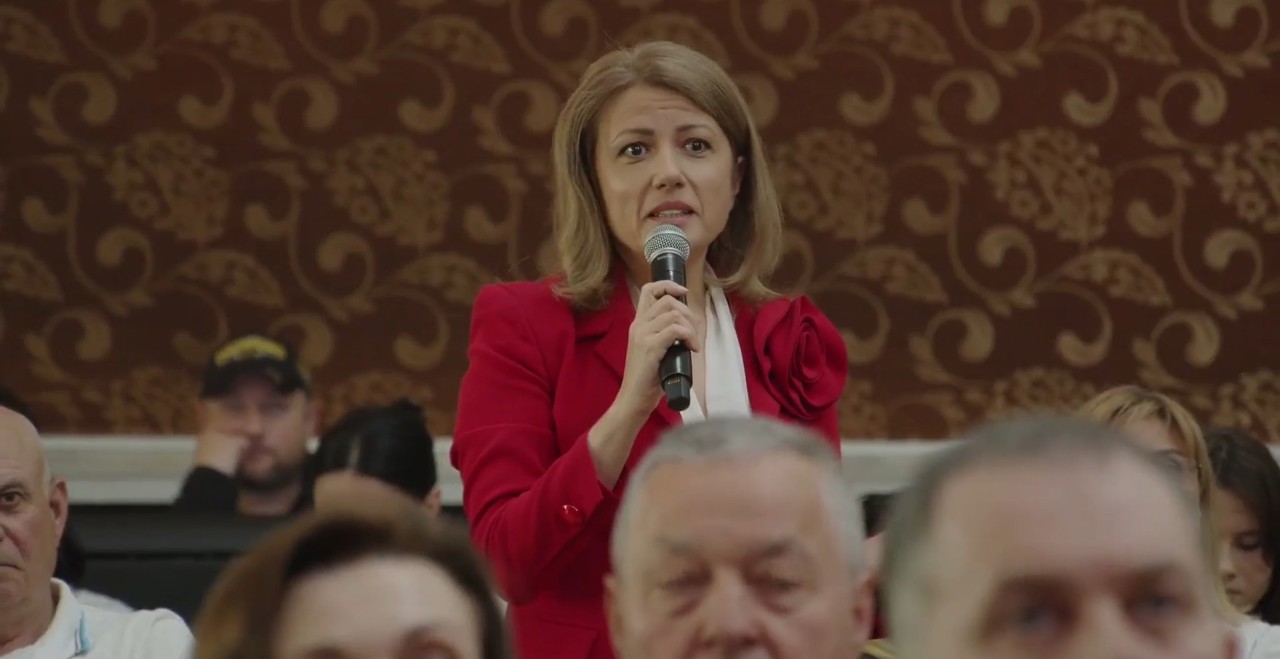
During the question-and-answer session, former MP and current leader of the Alliance of Liberals and Democrats for Europe (ALDE), Arina Spătaru, stated that, as a member of the Council of Experts attached to the Parliamentary Committee for European Integration, she is facing security-related obstacles when trying to enter Parliament.
"I don't know if you are speaking as an expert or as a political party leader, but regarding your access to Parliament and the meetings organized for the Council of Experts, you will certainly have access. However, I don't believe that being an expert grants you unconditional access to Parliament at all times," replied Marcel Spătari, the chairman of the Committee for European Integration.
The conference agenda titled "Cooperation between Parliament and civil society" includes five thematic sessions.
At the conclusion of the conference, a summary of the discussions will be presented, and the conclusions will be compiled into a document. This document will serve as the foundation for ongoing collaboration between Parliament and civil society.