Teacher shortage persists in Moldova, especially in math and physics
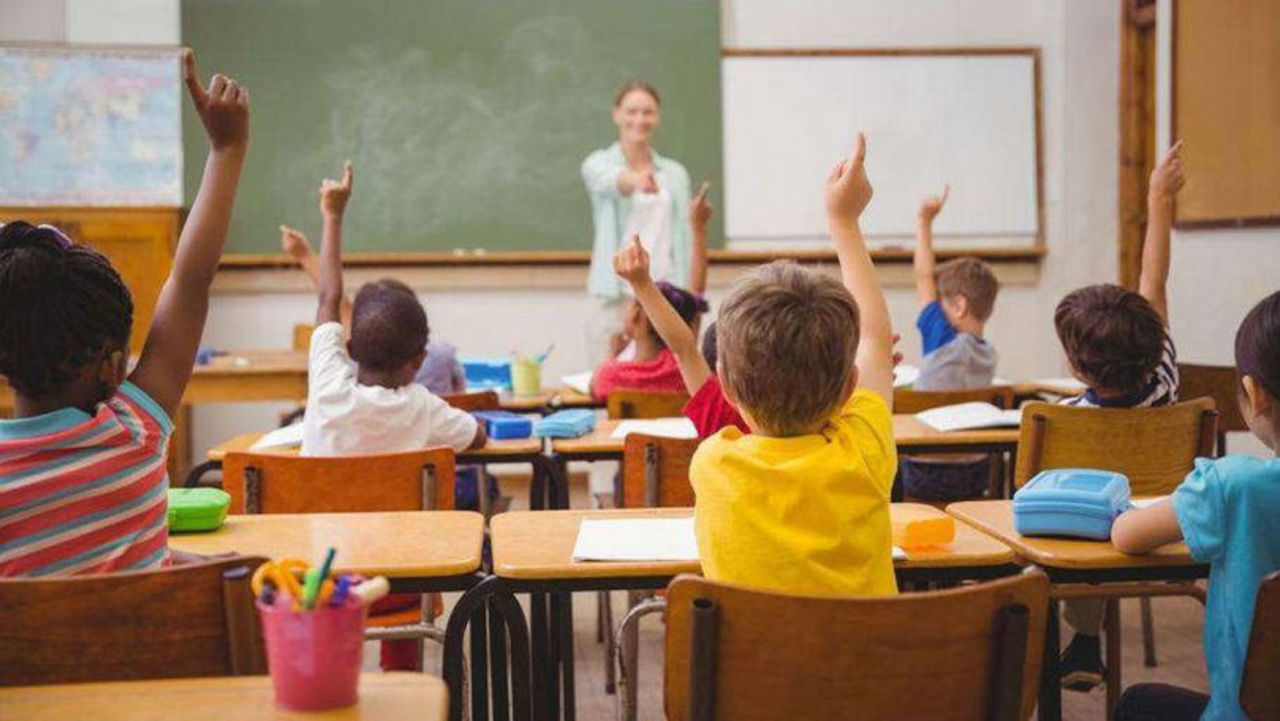
The Ministry of Education and Research is working to address the shortage of teaching staff by enhancing financial support for young specialists and reorganizing the school network, particularly in rural areas. Teachers specializing in subjects such as Mathematics, Physics, Chemistry, Biology, Computer Science, and the Romanian Language in foreign-language schools who choose to work in public general education institutions can now receive one-time allowances of up to 375,000 lei, which is an increase of 100,000 lei from the previous amount.
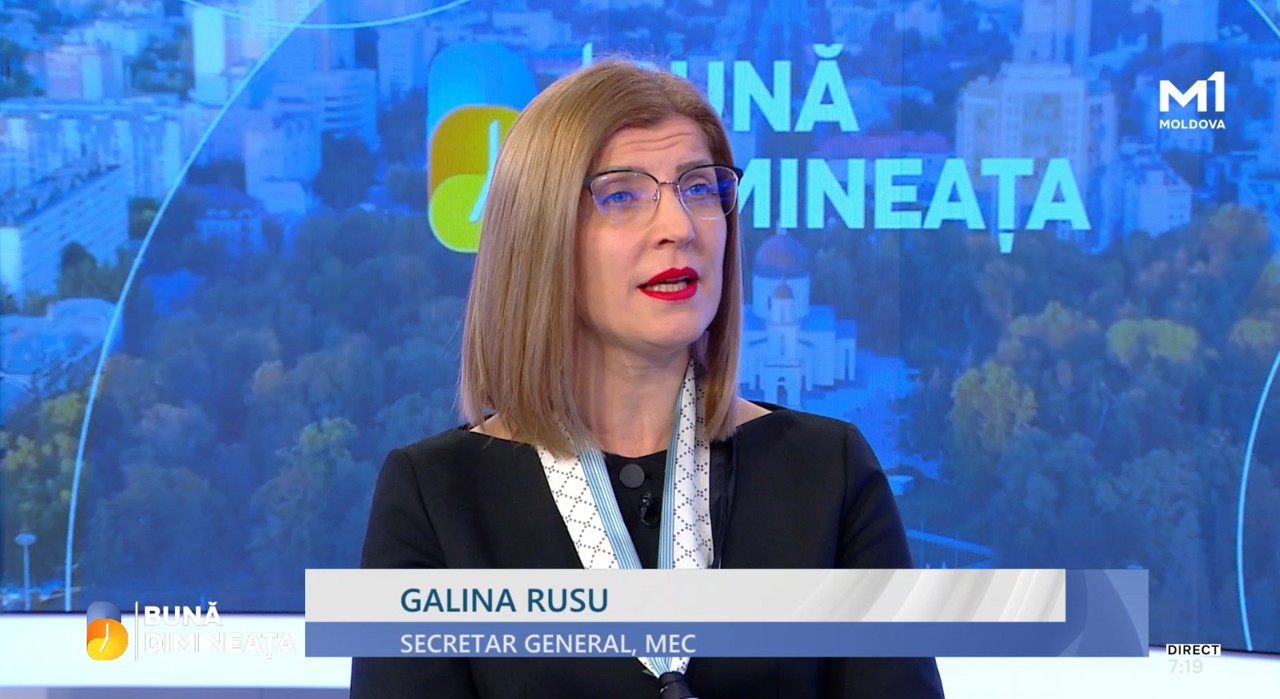
The shortage of teachers remains an issue, despite a decrease in vacancies, according to Galina Rusu, the Secretary General of the Ministry of Education and Research (MEC).
Currently, there are 1,365 vacant positions in the education system, a reduction from over 2,000 three years ago and 1,865 last year. The problem goes beyond just the number of teachers; it also involves their uneven distribution across different regions and specialties, as noted by the MEC representative.
“If we were to calculate the total number of students in our country divided by the total number of teachers, we see a slight increase from 12 to 13. For comparison, the EU average is 15, and in some countries, it reaches up to 17,” Galina Rusu stated during the "Bună dimineața" show on Moldova 1.
The increase in allowances primarily targets STEM disciplines (science, technology, engineering, and mathematics), where the shortage of teachers is most acute. Officials indicated that, for three consecutive years, teachers in Mathematics, Physics, and Chemistry have had the highest number of unfilled positions.
“This adjustment to the allowance directly addresses the negative statistics in these urgent areas, specifically the disciplines where the need is most pressing,” Galina Rusu explained.
To qualify for the allowance, young individuals must participate in a placement competition organized by the Ministry of Education and Research. This opportunity is available to graduates aged up to 35 from faculties, pedagogical colleges, or master’s programs, including those who studied abroad.
“If we are discussing college graduates, they simply need to enter the competition. It is important to note that only young individuals designated by the MEC receive the allowance. Last year, in some localities, there were instances where up to nine candidates were assigned to a single position, which is a positive sign,” Galina Rusu said.
This year, the government has introduced additional support for graduates who choose to work in schools where they completed their teaching practice or previously worked. If the institution provides them with a recommendation, they will receive priority in assignments.
The Ministry of Education is also implementing measures to reduce bureaucracy and make the teaching profession more attractive. These measures include an electronic catalog, a reduction in mandatory documentation, and the centralized development of teaching plans and materials.
The allowance is provided in two installments and is not indexed. The first installment is granted after six months of employment, and the second installment is given after an additional 18 months of work.
Additionally, young teachers enjoy reduced teaching hours during their first five years. Instead of the standard 18 hours per week, beginner teachers will have fewer teaching hours. As a result, they will have only 14 hours of classroom time each week, which allows them to better prepare for their lessons. The representative from the Ministry of Education emphasized that this arrangement will help new educators, as they need more time at the beginning of their careers.
The Ministry of Education and Research is also exploring new measures to retain teachers in the system once these support facilities expire, including potential changes to the certification process and salary policy.