Moldova’s “Plan B” if EU accession stalls: reunification with Romania, says Osmochescu
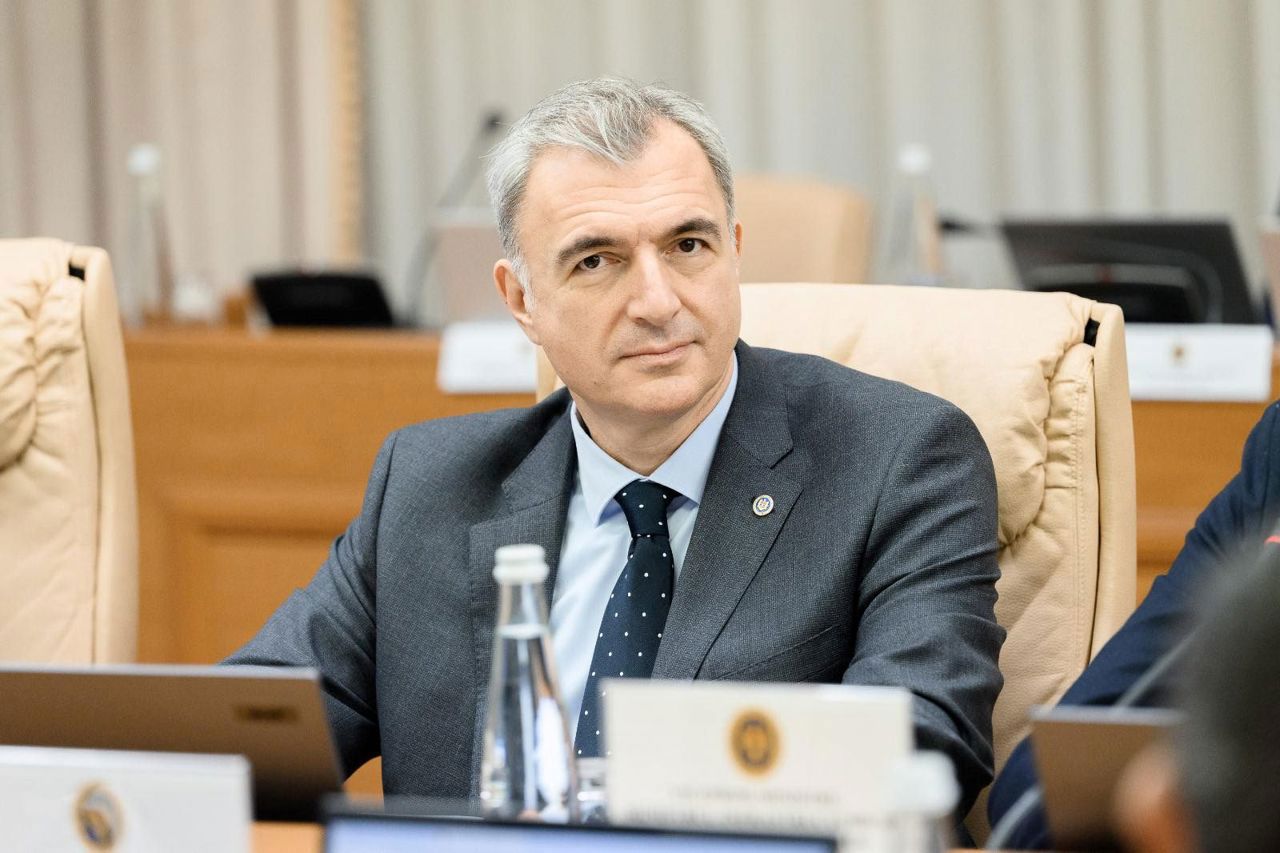
The Republic of Moldova could consider reunification with Romania if its path toward EU membership stalls after 2028, Deputy Prime Minister Eugen Osmochescu, Minister of Economic Development and Digitalization, said in an interview with Euractiv. The official described the scenario as “Plan B”, a proposal put forward as Chișinău pushes to open its first EU accession negotiation cluster while facing growing Russian hybrid pressure.
Osmochescu, who has held office since November 2025, described reunification with Romania as a possible option only if the EU accession process stalls after 2028.
"This is Plan B," he said, according to Euractiv.
Asked by Euractiv journalists whether such a move would reshape Moldova’s identity, he stressed that most Moldovans already maintain close cultural and family ties with Romania, while many also hold Romanian citizenship.
However, the official insisted that Chișinău’s main objective remains unchanged: signing an EU accession treaty by the end of 2028. Alternatives would receive serious consideration only if that process stalled.
The deputy prime minister’s remarks come as Chișinău discusses opening its first cluster of negotiation chapters and continues aligning its legislation with EU law.
Asked by Euractiv whether Moldova risks being held back because its accession bid remains linked to Ukraine’s, Osmochescu said enlargement should remain merit based. He added that Chișinău urgently needs tangible progress from Brussels.
"We need to send a signal to the public," he said, referring to Russian hybrid operations aimed at undermining support for European integration.
The first negotiation cluster could open on June 16
The official linked that signal directly to the institutional timetable: "If it happens in June, if we open the negotiations, that would send a clear signal. This is our goal."
The deputy prime minister also supported discussions on gradual, or "partial," integration, as recently proposed by German Chancellor Friedrich Merz.
According to him, "associate member" status would allow a candidate country to participate in meetings of EU leaders and ministers without voting rights. He argued that any intermediate step bringing Moldova closer to the EU would strengthen reforms and reassure voters.
Euractiv reports that the European Commission expects the first cluster of negotiation chapters for Moldova and Ukraine to open on June 16. According to diplomatic sources cited by Radio Free Europe/Radio Liberty and Veridica, the proposal will be presented at the General Affairs Council meeting on June 16 and confirmed by European leaders at the European Council Summit on June 18 and 19. The cluster covers the "Fundamentals" chapter, including the rule of law, fundamental rights, justice, and the functioning of democratic institutions.
Opening a cluster marks the transition from the screening phase to formal negotiations on chapters within a specific policy area. The full accession process includes 33 chapters grouped into six clusters, and opening each cluster requires unanimous approval from all 27 EU member states. The fact that the "Fundamentals" cluster opens first, even though it closes last, reflects the revised enlargement methodology, under which core reforms remain under scrutiny throughout the negotiations.
On security, Osmochescu acknowledged that Moldova lacks Ukraine’s military resilience. "We are not as resilient as Ukrainians. We do not have a military industry. We do not produce military equipment. We do not have an army comparable to Ukraine’s," he said.
Independent analysts focus less on opening negotiations and more on the speed of closing chapters. Accession negotiations already continue at the technical level, and the key question is how quickly and effectively Moldova can close the chapters, noted Andrei Curăraru. He emphasized the importance of Chișinău’s stated goal of joining the EU by 2030.
That target coexists with the 2028 objective cited by Osmochescu for signing an accession treaty. In practice, achieving either goal depends on the pace of domestic reforms, particularly in the justice system and the fight against corruption.