Moldova flash floods damage homes and infrastructure after storms
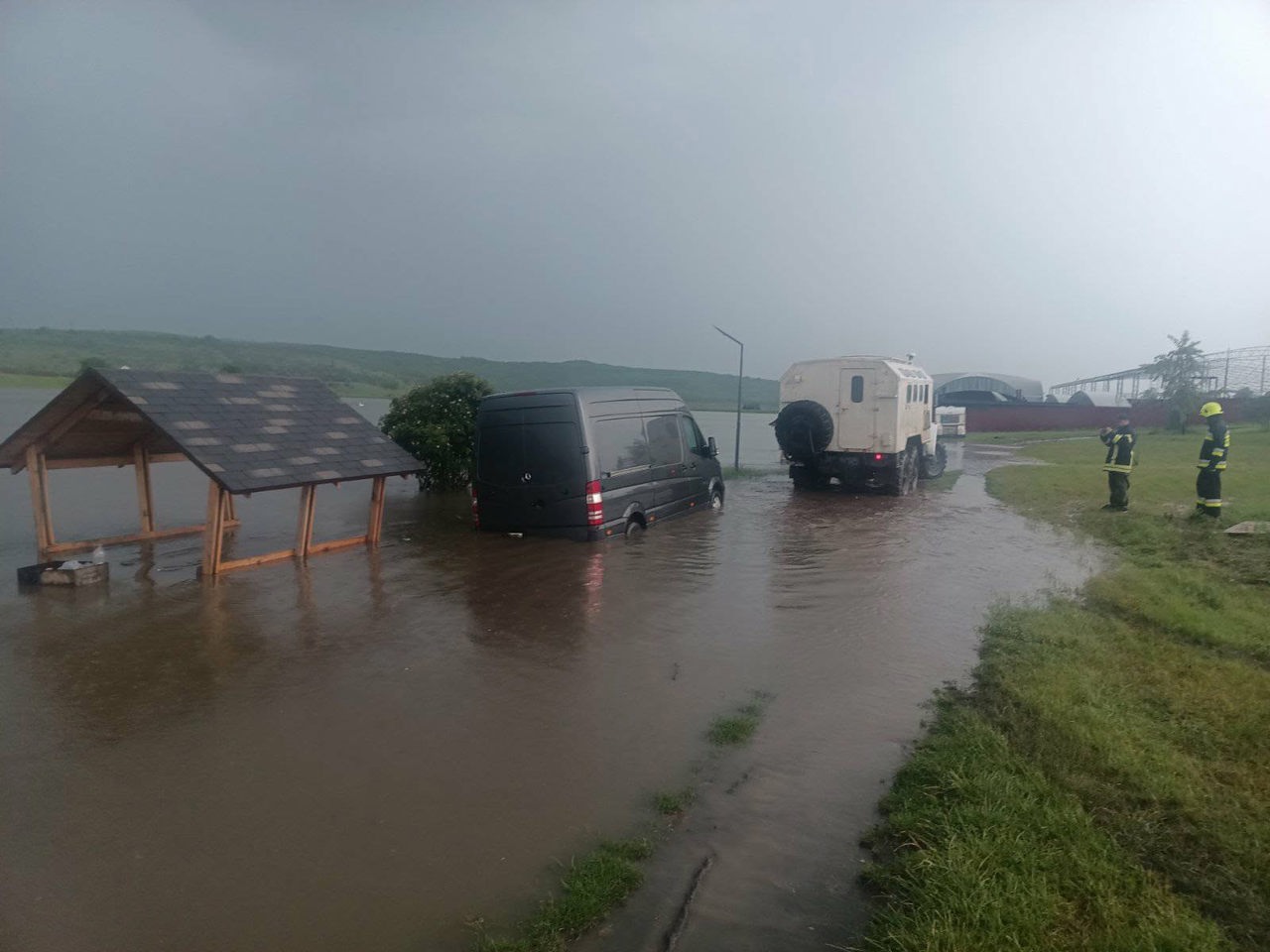
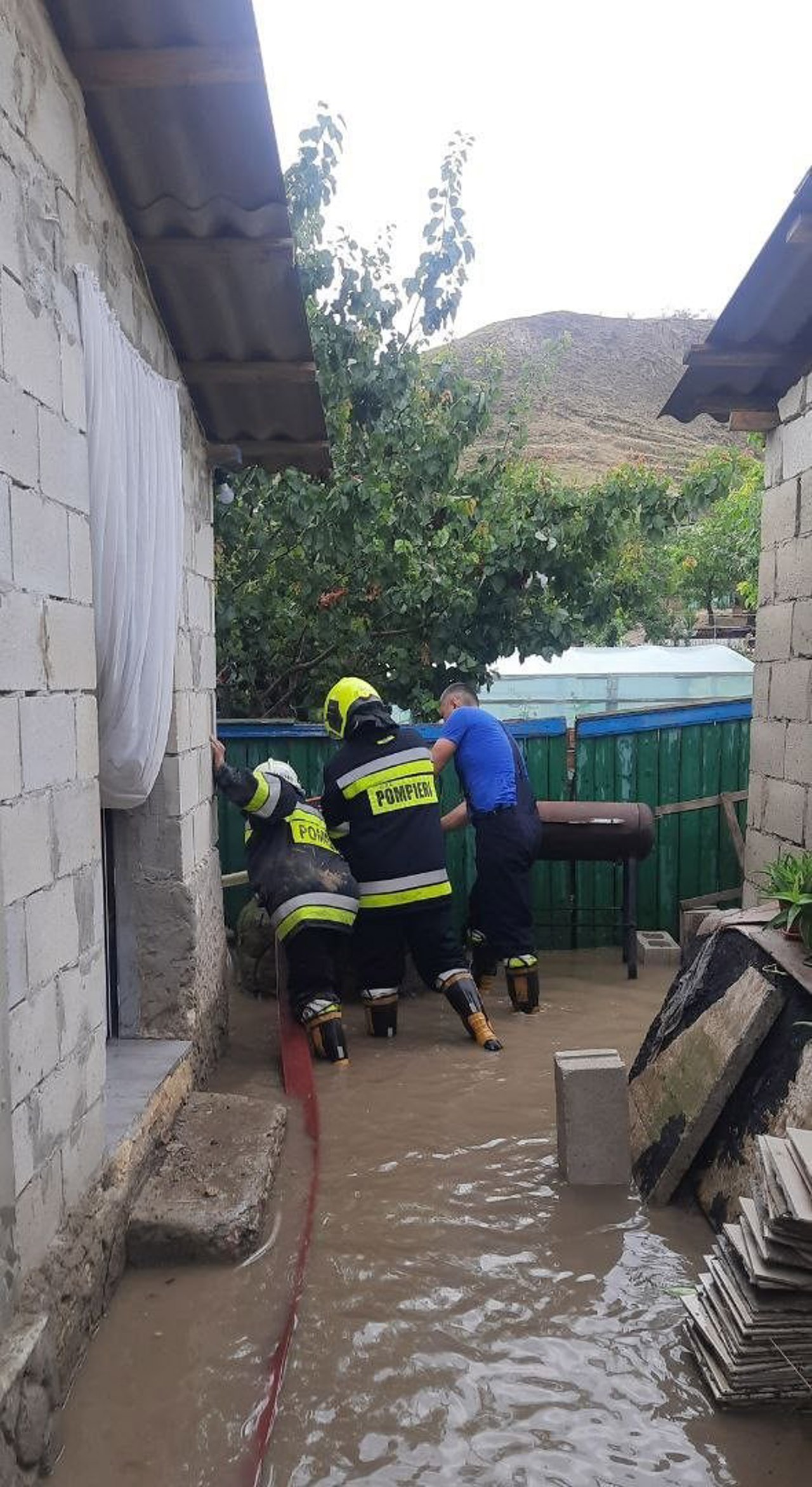
On June 7, 2026, torrential rains and high winds triggered flash floods across multiple regions in Moldova, prompting 37 emergency operations by the General Inspectorate for Emergency Situations (IGSU). Emergency crews focused primarily on draining water from residential properties, basements, and critical public infrastructure.
The IGSU deployed response teams to execute 31 major water-pumping operations across Strășeni, Nisporeni, Ialoveni, Telenești, Căușeni, and Drochia districts, as well as the municipalities of Bălți and Chișinău.
Regional emergency responses
In the Strășeni district, which recorded the highest volume of emergency calls, responders drained floodwaters from two residential basements and the Strășeni Law Court.
Operations in Nisporeni focused heavily on Vărzărești village, where crews evacuated approximately 80 cubic meters of water from flooded households and the local cultural center. Similar drainage efforts were completed within Nisporeni city.
In the Ialoveni district, severe downpours flooded ten properties and a drainage canal in Gangura village, requiring the extraction of 900 cubic meters of water. In Puhoi village, emergency teams pumped out over 80 cubic meters of water from inundated homes.
Capital and high-volume operations
Capital city Chișinău also required urgent intervention. IGSU crews extracted 400 cubic meters of water from a commercial basement on Mitropolitul Varlaam Street and 40 cubic meters from a household on Muncești Highway.
The largest single operation occurred in Pervomaisc village, Căușeni district. Rescuers drained 3,000 cubic meters of water from a home and three private gardens while reinforcing local drainage networks. Meanwhile, teams in Bălți cleared 36 cubic meters of water from a house and a garage.
Infrastructure damage and medical logistics
Beyond flood mitigation, high winds downed trees across several regions, blocking courtyards and damaging two vehicles in Bălți. Fallen trees also disrupted telecommunication lines in Cimișlia and Corbu village, Dondușeni district.
In the Anenii Noi district, IGSU personnel intervened to transport an emergency medical team through impassable roads in Batîc village. This logistical support ensured the successful evacuation of a patient to an ambulance.
Authorities continuously monitored hydrological risks in the Fălești and Ungheni districts throughout the day. While water overflowed a reservoir dam in Catranîc and a structural failure risk was confirmed at a dam in Măgurele, preventive measures successfully neutralized threats to nearby communities.
The General Inspectorate for Emergency Situations remains on high alert, urging citizens to monitor official advisories, avoid flood-prone zones, and report emergencies via the 112 hotline.
Translation by Iurie Tataru