Logistical disputes stall US-Iran diplomatic talks in Geneva
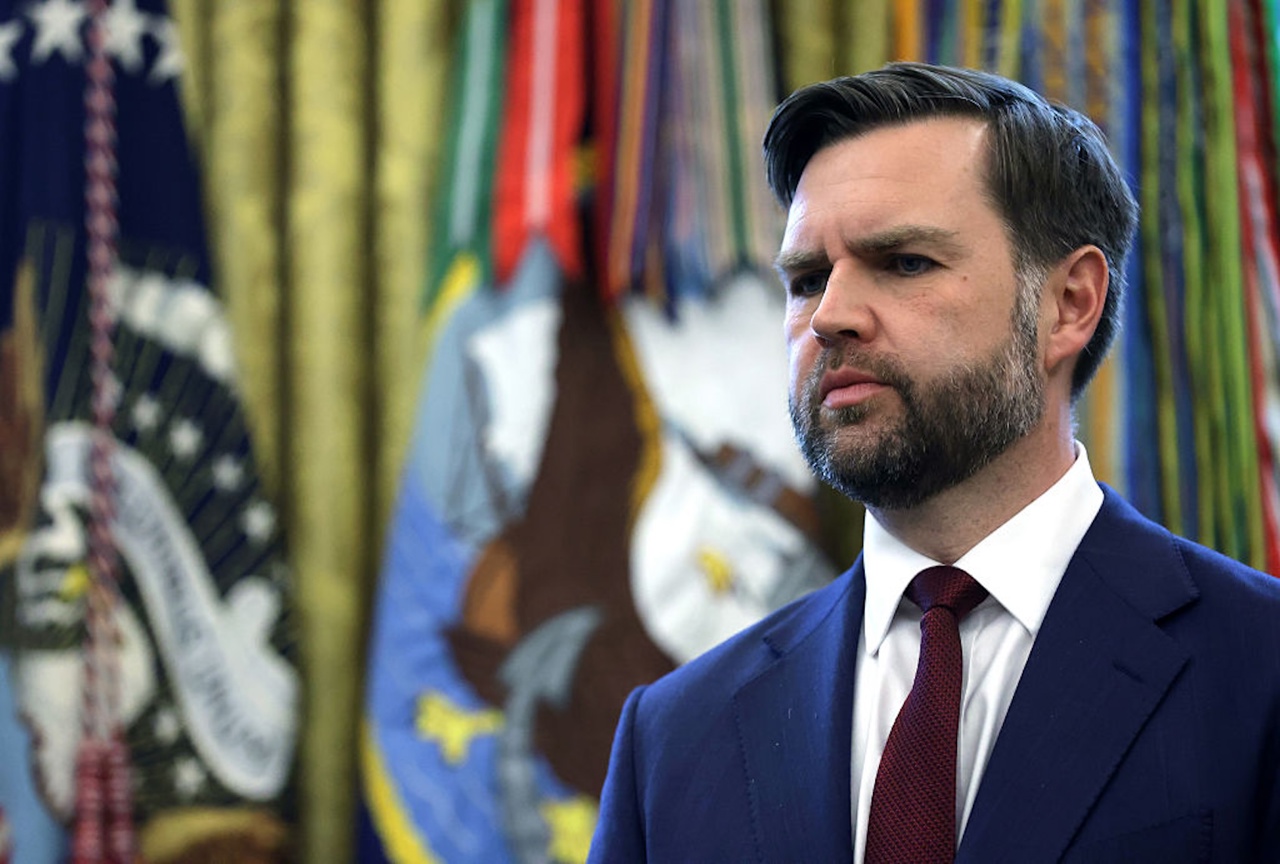
US Vice President JD Vance canceled his scheduled Friday trip to Switzerland to meet Iranian negotiators. The decision follows complications in launching talks to implement a 14-point agreement between Washington and Tehran, aimed at ending the war between the two nations.
White House officials previously announced a formal signing ceremony in Geneva. However, Iran’s Foreign Ministry questioned its necessity, noting that both presidents had already signed the accord on Wednesday.
Iran stated it remained ready for technical talks after both sides extended the truce by at least 60 days through the agreement.
Logistical hurdles stall diplomatic progress
The Tasnim news agency reported that Iranian negotiators require evidence of US implementation before opening new rounds of peace talks. Tehran had not confirmed whether its delegation would travel to Switzerland.
Vance and the US delegation were prepared to depart as soon as negotiation plans were finalized, the White House stated on Thursday evening.
"The logistics of these negotiations have never been simple or predictable," the official statement read.
The diplomatic friction over the ceremony underscores the deep uncertainty surrounding a lasting truce for a regional conflict that has claimed at least 7,000 lives.
Meanwhile, Israel remained excluded from the peace talks and distanced itself from the US-Iran agreement. Israeli forces continued combat operations against Hezbollah in Lebanon, further clouding the viability of the accord.
Khamenei claims Trump signed deal out of desperation
In Washington, several of President Donald Trump’s Republican allies in Congress questioned whether the administration made excessive concessions to end the highly unpopular conflict.
Trump previously insisted he would only accept an "unconditional surrender" from Tehran. However, the signed memorandum outlines economic sanctions relief, the unfreezing of tens of billions of dollars in assets, and immediate US waivers for Iranian oil exports.
Iran's Supreme Leader, Ayatollah Mojtaba Khamenei, stated that Trump signed the agreement "out of desperation." He signaled that future talks regarding Iran's nuclear program would face significant hurdles.
"If the American side chooses to be overdemanding, we will not accept it," Khamenei stated in a written message.
Initial military objectives remain unfulfilled
The current framework grants negotiators 60 days to reach an agreement on the status of Iran's nuclear program, unless both sides mutually agree to an extension. It also establishes a $300 billion reconstruction fund for Iran alongside other financial incentives.
Vance noted that Washington would additionally attempt to place caps on Iran's long-range missile capabilities.
When the US and Israel launched the military campaign nearly four months ago, Trump vowed to destroy Iran's nuclear infrastructure. His initial goals included halting Tehran's ability to attack its neighbors, stopping its support for regional anti-Israeli militants, and enabling regime change.
Trump signed the current agreement without achieving any of these initial strategic benchmarks.
Iran secures a stronger geopolitical position
Within the agreement, Iran reaffirmed its long-standing position that it does not seek to develop nuclear weapons.
Tehran accepted the on-site dilution of its highly enriched uranium stockpile and continued International Atomic Energy Agency inspections under the Non-Proliferation Treaty. However, it successfully rejected Trump's demand to move nuclear material out of the country.
US officials maintain that the ongoing negotiations could still yield a robust nuclear agreement. The goal remains to surpass the 2015 Joint Comprehensive Plan of Action, which Trump dismantled during his first presidential term.
Critics argue that Iran now holds a stronger position. Tehran resisted a superpower assault, maintained control over the Strait of Hormuz, and secured valuable sanctions waivers.
Translation by Iurie Tataru