A decade of Bregret: Far-right gains ground amid Starmer resignation
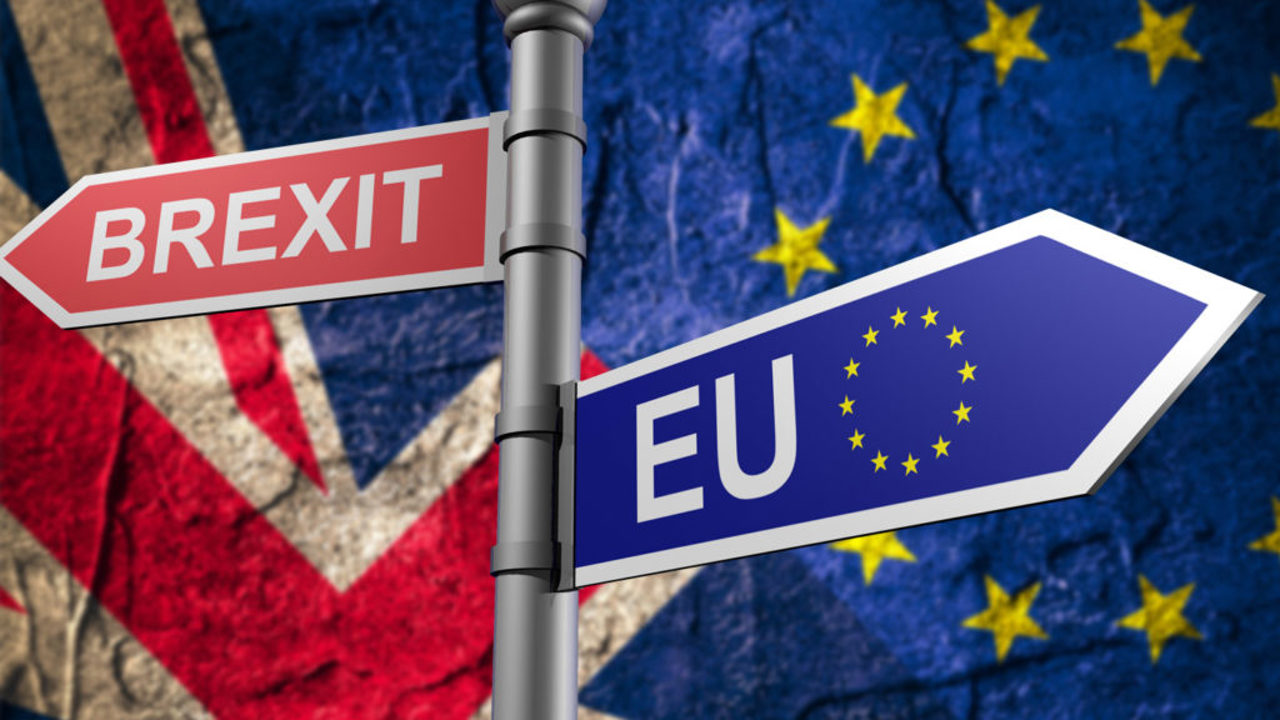
Tuesday, June 23, marks exactly one decade since the British electorate voted by a narrow majority to leave the European Union. Ten years after that intense and polarizing campaign, an increasing number of British citizens are seeking closer ties with Brussels, with some openly advocating for rejoined membership.
A high-profile EU-UK summit is scheduled for July 22 in Brussels, aiming to revive post-Brexit cooperation between London and the continent. However, severe political instability in the United Kingdom led to the resignation of Labour Prime Minister Keir Starmer on Monday. This political vacuum coincides with a milestone previously deemed unthinkable: the rapid electoral rise of the far-right.
The rising cost of British traditions
A decade ago, economists warned that the traditional English breakfast could become a luxury due to new trade barriers. Key ingredients, including tomatoes, beans, bacon, and sausages, heavily rely on EU imports.
Disruptions at customs led analysts to estimate a 13% price increase for these daily staples. This economic reality quickly transformed public perception, giving rise to the widespread term "Bregret"—a profound dissatisfaction with the consequences of the 2016 vote.
The paradox of British discontent
While approximately 60% of the British public now regrets leaving the EU, this resentment has taken a complex political turn. Instead of strengthening centrist politics, public anger has fueled support for Nigel Farage, the leader of the far-right Reform UK party.
Recent opinion polls suggest Reform UK leads the projections for the 2029 parliamentary elections. The British first-past-the-post electoral system, which historically sidelined smaller radical parties, now benefits Farage due to the collapse of Conservative support.
Xenophobic rhetoric, which originally centered on immigration during the 2016 referendum, has intensified over the last decade. Economic stagnation, rising inequality, and the decline of the National Health Service (NHS) have further exacerbated social divisions. Figures like Tommy Robinson have capitalized on this instability, organizing anti-immigration demonstrations across the country.
A more integrated European Union
If a new referendum were held today, remaining outside the EU would secure less than 40% of the vote. The initial promises of a "Global Britain" capable of reclaiming imperial-era influence have vanished amid geopolitical isolation and ongoing global conflicts.
Instead of achieving total regulatory freedom, British trade policy has gradually shifted toward a dynamic alignment with EU standards to sustain economic viability. Furthermore, the end of free movement for EU citizens inadvertently resulted in a sharp net increase in immigration from Commonwealth nations.
Meanwhile, the geopolitical landscape of the continent has fundamentally changed. As noted by The Economist, the absence of British free-market opposition has left the EU more integrated and significantly influenced by French state-driven policies.
French President Emmanuel Macron has championed deeper institutional integration, even proposing to extend France's nuclear deterrent capabilities over the entire European continent. For the United Kingdom, re-engaging with Europe increasingly appears to be the only viable solution to navigate its current isolation.
Translation by Iurie Tataru