Opposition challenges PrePay card registration rules
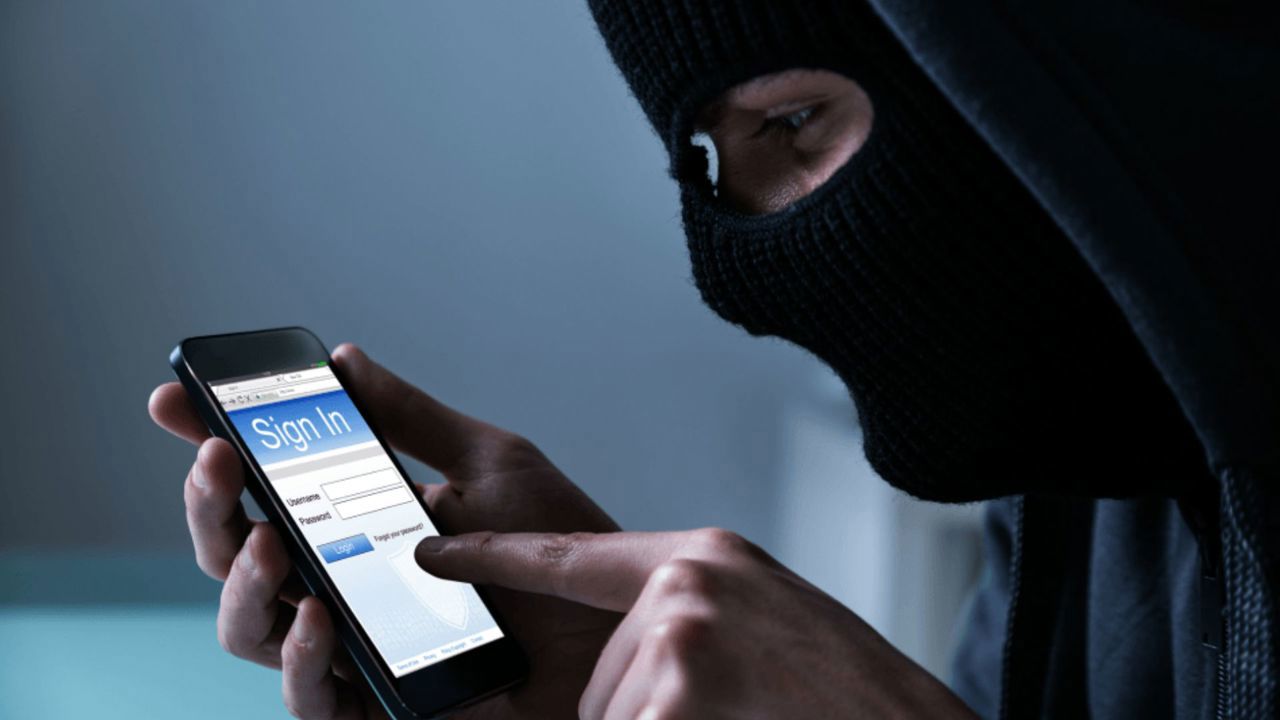
The Electronic Communications Law was updated to include a provision for identifying PrePay card users. These cards will only be activated after the user has provided an identity document for verification.
A draft amendment regarding electronic communications was voted on in the first reading by Parliament on June 26.
Valentin Cioclea, Secretary General of the Ministry of Internal Affairs (MAI), stated that the purpose of the draft is not to restrict citizens' access to electronic communications services but to eliminate a significant vulnerability: the ability to use a phone number anonymously.
Currently, mobile operators are not legally required to collect and verify prepaid users' identities, so they cannot provide this information to the relevant authorities. As a result, individuals can purchase phone numbers and use them without any way to trace who is behind them. This loophole is particularly exploited in cases of telephone fraud, online scams, false bomb threats, and other illegal activities.
Cioclea also clarified that the legislative amendment does not prohibit prepaid cards nor limit their marketing. “Citizens will still be able to purchase these services; the only difference is that activation will only occur after the user is identified,” he explained.
During the discussions, MP Dinu Plîngău raised concerns about how the authorities would address the potential effects of this project, particularly if a black market for card sales emerges. In response, Cioclea stated, “Regardless of the actions of those who purchase a larger number of cards, we will already have a starting point to investigate these cases.”
MP Constantin Cuiumju criticized the transitional period for registering cards, pointing out that in Poland, the registration period is limited to seven months, whereas in the Republic of Moldova, it has been set at 12 months. He emphasized that this measure only affects new cardholders and does not apply to existing users.
“You created a law that serves no real purpose. As a result, 1.6 million prepaid subscribers will not be required to register under your project,” the MP stated.
In response, the MAI secretary sad, “While we are not opposed to reducing the 12-month period, we need to consider whether economic agents will have the capacity to comply with the requirement within three or four months, as you suggest.”
A draft law will soon be proposed to Parliament for consideration during the second reading. The proposed 12-month transition period will allow operators to adjust their internal systems, develop remote digital identification solutions, and allocate the necessary resources to comply with the new requirements.
Statistics show that there are nearly 1.6 million active prepaid SIM cards in the Republic of Moldova, accounting for 42.7% of all mobile connections. Authorities claim that the anonymity these cards provide is often exploited for fraud, scams, and false emergency calls.
In 2025 alone, there were 1,190 false bomb threats and abusive calls made to emergency services. Due to difficulties in identifying the perpetrators, only 1 in 29 cases reached court.
Over the past five years, financial scams, including schemes such as the "relative involved in the accident" fraud, have victimized numerous individuals. Authorities state that these frauds are frequently facilitated by fake accounts created on platforms such as Viber, WhatsApp, and Telegram using anonymous phone numbers.
Additionally, prepaid SIM cards have been implicated in border smuggling activities, including the remote control of drones via mobile networks. In the last five years, 129 such incidents have been documented.