Cultural resilience takes center stage on Moldova's Costume Day
The National Museum of Ethnography and Natural History hosted National Costume Day to promote authentic cultural traditions and safeguard local heritage. Visitors examined historic garments, including traditional embroidered blouses known as ii and woven skirts known as catrințe. State officials emphasized that the annual event serves to reconnect the public with ancestral identity.
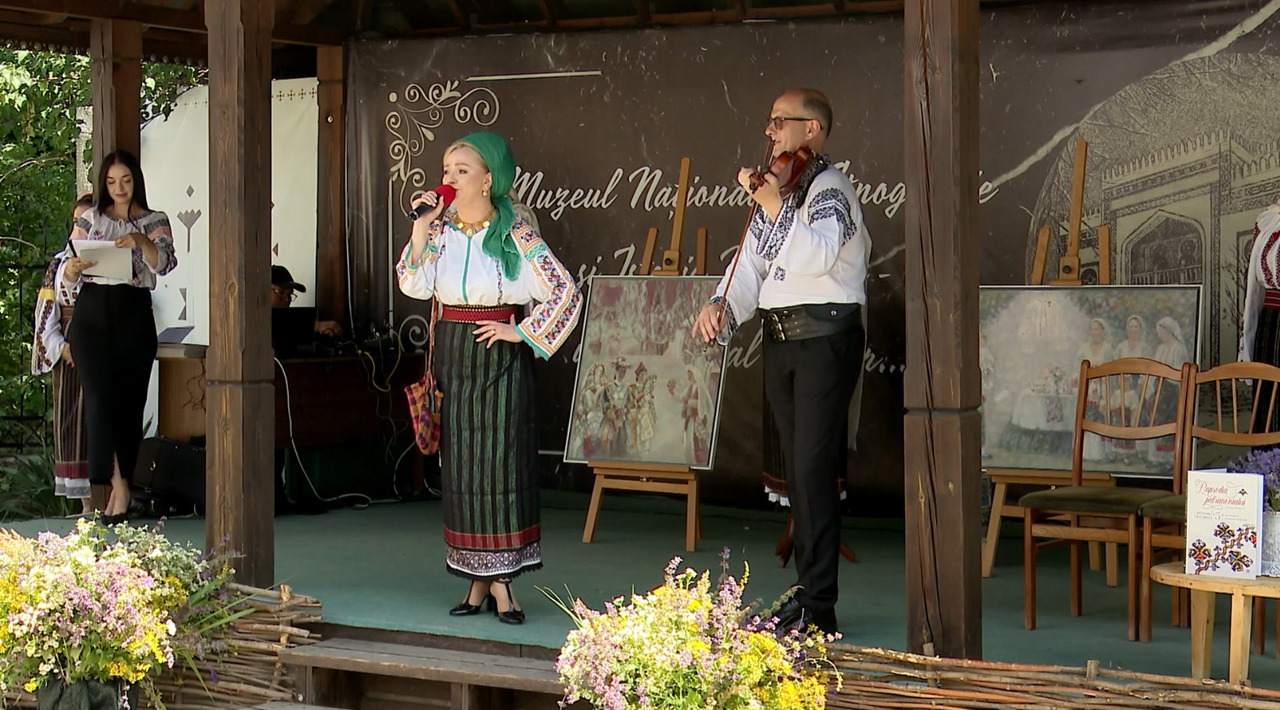
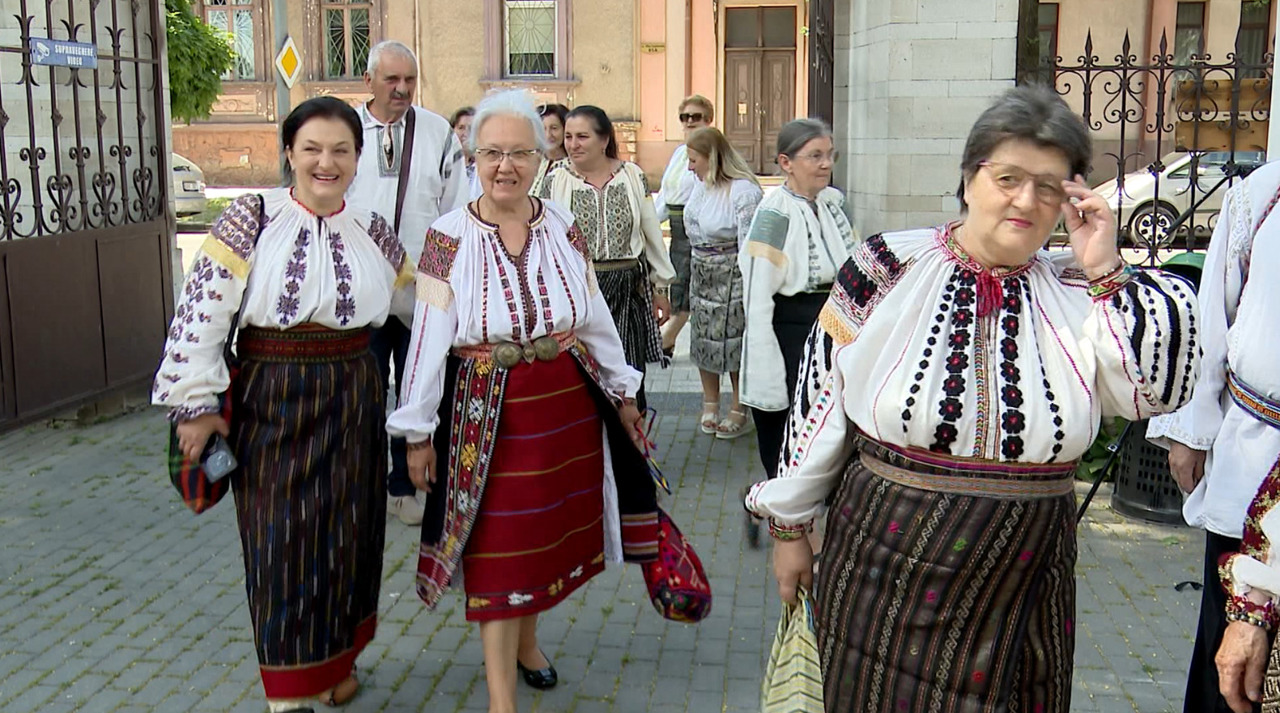
Folklore performers remain the primary ambassadors of authentic national attire. People's Artist Ioana Căpraru stated that cultural figures carry a profound obligation to preserve these garments and transmit them to younger generations. Concurrently, fellow performer Arsenie Botnaru noted that while historical forces previously sought to fragment national unity, the survival of these designs represents a triumph for local identity.
The resurgence of traditional garments is heavily driven by local artisans, including 84-year-old Tatiana Popa. Popa manages an extensive collection of authentic blouses dating back to the 1920s in the village of Palanca. She operates local workshops to ensure children learn ancestral weaving and sewing techniques.
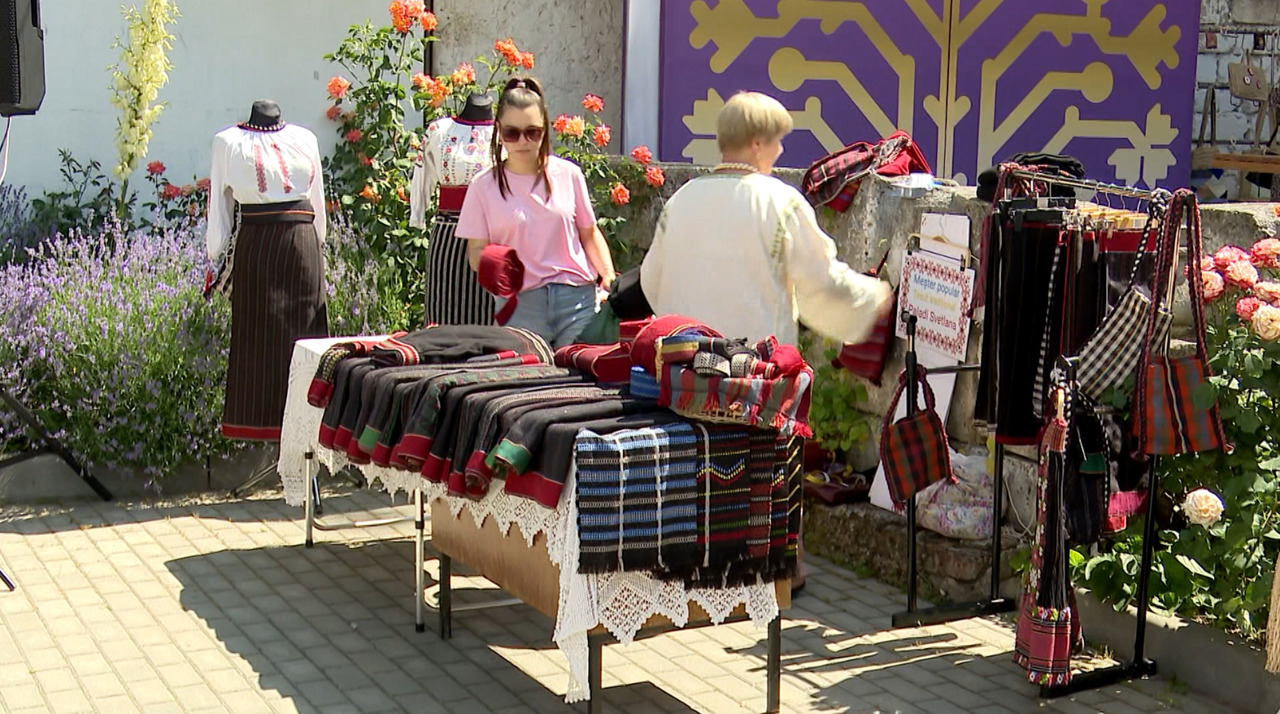
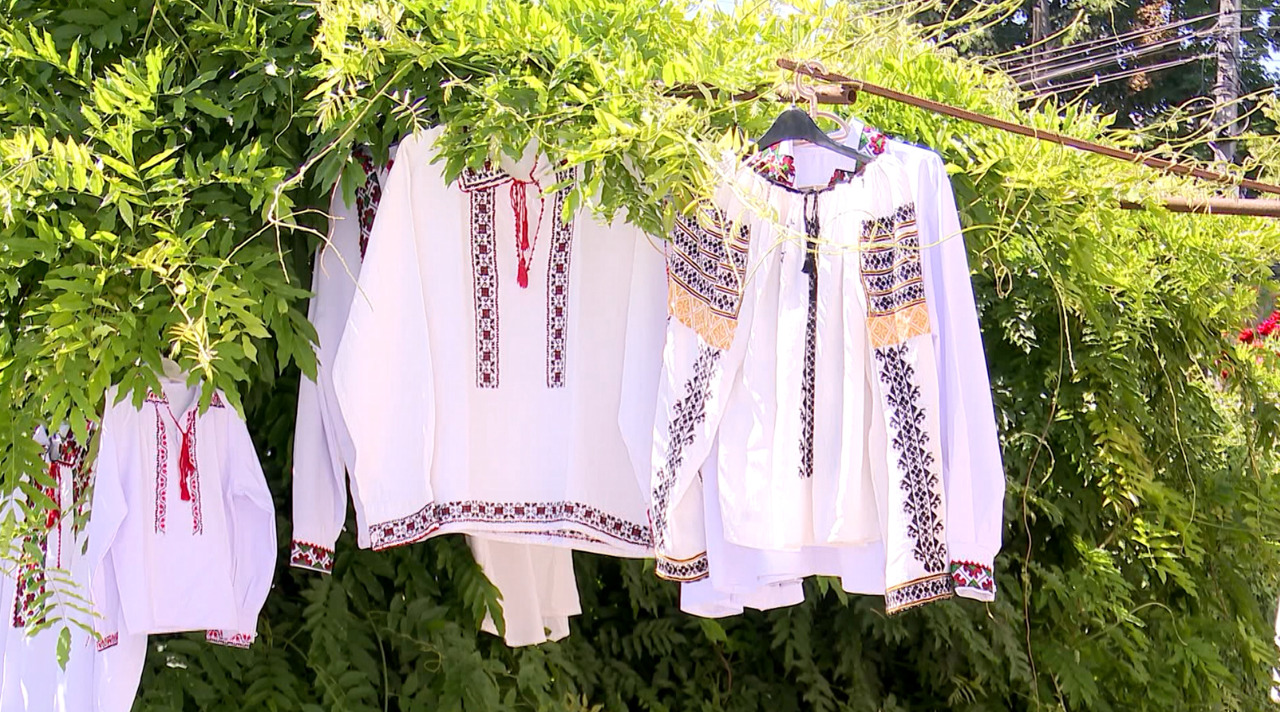
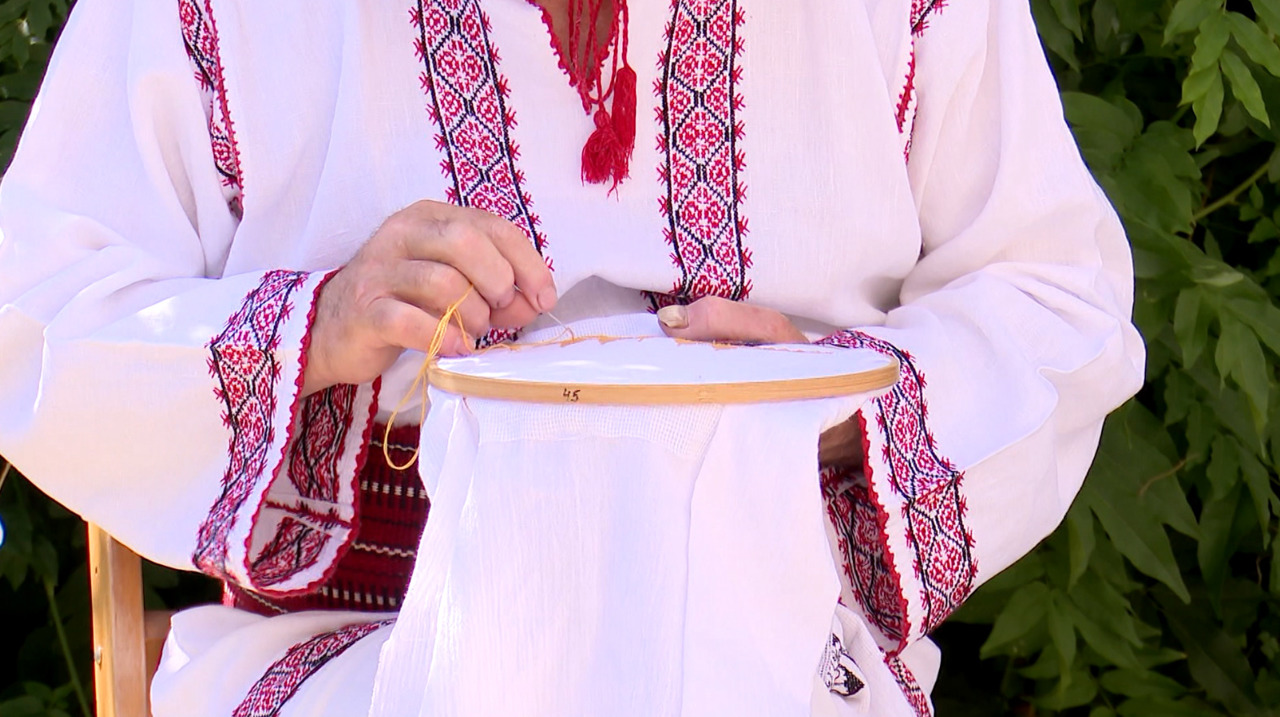
Historical struggles are directly woven into the garments crafted by modern artisans. Weaver Elena Lupașcu recently restored a historical blouse that was once displayed in a memorial dedicated to Soviet mass deportations. A Moldovan woman deported to Siberia originally stitched the garment, clandestinely incorporating the colors of the national tricolor flag into the embroidery.
Community organizations are also institutionalizing these crafts through research and documentation. Diana Roșca, founder of the Ciocârlia cultural group in Ialoveni, recently published a comprehensive album documenting five years of textile preservation. Roșca noted that the project successfully built a sustainable community focused on creating and passing down authentic garments.
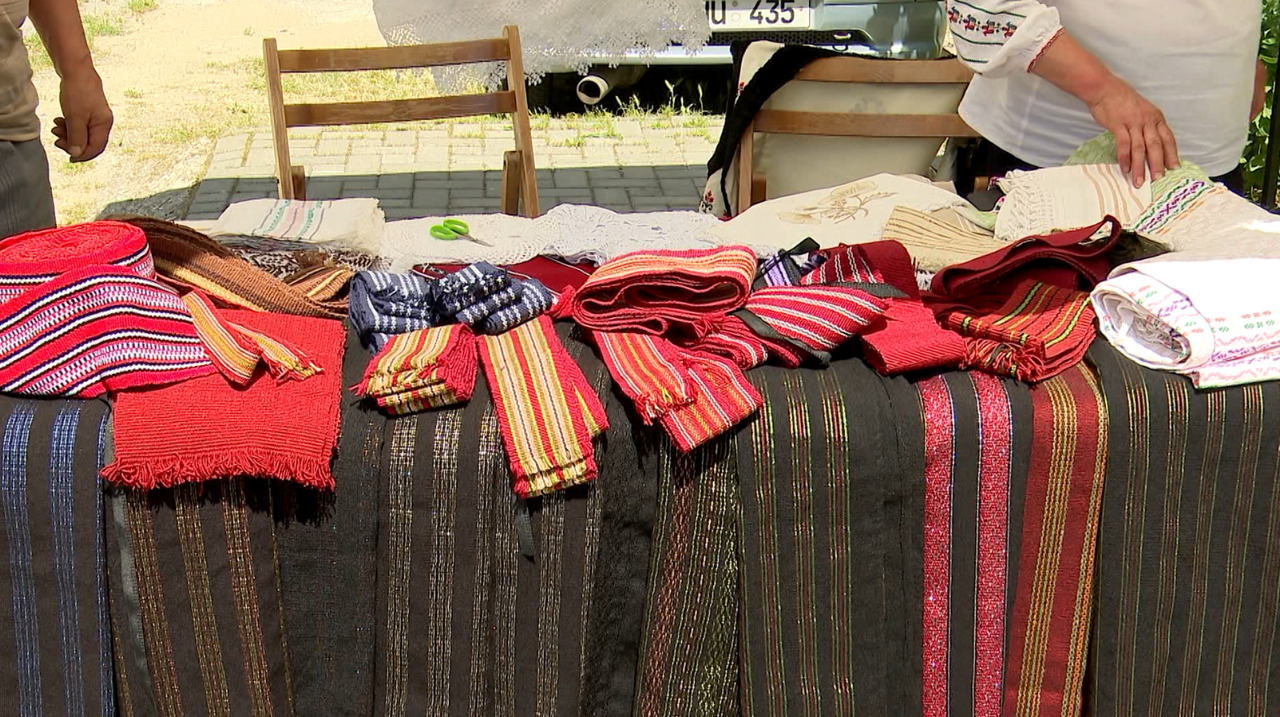
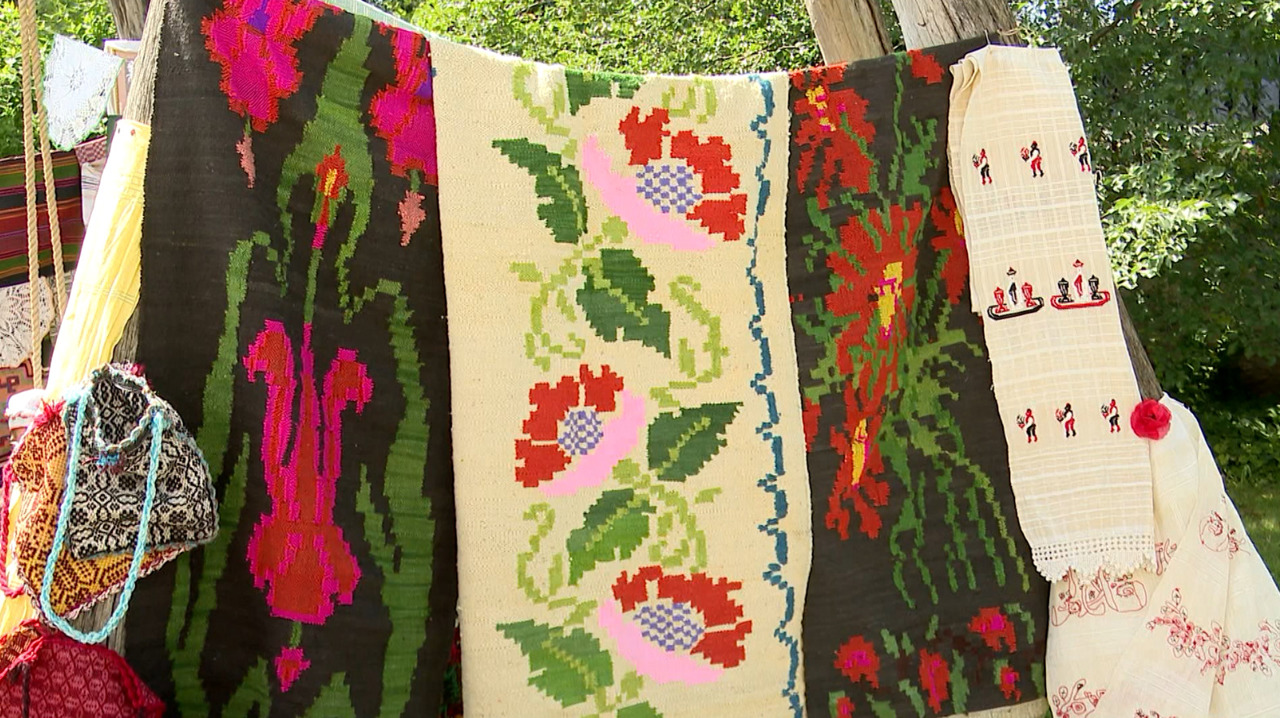
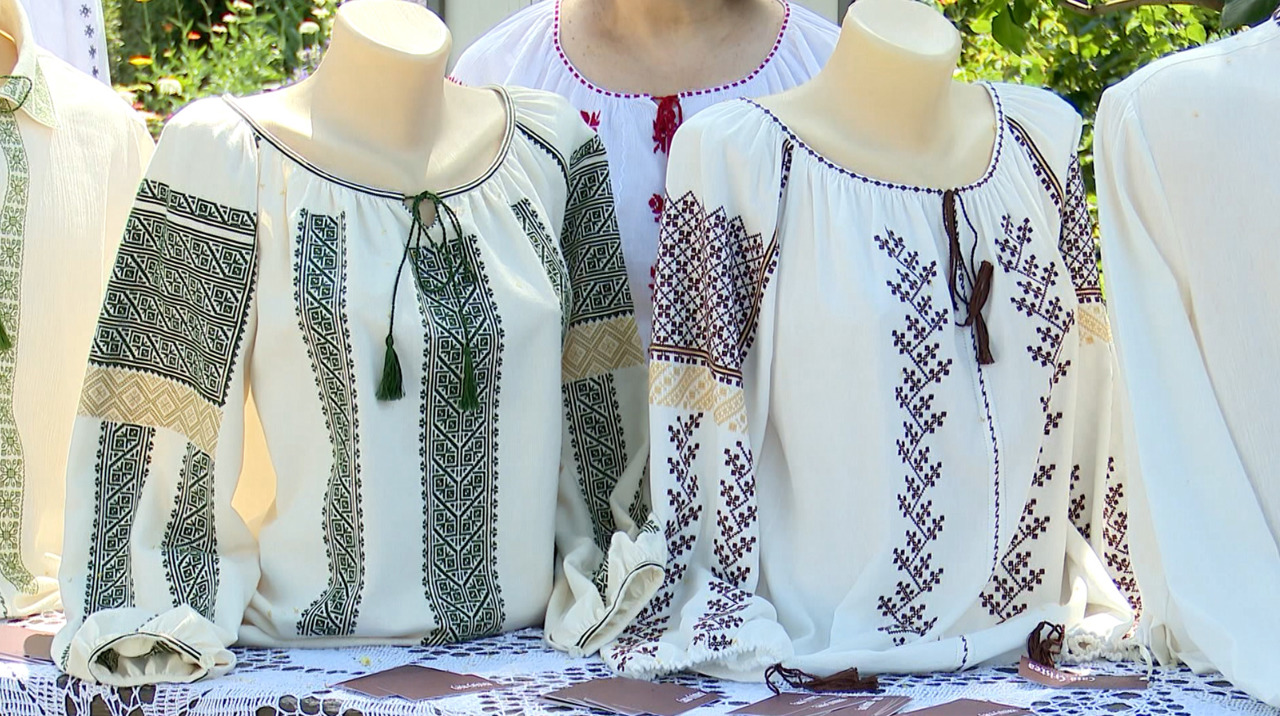
The celebration took place in the courtyard of the National Museum, the historical site of Moldova's earliest cultural sewing circles. Museum Director Petru Vicol observed that traditional attire has experienced a significant modern resurgence due to coordinated state and community efforts. Vicol concluded that citizens are increasingly knowledgeable about the historical value of the UNESCO-recognized Romanian blouse embroidery.
The Parliament of the Republic of Moldova officially instituted National Costume Day as a nationwide celebration in 2016.
Translation by Iurie Tataru