Chișinău rejects immediate Romania merger to focus on EU goals
Moldova’s reunification with Romania is not on the government's active agenda, as authorities remain entirely focused on the European Union accession process.
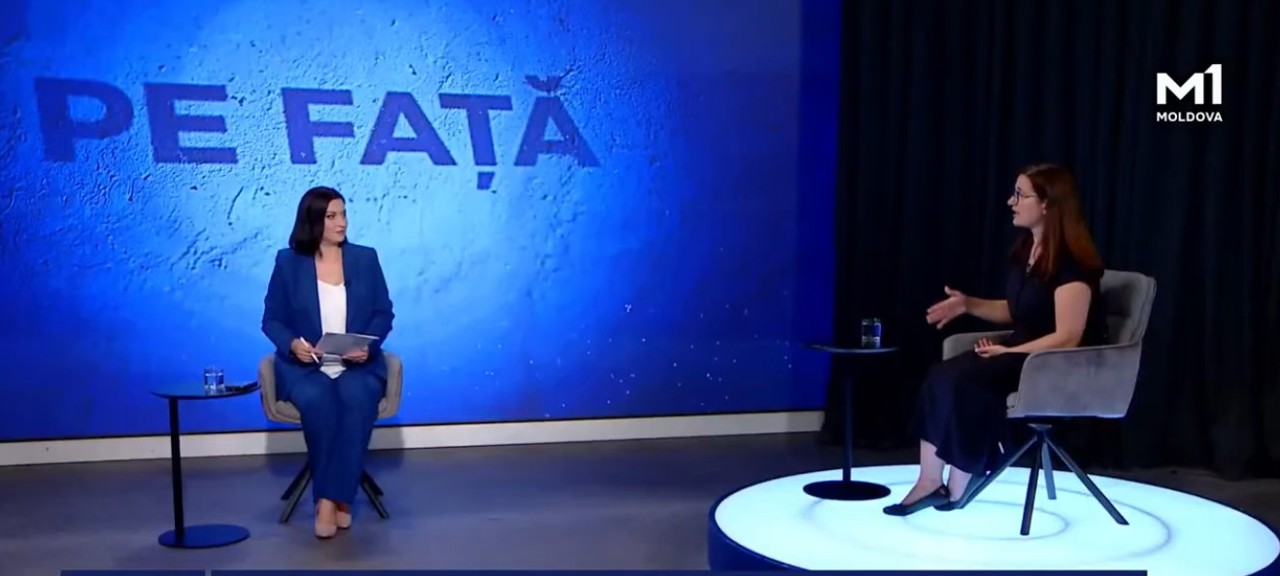
Deputy Prime Minister for European Integration Cristina Gherasimov stated during a public broadcast on state television channel Moldova 1 that all state efforts center on EU integration.
The statement addresses ongoing domestic public debates suggesting a merger with Romania could accelerate Moldova's European path.
Democratic framework and public consensus
Gherasimov emphasized that the current political majority supports European integration, and the government is actively working toward this goal.
Any future decision regarding a potential unification with Romania would require an explicit public majority and democratic mechanisms, the minister noted.
Authorities will exclusively pursue policy priorities that currently command broad domestic public backing.
Strategic timelines and contingency options
The debate comes amid shifting regional dynamics driven by the war in Ukraine.
In April 2026, President Maia Sandu noted in an interview with French newspaper Le Monde that while a merger could accelerate EU entry, it remains a choice only citizens can make.
Sandu reaffirmed that Moldova's primary target is to achieve full readiness for European Union membership by 2030.
Economic alternatives and hybrid pressures
In early June, Economic Development and Digitalization Minister Eugeniu Osmochescu outlined a parallel strategic perspective to European outlet Euractiv.
Osmochescu suggested that reunification with Romania could serve as a viable contingency option if EU negotiations stall past 2028.
However, the official maintained that signing the EU accession treaty by the end of 2028 remains the definitive objective for the current administration.
Translation by Iurie Tataru