Moldova exports 90% of honey output to EU under strict compliance
Honey exports from the Republic of Moldova continue to expand across European markets, driven by deeper trade integration. Out of a total national production of approximately 5,000 metric tons last year, local producers exported over 4,500 metric tons directly to the European Union (EU). This volume represents a significant increase of nearly ten percent compared to the 2024 fiscal year.
The total value of these international honey deliveries reached approximately €12.42 million. Industry experts attribute this commercial success to the stringent quality and safety standards maintained by Moldovan apiaries.
Trade integration drives agricultural scaling
This export growth highlights the structural impact of the Deep and Comprehensive Free Trade Area (DCFTA) signed between Moldova and the EU in 2014. The agreement allowed multi-generational family businesses to scale up operations and secure long-term Western partnerships.
According to Vitalie Popa, president of the national Honey Exporters Association, local enterprises have transitioned to institutional supply models. His organization alone secures steady annual shipments of 300 to 400 metric tons to partners in Italy, translating to an annual logistics volume of 20 to 22 fully loaded cargo trucks.
Strict standardization and ecological value
To clear European customs, every honey batch undergoes meticulous quality control assessments. The products must strictly comply with EU frameworks governing food safety, labeling, traceability, and laboratory certification.
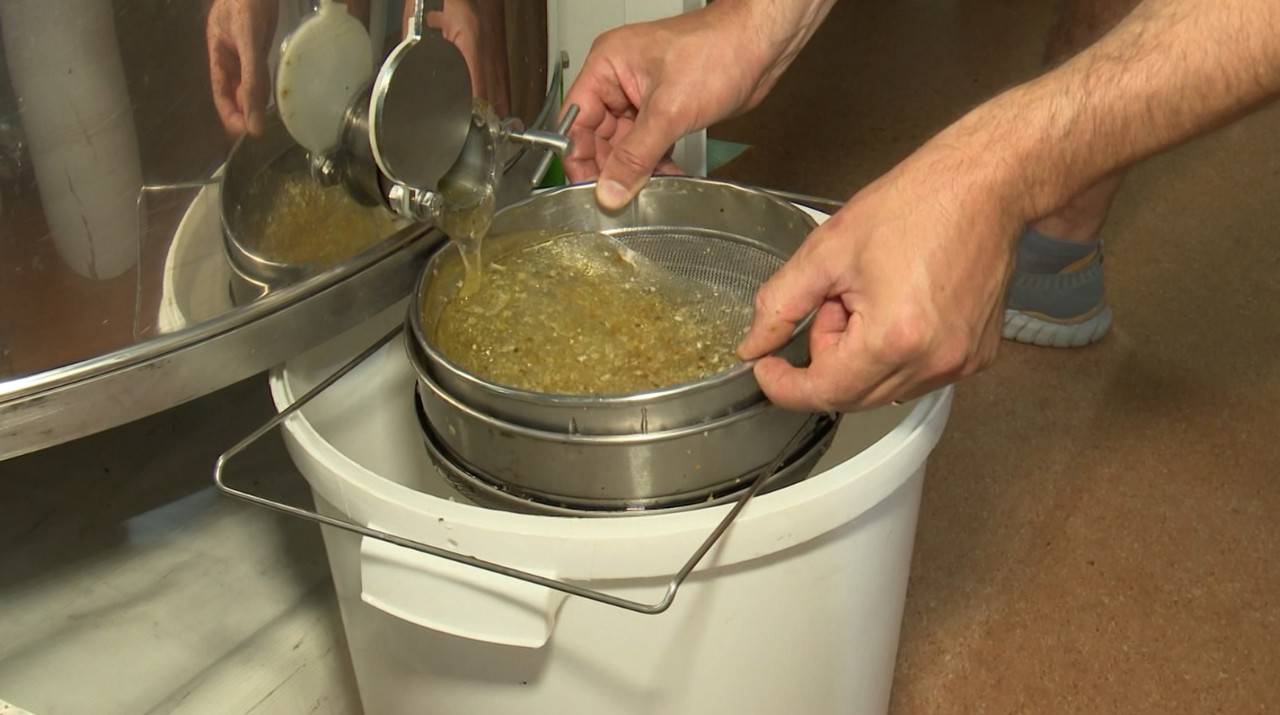
During the peak collection season, processing workflow optimization remains vital, as a single healthy hive yields up to 50 kilograms of honey. Raw honey goes through multi-stage stainless steel filtration and automated preservation phases to eliminate wax, propolis, and organic impurities before final packaging.
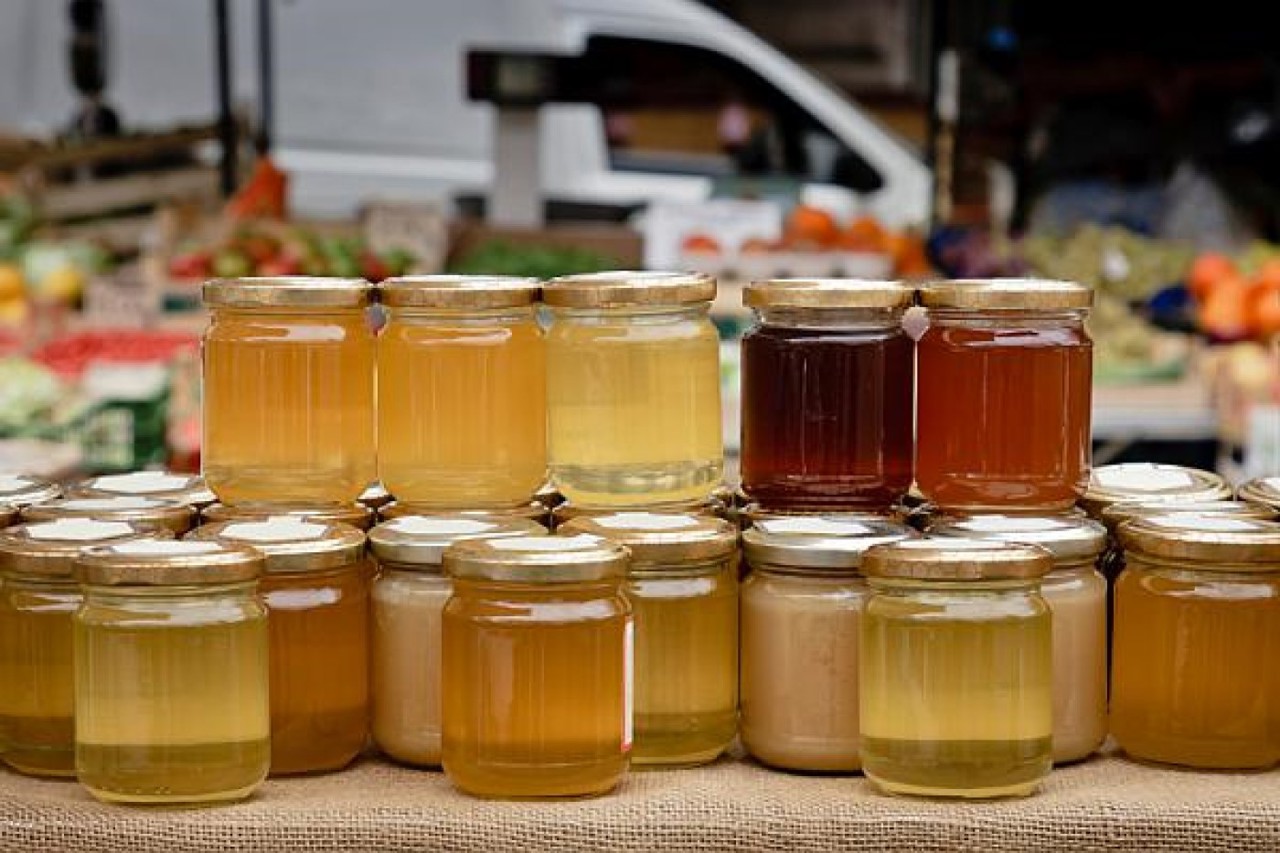
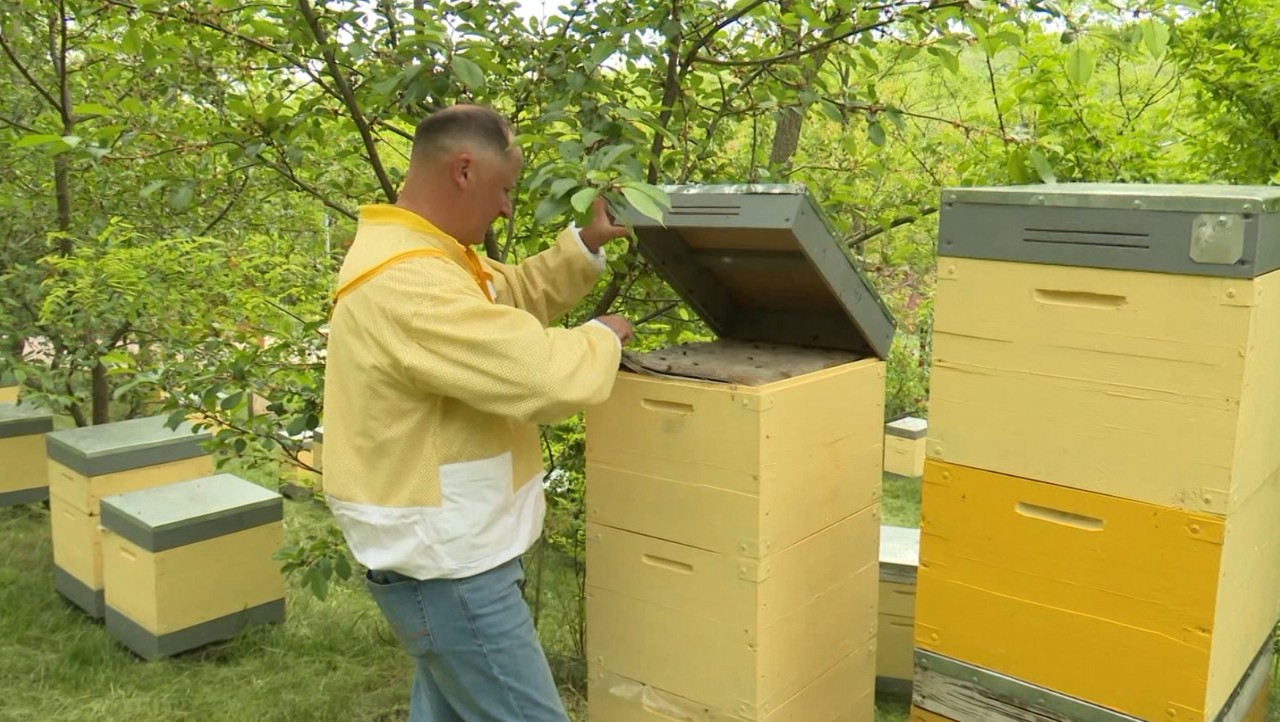
In addition to traditional linden, acacia, and polyfloral honey varieties, international buyers increasingly request premium secondary products such as pollen, royal jelly, and beeswax. Producers emphasize that safeguarding bee populations remains an ecological priority, given that these insects actively pollinate between 70% and 80% of global plant species.
Translation by Iurie Tataru