NATO leaders face budget strains and Ukraine aid debates at summit
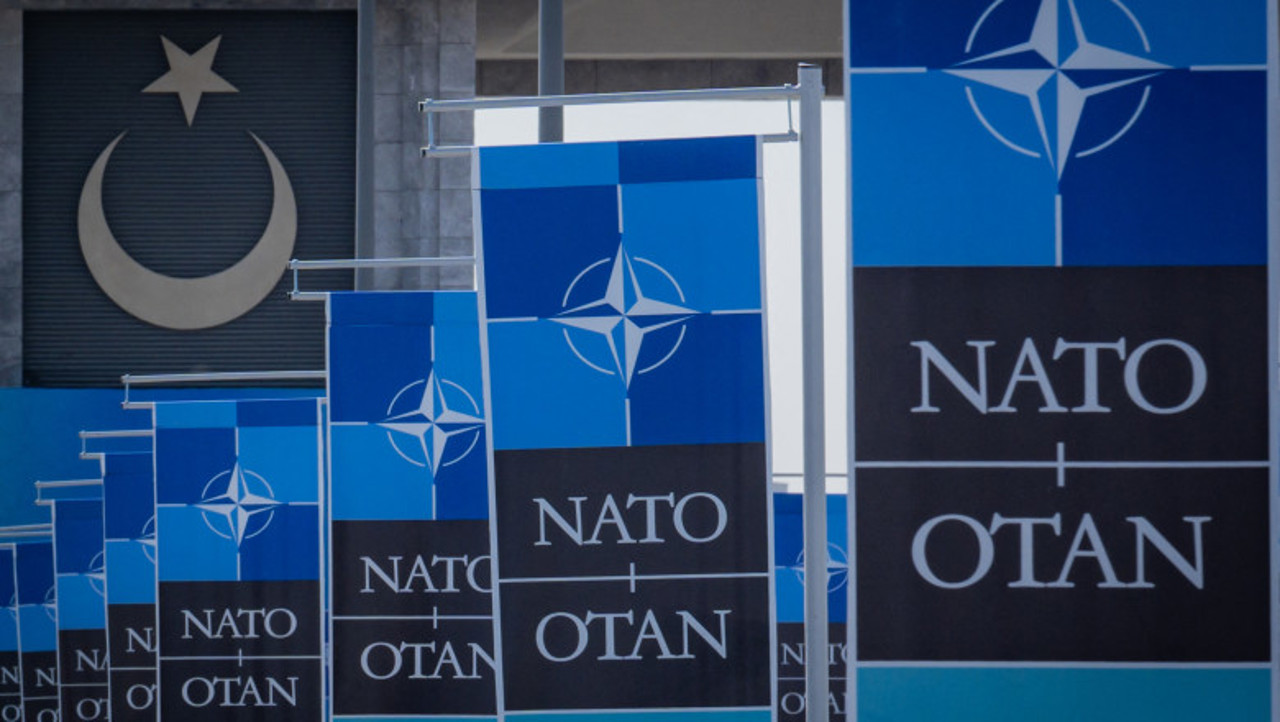
US President Donald Trump received a pivotal phone call from Russian President Vladimir Putin on Saturday, July 4. While ostensibly placed to extend congratulations on the upcoming US semiquincentennial, analysts view the call as a strategic probe. Putin is reportedly facing mounting operational pressures in the Ukraine campaign and sought to gauge Trump’s current stance ahead of the annual NATO leaders' summit, scheduled for July 7-8 in Ankara, Turkey.
Financial commitments will dominate the agenda in Ankara. All NATO member states, except Spain, have pledged to allocate 5% of their GDP to defense by 2035, though eastern flank members are pushing for an accelerated timeline.
Several allies continue to lag behind their spending targets. British Prime Minister Keir Starmer arrives at the summit weakened as a caretaker leader following his resignation to make way for rival Andy Burnham, while the UK’s defense funding trajectory remains below its alliance commitments.
Strategic spending and transatlantic repairs
Critics argue the summit will focus almost entirely on accounting. European allies hope to leverage these defense commitments to repair strained relations with Donald Trump. Transatlantic ties have cooled following Europe's hesitation to back US strikes on Iran and Washington’s subsequent warnings regarding the relocation of US capabilities from the continent.
European leaders will highlight an additional €139 billion spent on defense this year by non-US members. The alliance aims to demonstrate a commitment to bearing the continental defense burden through new multi-billion-dollar procurement agreements.
Meanwhile, Canada intends to use the event to recruit around 10 founding members for a global defense bank. The initiative, championed by Prime Minister Mark Carney as part of a middle-powers alliance, has so far only secured public backing from Luxembourg.
Budgetary conflicts and the shadow of Trump
Long-term European defense capabilities remain tied to the European Union’s next Multiannual Financial Framework (MFF). The long-term budget is currently the subject of intense friction between net contributors and net beneficiaries.
Donald Trump remains the central focus of the gathering. NATO Secretary General Mark Rutte recently resorted to strategic flattery, publicly referring to Trump as "Daddy."
To maintain the US President's engagement, planners have restricted the summit to a single three-hour session. This schedule leaves Trump with ample time for bilateral talks with Ukrainian President Volodymyr Zelensky, a prospect causing visible concern in Moscow.
Military aid expectations for Ukraine
President Zelensky expects to secure a military aid package valued at approximately €140 billion. The framework proposes €70 billion for this year and an equal amount for the next.
This funding incorporates the €60 billion military aid package the European Union committed to Kyiv for 2026 and 2027. The loan will be financed by EU member states, with Hungary, the Czech Republic, and Slovakia standing as the sole dissenters.
Domestic political friction will complicate the implementation of these agreements. Pro-Russian Slovak Prime Minister Robert Fico has warned that Slovakia will oppose this military financing mechanism.
Fico insisted that the Slovak delegation attend the summit without a mandate to support additional military loans or financial contributions for Ukraine.
Similar concerns previously surrounded the Czech stance. However, the government in Prague authorized President Petr Pavel's summit attendance following a decisive Constitutional Court ruling that resolved a delegation dispute between the President and pro-Russian Prime Minister Andrej Babiš.
Translation by Iurie Tataru