€1M dam built on the Prut River in Ungheni
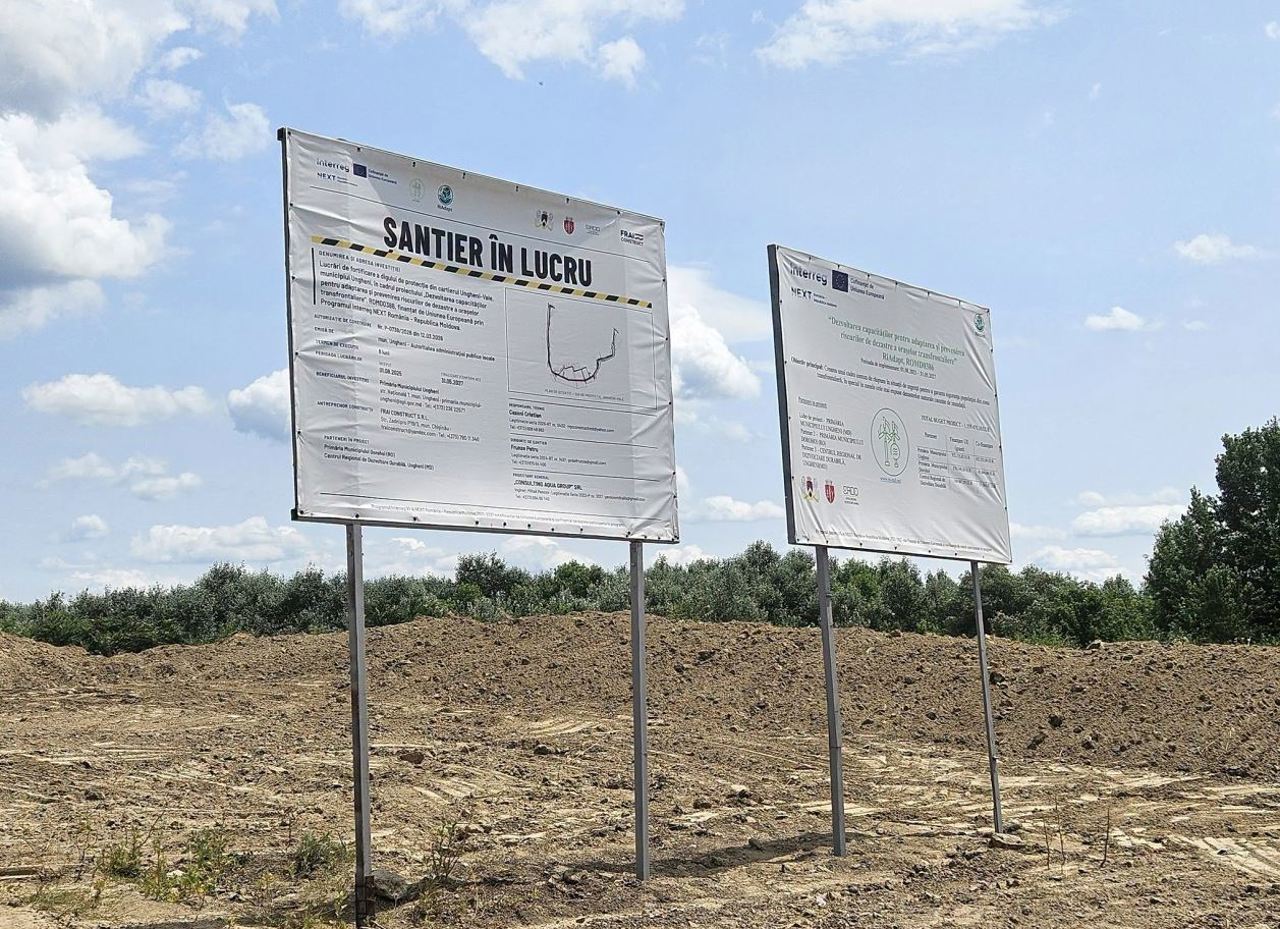
Flood protection and new recreational space in Ungheni: Local authorities began efforts to reinforce the dam along the Prut and its Delia tributary. This investment aims to secure the area while also creating an attractive destination for both residents and visitors.
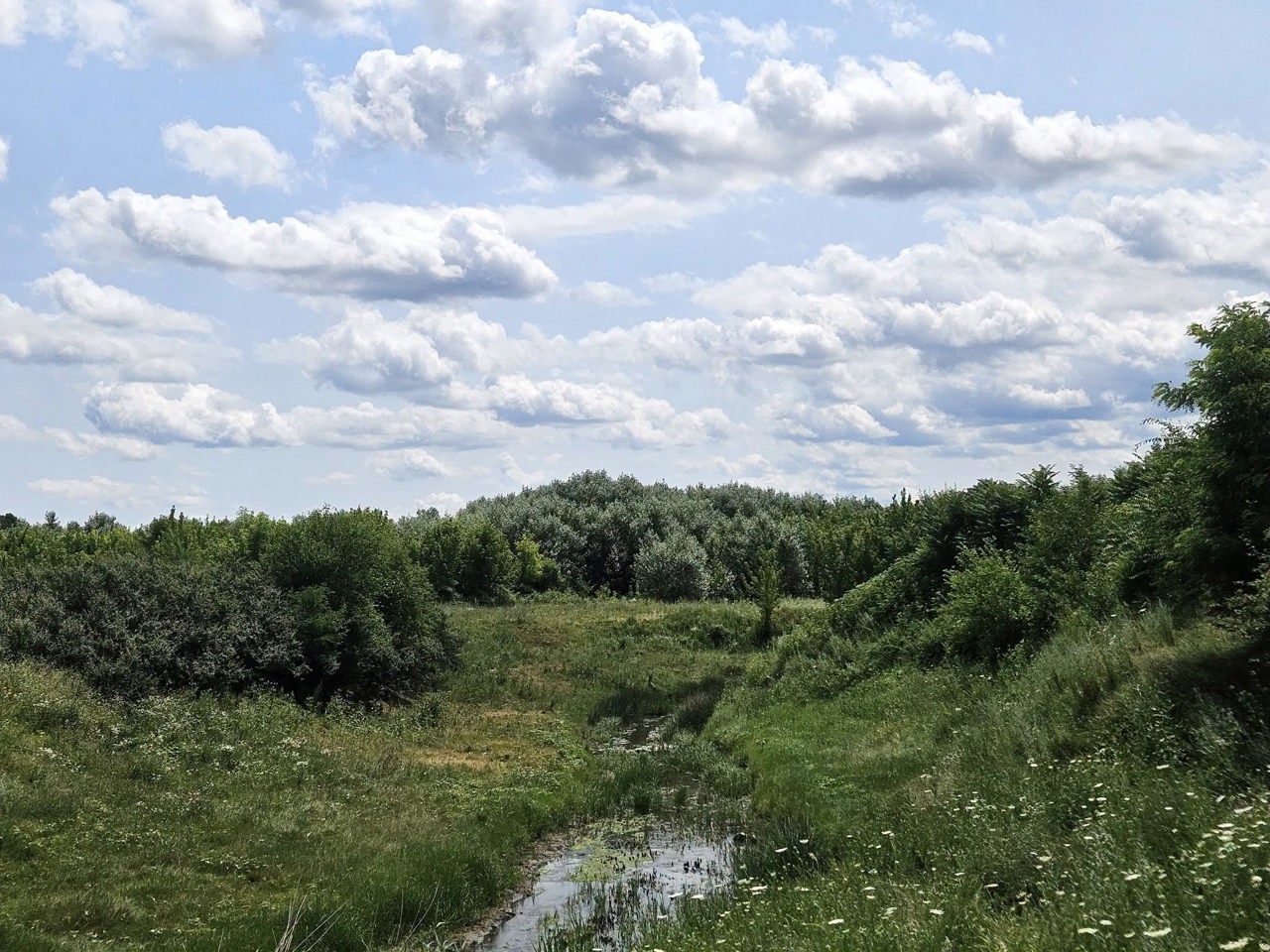
The dam will be approximately four meters high and 3.5 meters wide at the top. Local authorities state that the total length of the construction will be 2.34 kilometers, with nearly 1.7 kilometers along the Prut sector and over 660 meters along the Delia tributary sector.
The project also includes the development of a cliff on the dam, featuring pedestrian pathways, bicycle lanes, and viewing areas overlooking the Prut River.
Additionally, access roads will be constructed and drainage systems installed to manage rainwater runoff. Urban amenities, including street lighting, benches, trash cans, bicycle racks, information panels, and decorative elements that integrate into the landscape design, will also be provided.
"The cliff will be illuminated at night, and benches for resting, trash cans, bicycle racks, and information panels will be installed here. There will also be viewing areas overlooking the Prut," informs Ungheni City Hall.
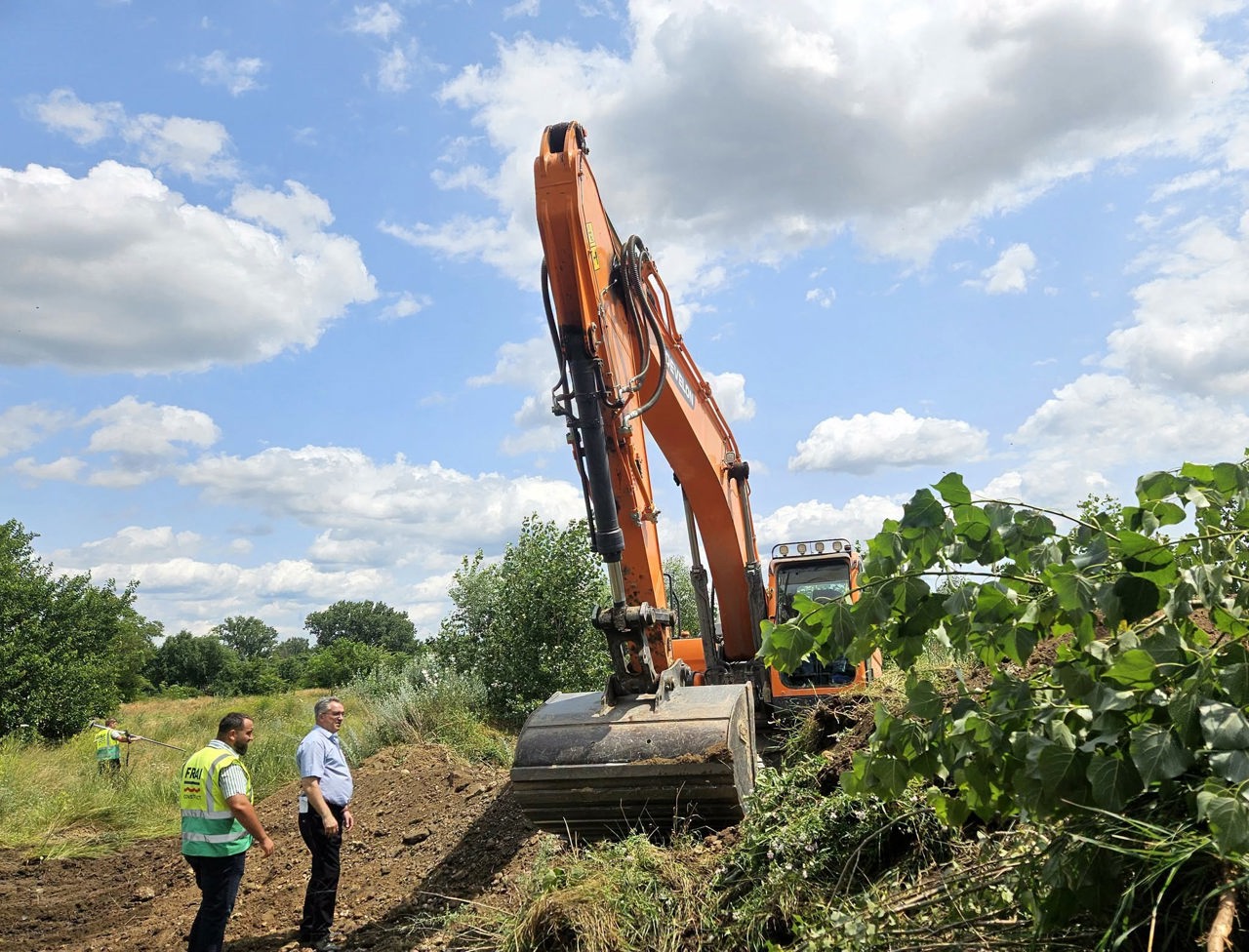
The Mayor of Ungheni, Vitalie Vrabie, visited the construction site on the first day of the project and expressed confidence that, upon completion, the area will become an attractive destination for both residents and tourists, showcasing the beautiful landscapes along the banks of the Prut.
The construction work is part of the project titled "Development of Capacities for Adaptation and Prevention of Disaster Risks in Cross-Border Cities." This initiative is financed by the European Union through the Interreg VI-A NEXT Romania–Republic of Moldova program. The project is set to last nearly two years and is being implemented in collaboration with the twin city of Dorohoi in Romania.
The budget allocated to the Ungheni City Hall exceeds one million euros, with 922,715 euros coming from non-reimbursable European Union financing, while the remainder is covered by the local public administration's contributions.