1,500 fewer births than in 2024; women are becoming mothers later
Moldova is seeing fewer births and later motherhood. Births fell by nearly 7% in 2025 compared with 2024, as population aging, migration, and economic pressures deepen the demographic decline and lead young families to delay parenthood.
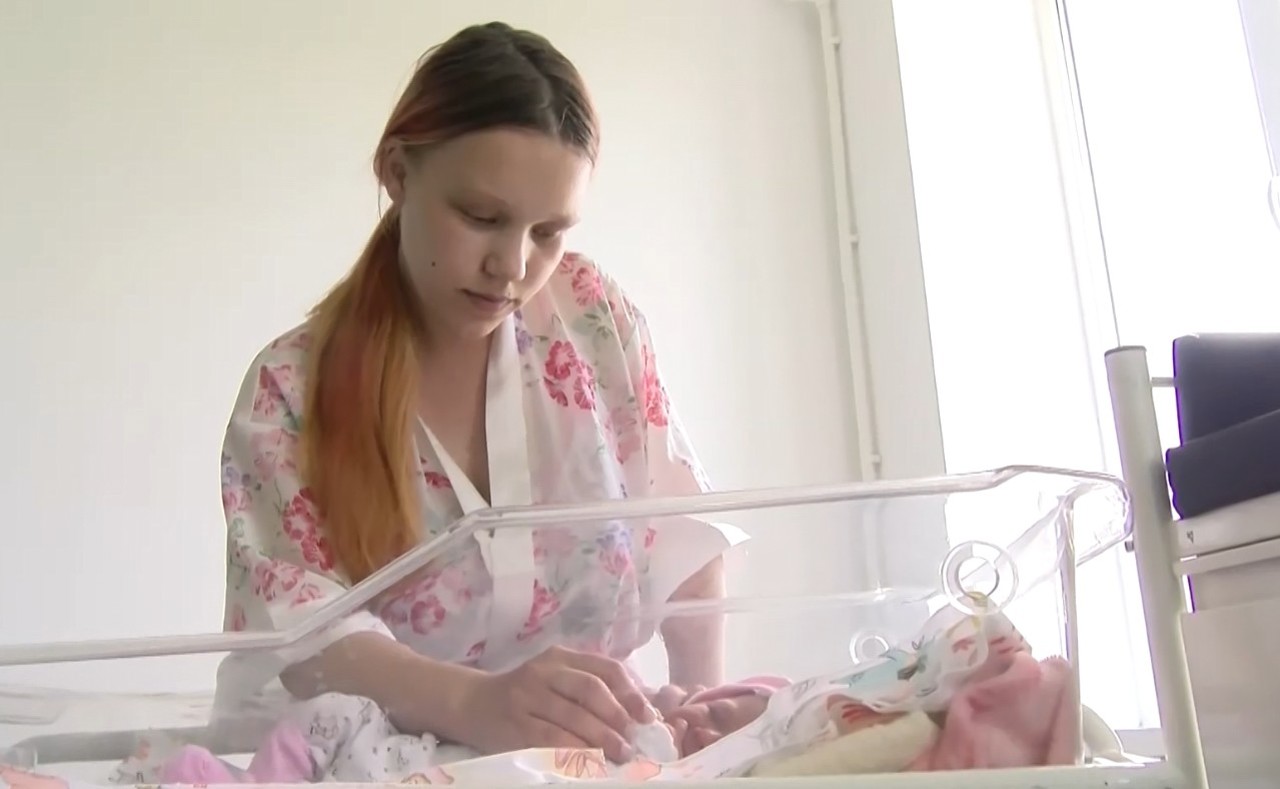
The further you get from the capital, the clearer the picture becomes. Two decades ago, the maternity hospital in Soroca registered between 15 and 20 births per day. Now, 400 children are born in a year.
At 19, Ana Stratila gave birth to her first child. The young woman experienced immense joy when she held her baby in her arms for the first time, but says she does not plan to have any more children.
“Even before giving birth, I spent a lot of money on preparation. I am glad that I am a young mother, I am 19 years old. I want to be able to give everything to a child. Nowadays, raising children is very difficult, financially and physically, and I think I will not be able to have another one”, said the young woman.
Last year, 22,100 children were born in the Republic of Moldova, 1,500 fewer than in 2024.
Nina Spoială is a neonatologist at the Soroca Maternity Hospital, where only 170 babies were born in the first half of the year.
"For the last three years, we have kept at about the same level, around 400 births per year. This year, according to our study, we see that if we have around 170 births in half a year, this year we will probably drop below 400 births. What we have noticed, as specialists, is that mothers who are already on their third or fourth births are giving birth," said Nina Spoială.
The main cause of the decrease in the number of births is the reduction in the population, especially the young population. The trend is not new, and will continue, driven by factors such as population aging and migration.
“The maternity allowance does not influence, does not have a very large influence on the change in reproductive intentions. These depend on all factors, social, economic factors, the value orientations of the population, access to housing and many, many factors that young people take into account when deciding to have a child or the next child," says Olga Gagauz, head of the Demographic Research Center.
Before starting a family, young people want to build a career and ensure their financial stability.
"State policies are to eliminate the barriers that prevent couples from deciding to have children. In addition to economic barriers, there is also a barrier of insufficient nursery places, so that you can leave your child and return to work earlier, not when he turns three. In the next two years, we will create over 155 new nursery groups that will be intended for over three thousand children", declared the acting Minister of Labor and Social Protection, Natalia Plugaru.
The birth rate is higher in villages and lower in cities. In urban areas, 500 fewer children were born than in rural areas. In villages, women become mothers for the first time, on average, at 24 years old, and in cities, at 28 years old.
The youngest mothers at first birth were registered in the districts of Cantemir, Glodeni and Ștefan Vodă. At the opposite end is the municipality of Chisinau, where women give birth to their first child close to the age of 30.