Moldova's economy moves closer to the EU: Benefits of opening the new negotiation cluster
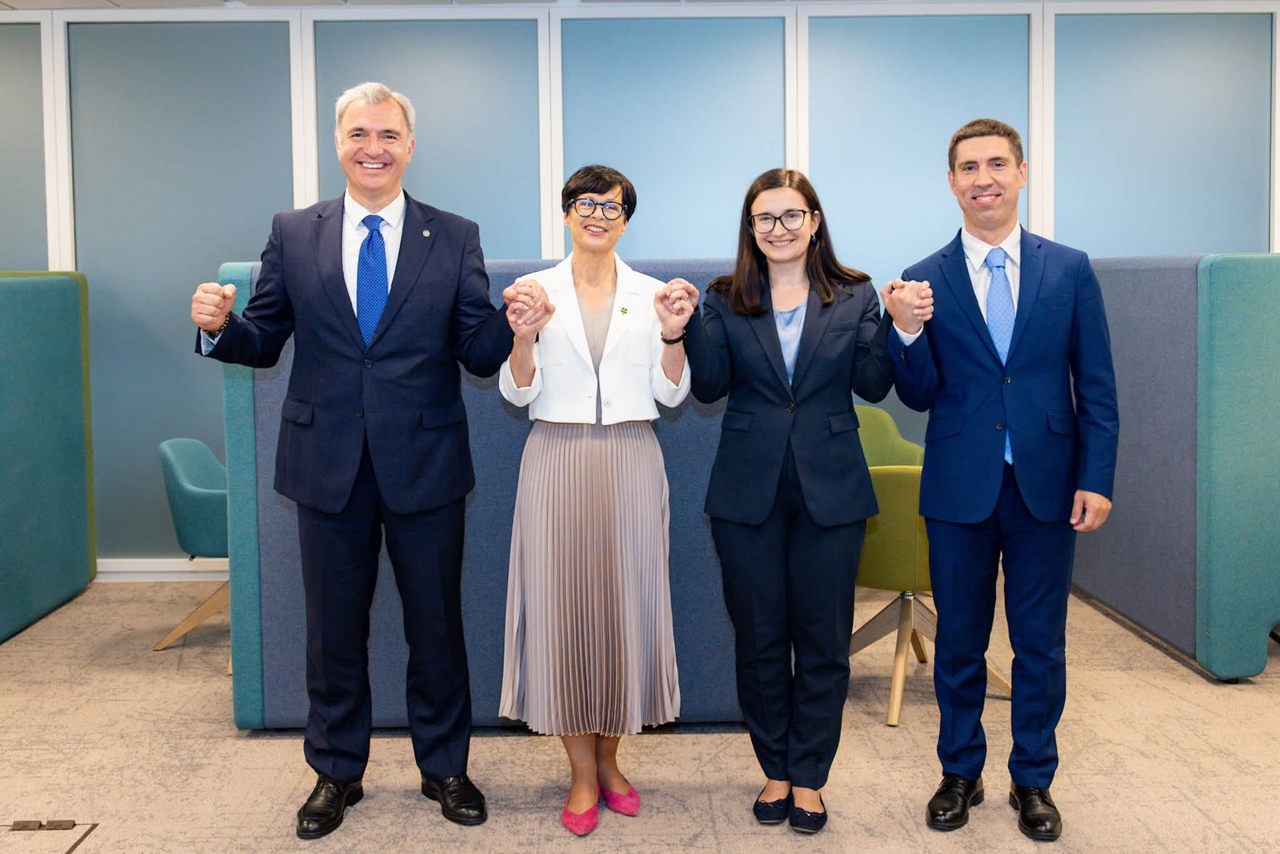
The official opening of accession negotiations for Cluster 6 – “External Relations”- on July 14 in Brussels confirms that the Republic of Moldova is making significant progress toward European Union membership through reforms and tangible results. This integration will enable the country's economy to join the European single market, including participation in the common commercial policy.
This new set of chapters focuses on EU trade policy, humanitarian aid, and development cooperation, requiring Chisinau to align its trade legislation and international commitments with the EU's. Chapter 31, which pertains to ‘Foreign, Security and Defence Policy,’ also mandates full alignment with EU foreign policy positions, political declarations, sanctions, and restrictive measures.
“By opening this group of chapters, Moldova will align its policies in areas such as foreign policy, security, defense, and foreign trade with those of the EU. The Republic of Moldova and the European Union are already collaborating to combat hybrid attacks, disinformation, protect borders, and strengthen the country's resilience,” stated Deputy Prime Minister for European Integration Cristina Gherasimov.
In this context, the economy of the Republic of Moldova will become integrated with the European economy, providing companies access to the world's largest network of trade agreements, which will lead to increased investment, job creation, and export opportunities.
With this new development, the Republic of Moldova now has seven open chapters out of a total of 33. Moving forward, the success of its European integration will hinge not on political decisions in Brussels but on the ability of the future government in Chisinau to implement the necessary reforms.
The government in Chisinau has publicly set a 2028 deadline for concluding accession negotiations. In the enlargement package released by the European Commission in November 2025, it was confirmed that the Republic of Moldova had met the conditions for the opening of three clusters—1, 2, and 6—and that the remaining clusters would become eligible by the end of the year. Two of these clusters were opened in 2026, one month apart.