Experts: Court ruling on Gagauzia does not restrict autonomy
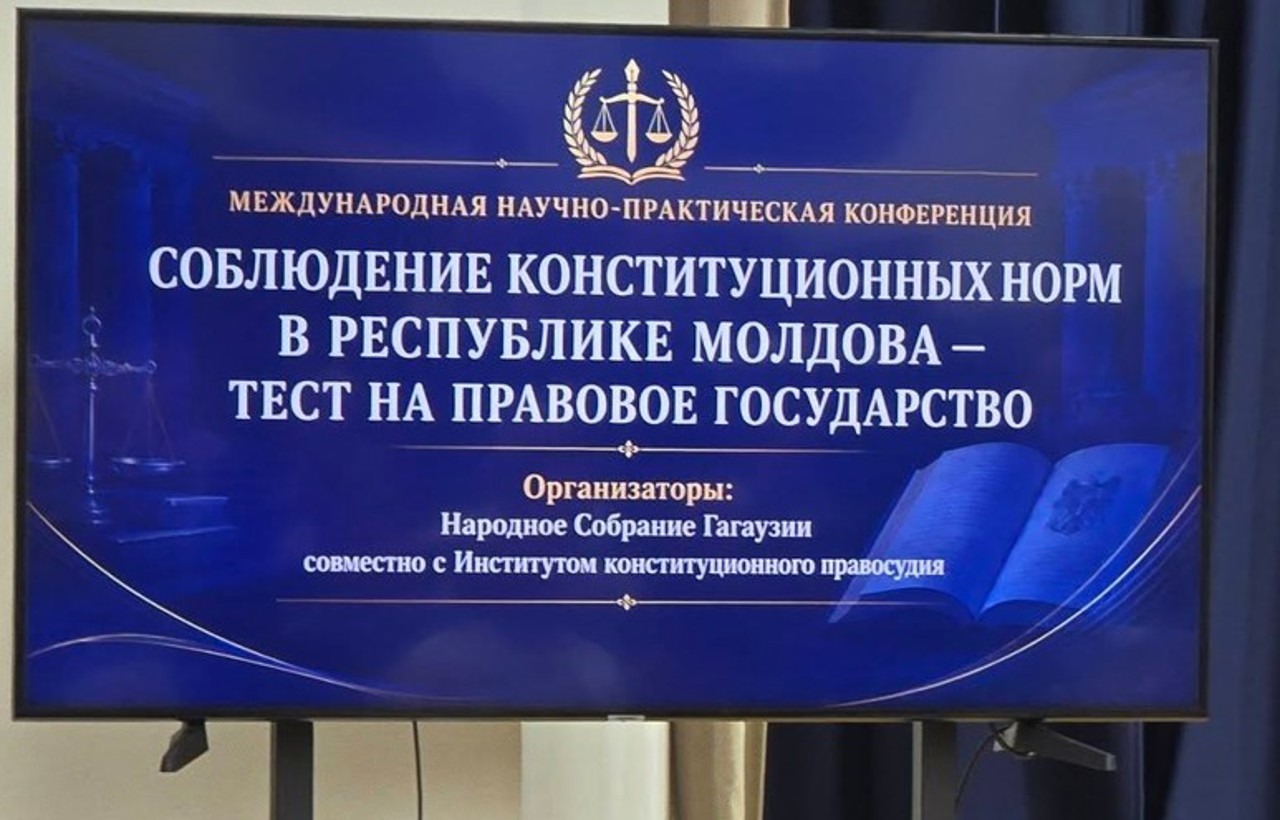
The allegations concerning a supposed violation of the Constitution related to the amendment of the electoral rules in Gagauzia lack legal foundation. The decision of the Constitutional Court (CC) is intended to ensure uniform norms across the country. This clarification was provided to Teleradio-Moldova by experts Mihai Sirkeli and Ștefan Bejan after a conference on the "Defense of Autonomy," which took place on July 25 in Comrat.
The event, organized by the People's Assembly of Gagauzia in collaboration with the Institute of Constitutional Justice, gathered former officials, politicians, and representatives from the regional administration. Notable attendees included Dumitru Pulbere, the former President of the Constitutional Court, and Vladimir Voronin, the former President of the Republic of Moldova.
Victoria Furtună, leader of the "Moldova Mare" Party and a former prosecutor loyal to the convicted Ilan Shor, stated during the event, “The Constitution is not interpreted politically but must be respected. Upholding Gagauz autonomy is about honoring the rule of law.”
Experts responded to the Constitutional Court's July 9 decision, which deemed several provisions of the Law on the special legal status of Gagauzia unconstitutional. These provisions targeted the powers of the People's Assembly in electoral matters, but experts argued that this ruling does not affect Gagauzia's autonomy or the region's constitutional rights.
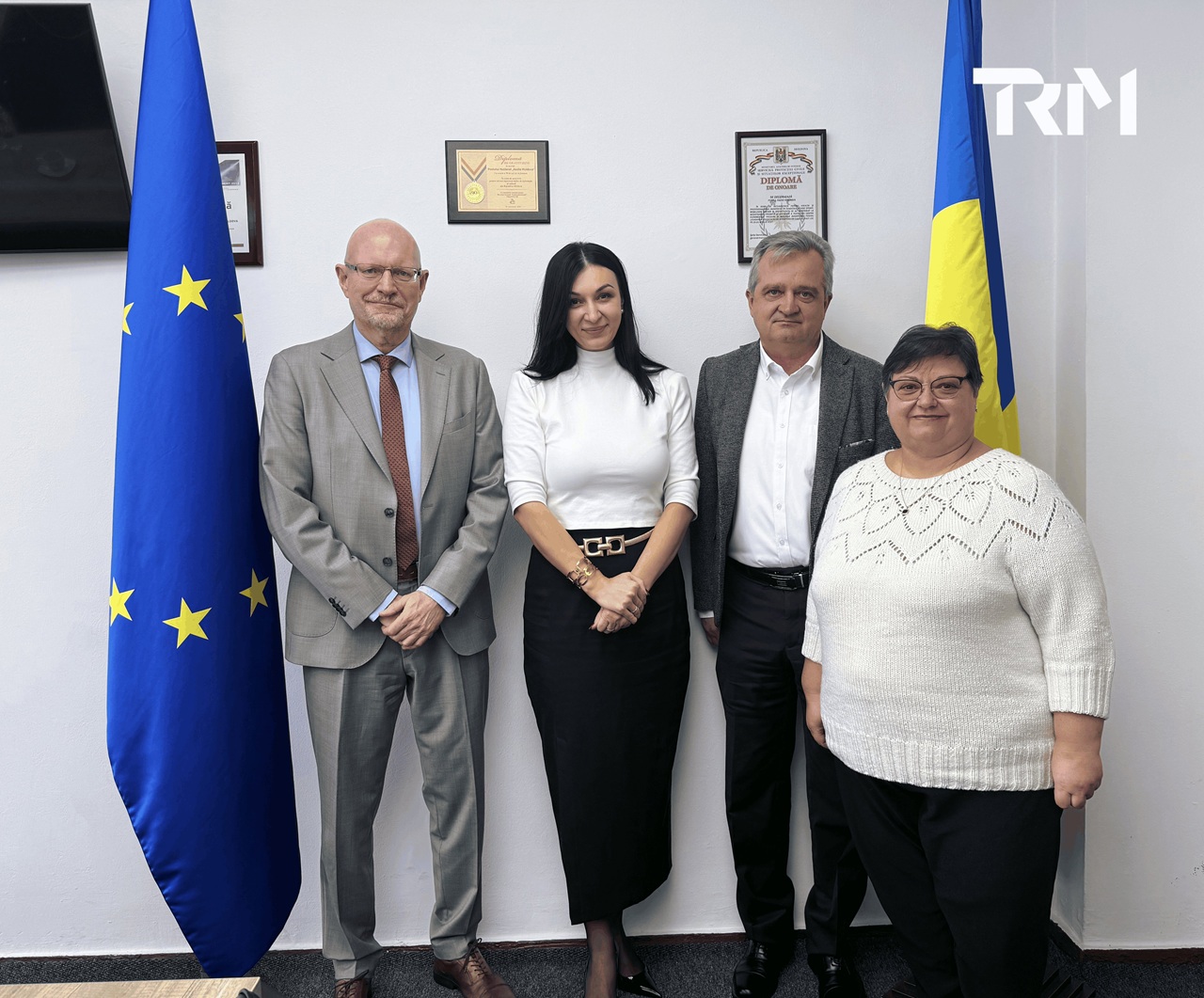
Ștefan Bejan, an expert from the WatchDog community, commented for Teleradio-Moldova, “The High Court's decision states that the Gagauz People's Assembly cannot organize elections; however, this does not relate to the Constitution of the Republic of Moldova. The Constitution does not specify how elections are held in Gagauzia or for the People's Assembly and Bashkan.”
He added that legislative changes can be made if certain provisions conflict with constitutional principles or create institutional hurdles. “This is precisely what has occurred recently in the Gagauzia Autonomous Region. Law 344 (regarding Gagauzia's special legal status) was flawed and drafted in a way that contradicted the Constitution of the Republic of Moldova, requiring amendments,” explained Bejan.
According to him, the legislative changes being prepared in Chișinău will not affect how citizens in the autonomy exercise their voting rights. Instead, these changes will only modify the institution responsible for organizing elections. “Residents of Gagauzia will not notice any difference when they go to vote. Simply put, elections in Gagauzia will be conducted according to national legislation, as is standard in a unitary state like the Republic of Moldova,” Bejan emphasized.
He noted that the Parliament intends to amend the Electoral Code to establish clear rules for regional elections within the autonomy. “In the near future, the Parliament in Chișinău is expected to amend the Electoral Code of the Republic of Moldova. While the Electoral Code mentions local and regional elections, it does not specify the process for the latter. There will be provisions detailing how elections will take place in Gagauzia, and subsequently, the CEC in Chișinău will organize the elections in accordance with national legislation,” Bejan explained.
The Comrat conference: A challenge from the Russian Federation
According to Mihai Sirkeli, a journalist from Comrat, the authorities in Chisinau are acting within their constitutional powers. He noted that the Constitutional Court's decision clarifies the responsibilities of state institutions.
“Chisinau is moving forward. We are discussing the national authorities, which act independently and in accordance with the Constitution and the law. The Ministry of Justice appealed to the Constitutional Court, which recognized the unconstitutionality of certain provisions in the Law on the Special Legal Status of Gagauzia, particularly those related to the organization and regulation of elections to the People’s Assembly and the election of the Bashkan," Sirkeli stated in an interview with Teleradio-Moldova.
The new electoral rules could alter the political balance in the autonomous region, prompting opposition from certain local political actors.
“They resist these changes because it could fundamentally alter the political landscape in Gagauzia, particularly regarding elections. They want to maintain the status quo, but that is not within their control. Although discussions at such conferences may seem significant, they are not grounded in reality,” Sirkeli pointed out.
The two experts also criticized the messages communicated during the Comrat conference, suggesting that the meeting has political motives.
Ștefan Bejan believes that such statements exacerbate tensions between Chisinau and Comrat.
“It is evident that this meeting serves as a provocation from the Russian Federation. Mrs. Victoria Furtună has been aligned with Ilan Șor and may continue to do so. Furthermore, I believe Mr. Voronin does not represent the interests of the Republic of Moldova but rather the interests of the Russian Federation,” declared Bejan, an expert from WatchDog.
He argues that the legal challenges surrounding the organization of elections in the autonomy stem from decisions made by regional political elites.
“This blockage, this legal impasse in Gagauzia, is caused by the political elites in Comrat. Chisinau has attempted to resolve this legal dispute through various means and has made significant concessions. Ultimately, it was deemed necessary to refer the matter to the Constitutional Court to determine the constitutionality of certain provisions within the Gagauzia UTA's special law,” Bejan concluded.
The elections for the People's Assembly of Gagauzia were scheduled for November of last year, but were postponed due to the absence of a functional electoral authority in the region. Following the Constitutional Court's decision on July 9, the authorities in Chisinau announced plans to amend the legal framework, allowing elections to be held this fall under the same electoral standards that apply throughout the Republic of Moldova.