Igor Grosu: "The state will assist citizens" after the gas price hike
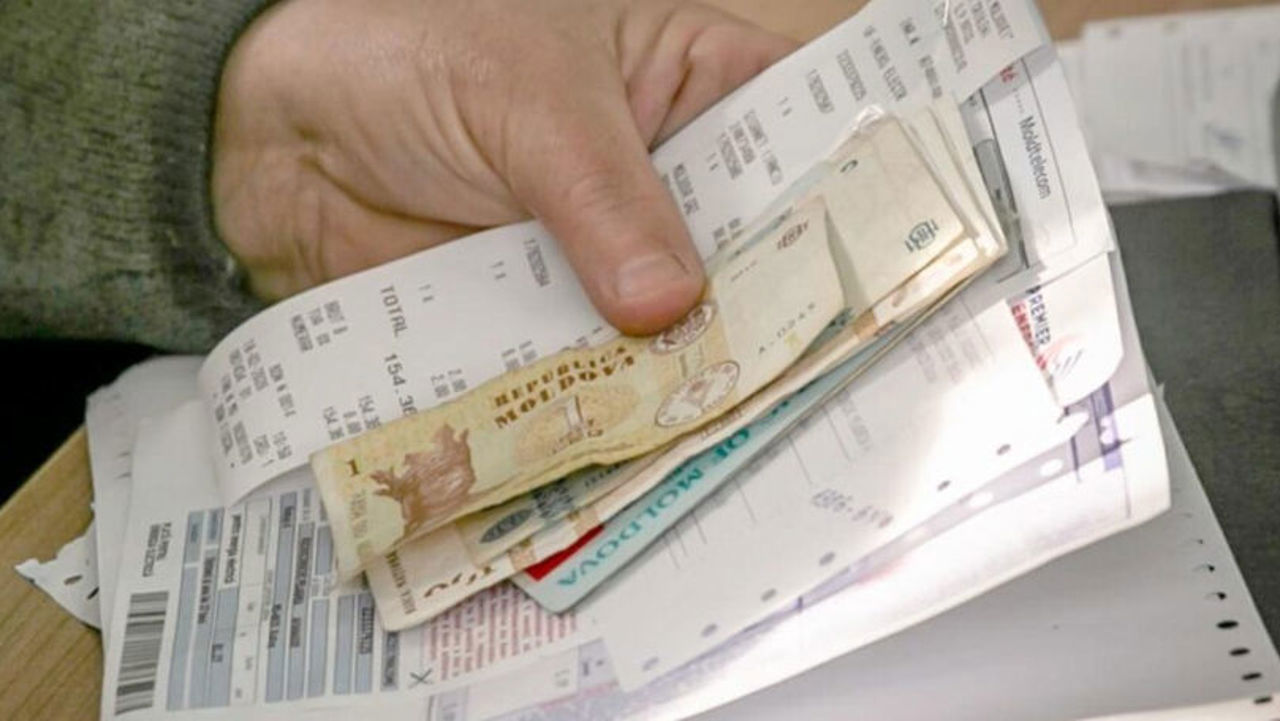
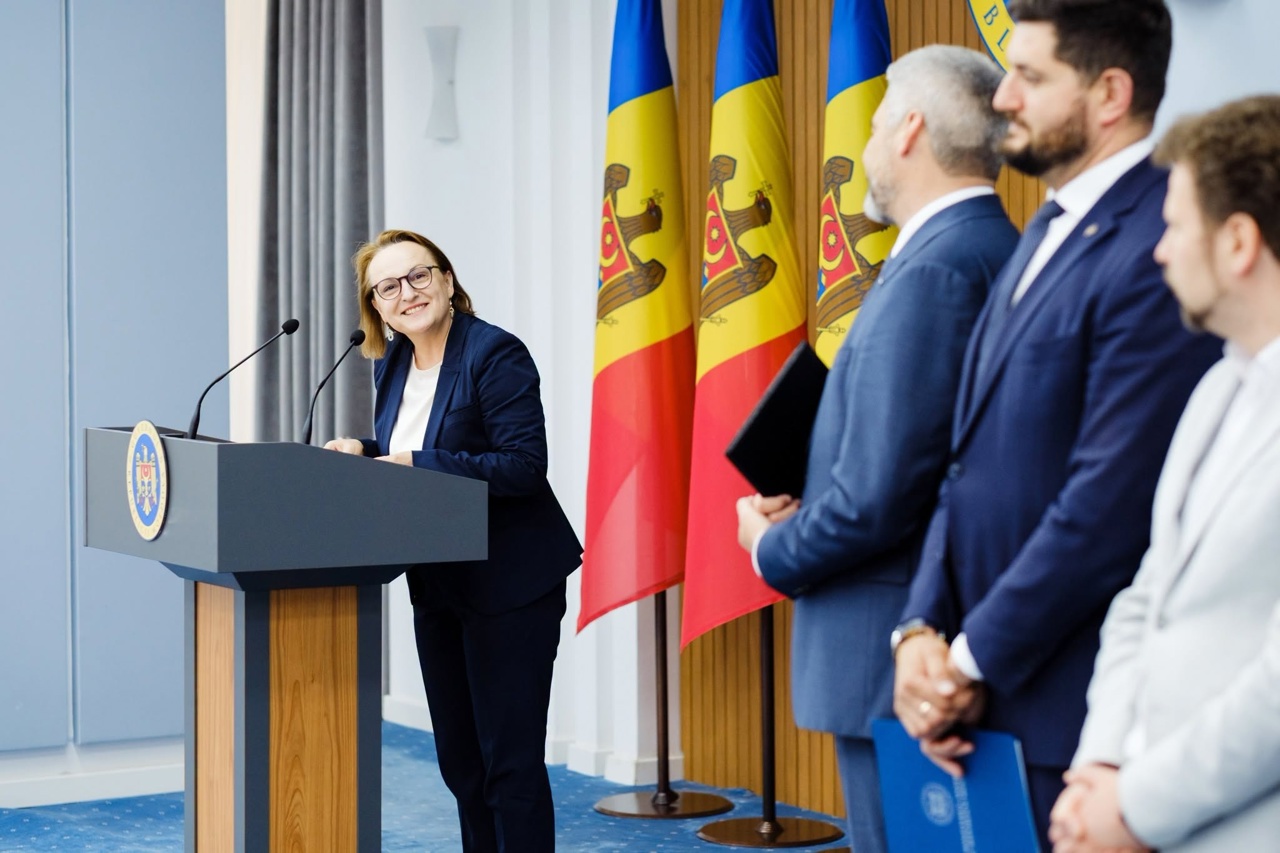
Natural gas consumers may soon receive compensation directly on their bills. Parliament Speaker Igor Grosu said this method of aid has proven more effective than direct payments to eligible applicants' cards. However, a final decision will be reached after further consultations.
In an interview with the Moldpres Agency, the head of the Legislative Assembly stated that people will not be left alone in the face of price increases. The state will also intervene in the next cold season to compensate for part of the costs borne by consumers, amid the announced increase in gas tariffs.
"We are talking about the period November-December of this year and about January, February and March of next year. The government and the relevant ministry will come up with proposals, we will discuss them and see what we can improve in the process of granting compensations - their volume, the level of eligible consumption and other aspects", Igor Grosu said.
In his opinion, the first experience, when the state offered compensations directly in the bill, was better than the practice applied later. Thus, the authorities are considering returning to the old mechanism. One way or another, the Speaker of the Parliament gave assurances that "the state will intervene and help citizens".
Igor Grosu also urged citizens to save energy resources and use them responsibly both in public spaces and in households. He also recalled that the latest decision of the Commission for Emergencies provides for a 20% reduction in public spending on fuel, in the context of a difficult period that requires more responsible consumption.
"If we are not in a space, we do not need to keep the lights on. They are our resources and this applies to both institutions and consumption in our homes and apartments", the Parliament Speaker said.
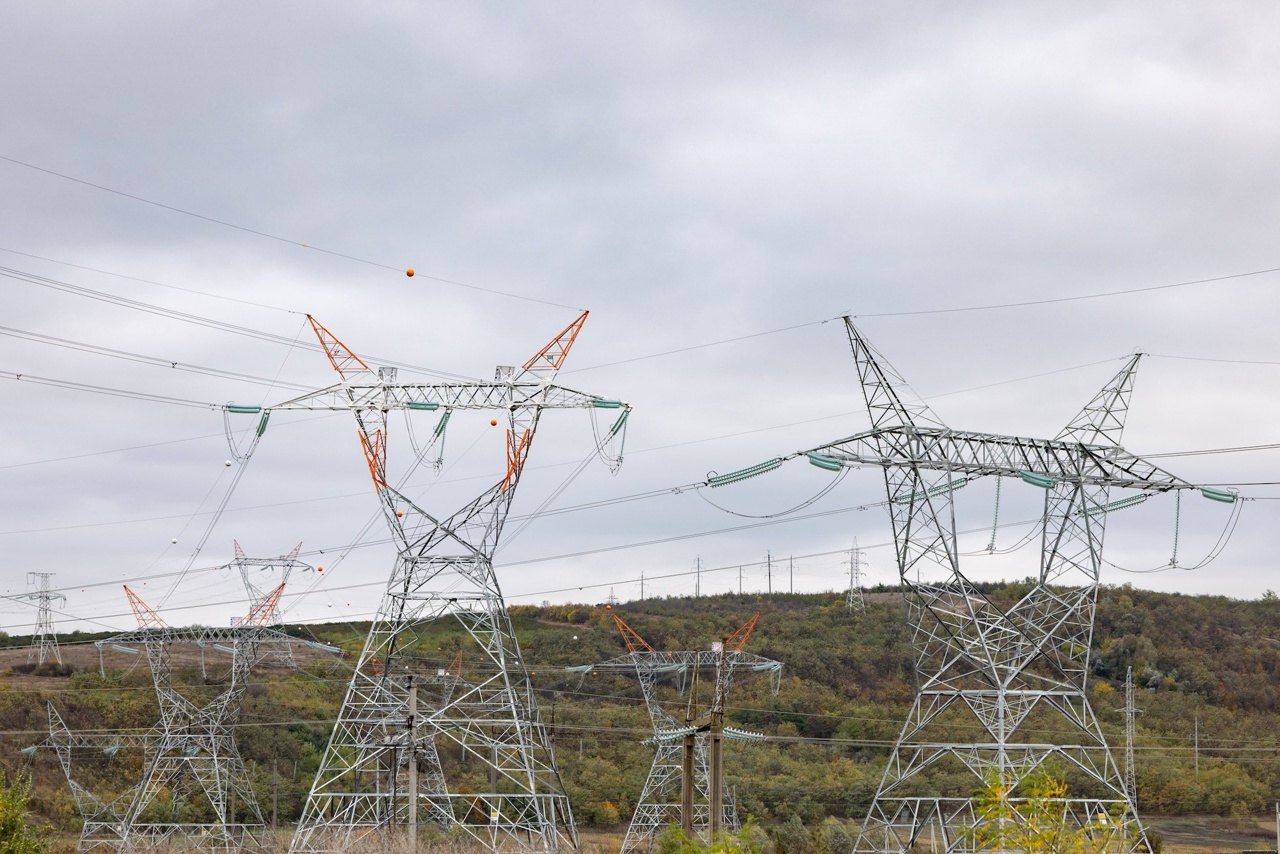
Igor Grosu explained the need to increase gas tariffs for end consumers by increasing the purchase price on international markets and higher transportation costs, against the backdrop of the tense situation in the Strait of Hormuz and the Black Sea.
"The Republic of Moldova does not have its own resources. Everything we consume – gas, diesel, gasoline, liquefied gas – we import. That is why we depend on international quotations and, obviously, we do everything possible to diversify sources, so as not to depend on a single supplier," declared the Speaker of Parliament.
He also said that Parliament had taken a step by adopting a proposal to amend the Law on Natural Gas, which will allow for the optimization of some costs borne by Moldovagaz. Grosu mentioned, in this context, the level of some salaries that he considers exaggerated.
"We have situations of salaries of 360 thousand lei and advisors who receive 90 thousand lei. I consider them exaggerated. We still have 12 enterprises throughout the country, 12 directors, 12 contracts, 12 vice-directors and so on. I think that a single enterprise could cope with these responsibilities under the current conditions. We have technical and IT solutions through which you can monitor, make transfers and manage all these things from a single entity", said Grosu.
By analogy, he also gave the example of the Moldsilva Agency, which has 19 enterprises, although, in his opinion, only one could manage the entire segment.
"So, there are other elements through which we can intervene to reduce administration costs. Someone may say that it is a matter of one or two percent and that it does not matter. It is our money. If we can optimize and reduce expenses, let's do it. Why say that it is little? We must save and use resources as efficiently as possible", concluded the President of the Parliament.
Currently, the population pays a tariff for gas of 13.35 lei per cubic meter without VAT, or 14.41 lei with 8% VAT. The Energocom enterprise submitted a request for price adjustment on July 15.
According to calculations by the National Energy Regulatory Agency (ANRE), after the increases, household consumers could pay 20.3 lei for a cubic meter of gas, with VAT included, which is almost six lei more than at present.
The director of the institution, Constantin Borosan, explained that the regulated price for supplying natural gas to final consumers no longer covers the costs of purchasing gas on the international market, which represents about 66% of the tariff.
When setting the current tariffs, ANRE took into account a weighted average purchase price of 404.24 euros per thousand cubic meters, while the prices for future supply contracts are around 600 euros, resulting in a difference of about 200 euros.
Prime Minister Vasile Tofan confirmed that the tariff increase is inevitable, but stressed that the state must intervene to support consumers who cannot afford higher costs. He made a distinction between households with high consumption and vulnerable families, specifying that the authorities are discussing with the Ministry of Labor and Social Protection the identification of the resources necessary to provide compensation.