US volunteers begin two-year mission in rural Moldova
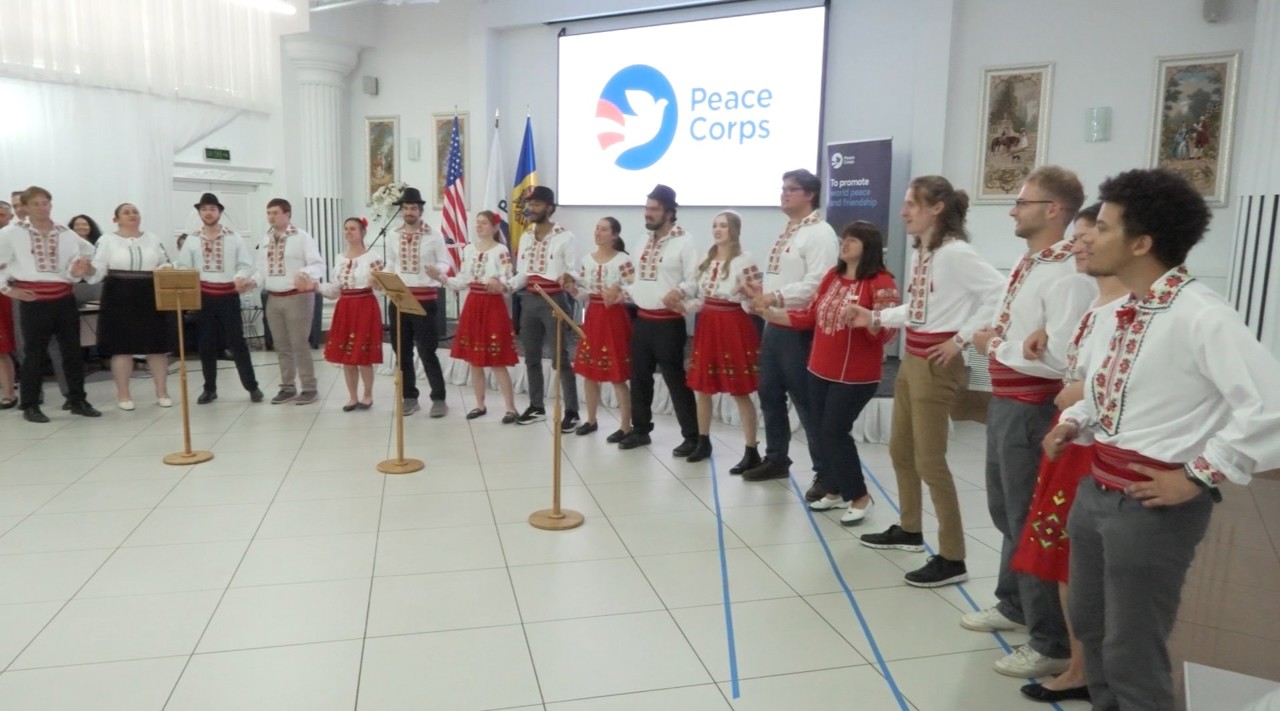
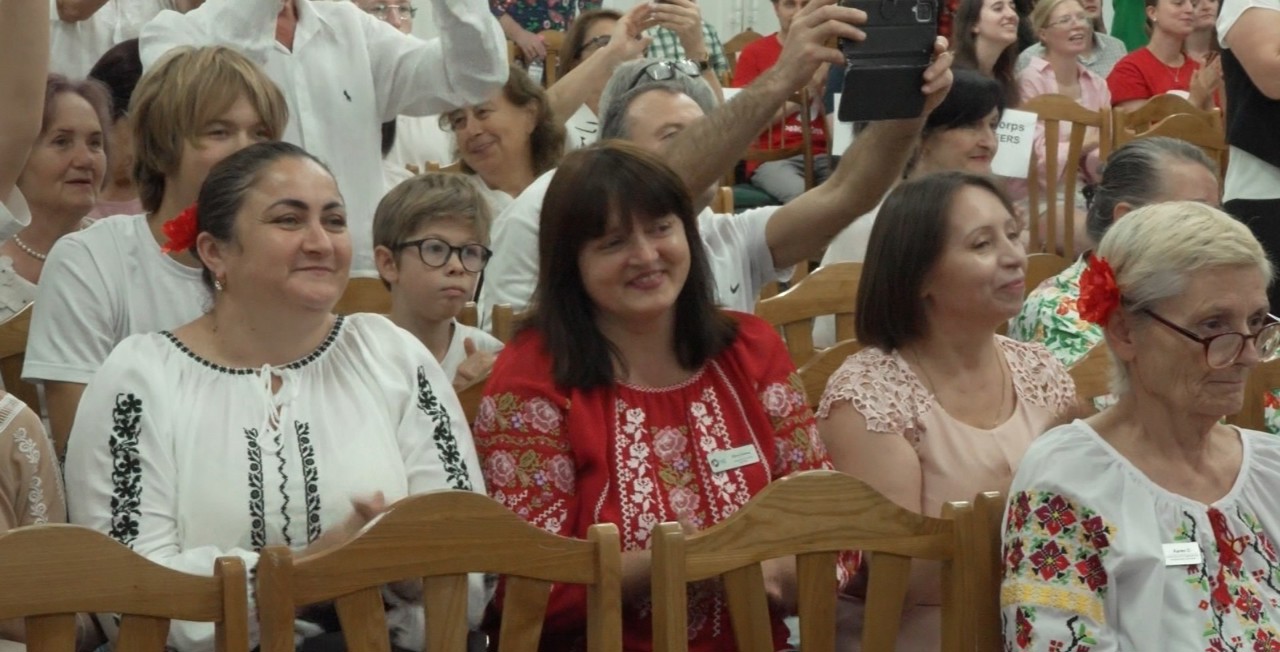
A new group of 22 Peace Corps volunteers from the United States officially took their oath today in Moldova. The cohort will now deploy to communities across the country to teach English, promote health education, and support local development over a two-year service period.
The group represents the 38th volunteer cohort to arrive in Moldova since the mission was established. Prior to swearing in, the trainees completed an intensive 10-week cultural and linguistic integration course following their arrival on June 10.
Cross-generational dedication to public service
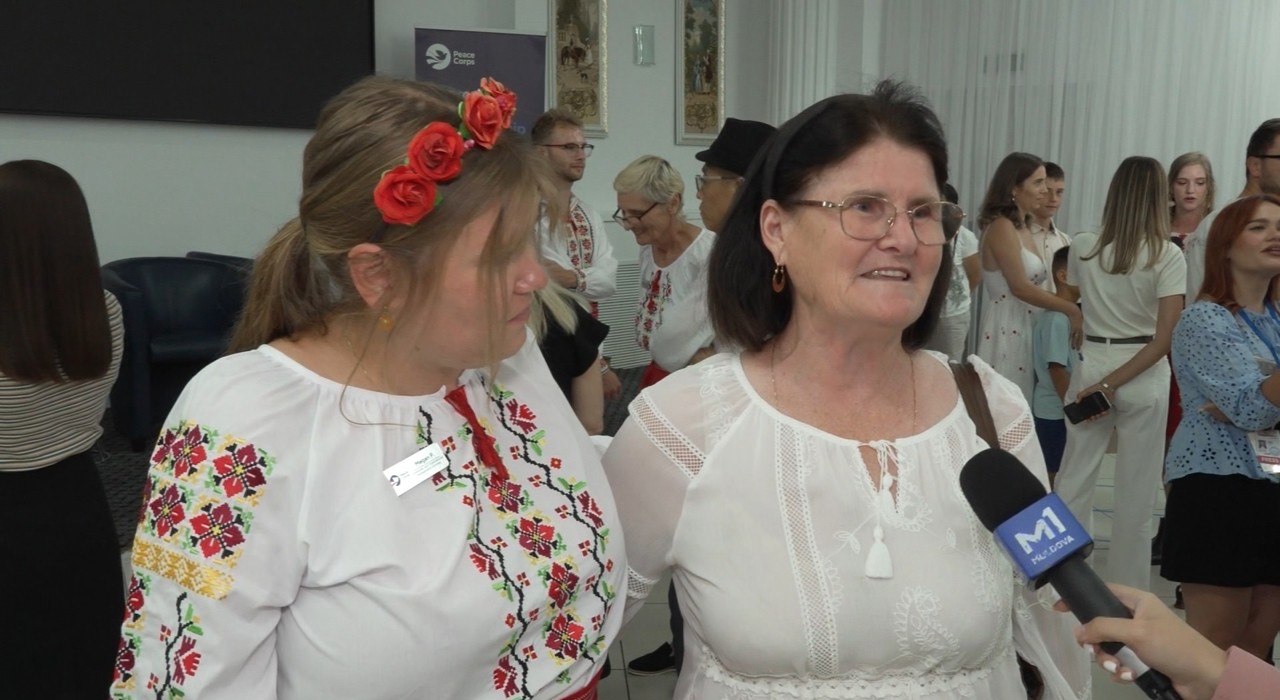
At 70 years old, Boston native Karen Duca is the oldest volunteer in this cohort. Following a trip to Georgia earlier this spring, her fascination with Eastern Europe prompted her to join the Peace Corps in Moldova.
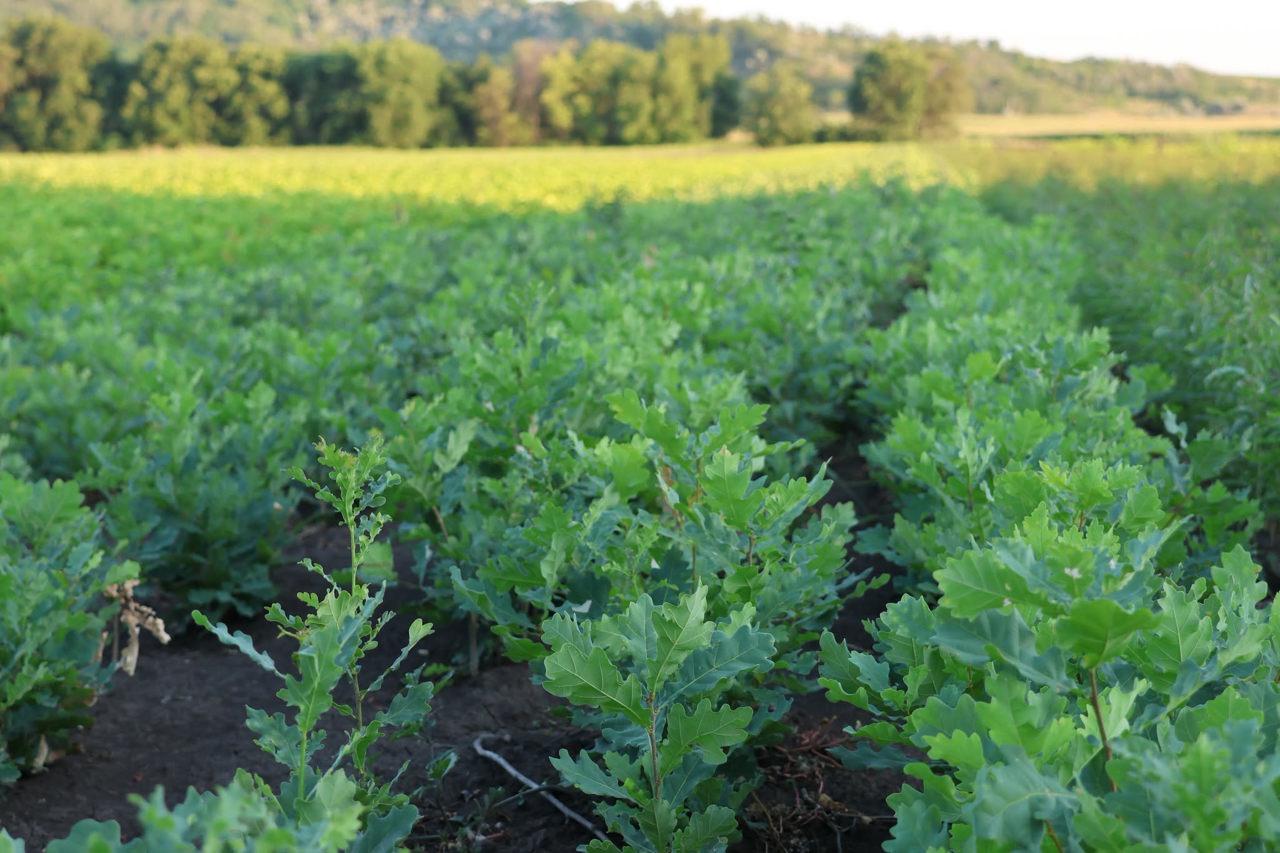
"The first thing I loved about Moldova was the natural beauty. Seeing those green hills brought me immediate peace," Duca said. She added that her favorite local phrase has quickly become "Small country, big heart."
Duca will share living quarters with 22-year-old Megan Prosser. Both volunteers are hosted by Maria Tonu, a local resident now in her third year of welcoming American volunteers into her home.
Community integration and institutional support
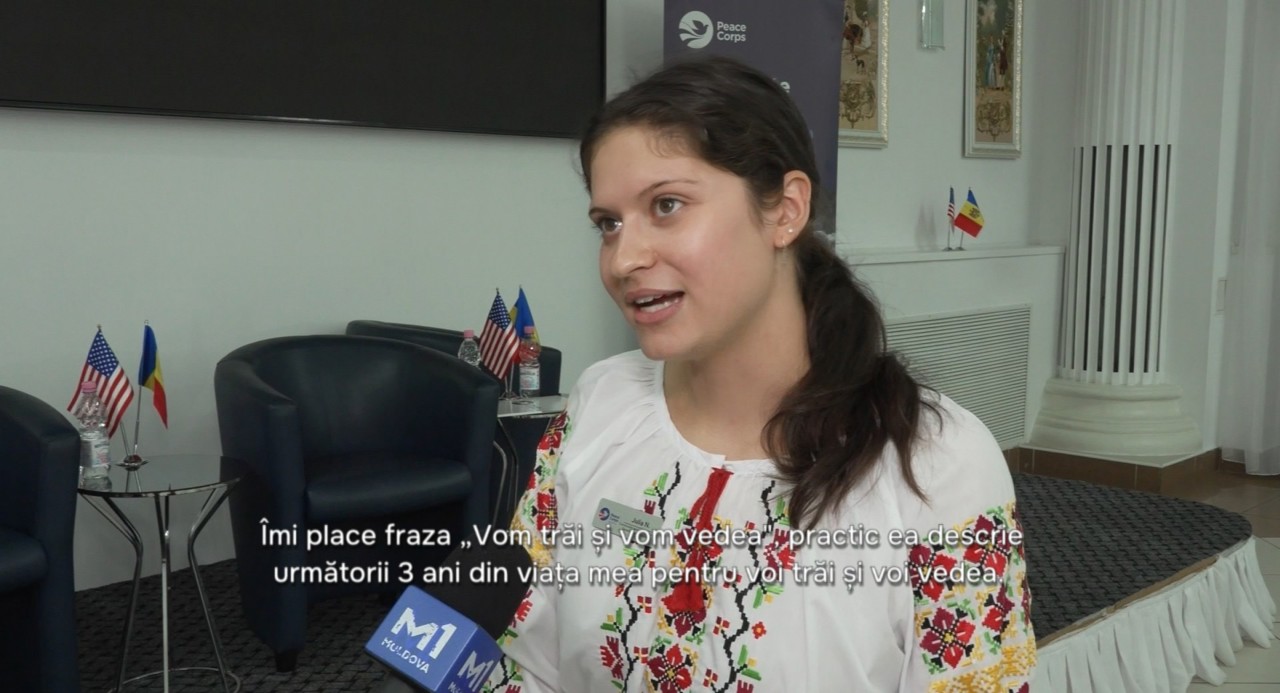
Megan Prosser will be stationed near the capital, supporting the operations of the local mayor's office, community library, and cultural center. She expressed deep appreciation for local traditions, community gatherings, and regional cuisine.
Other volunteers shared similar enthusiasm for their host families and local customs, noting that participating in traditional events and weddings provided an unprecedented cultural experience.
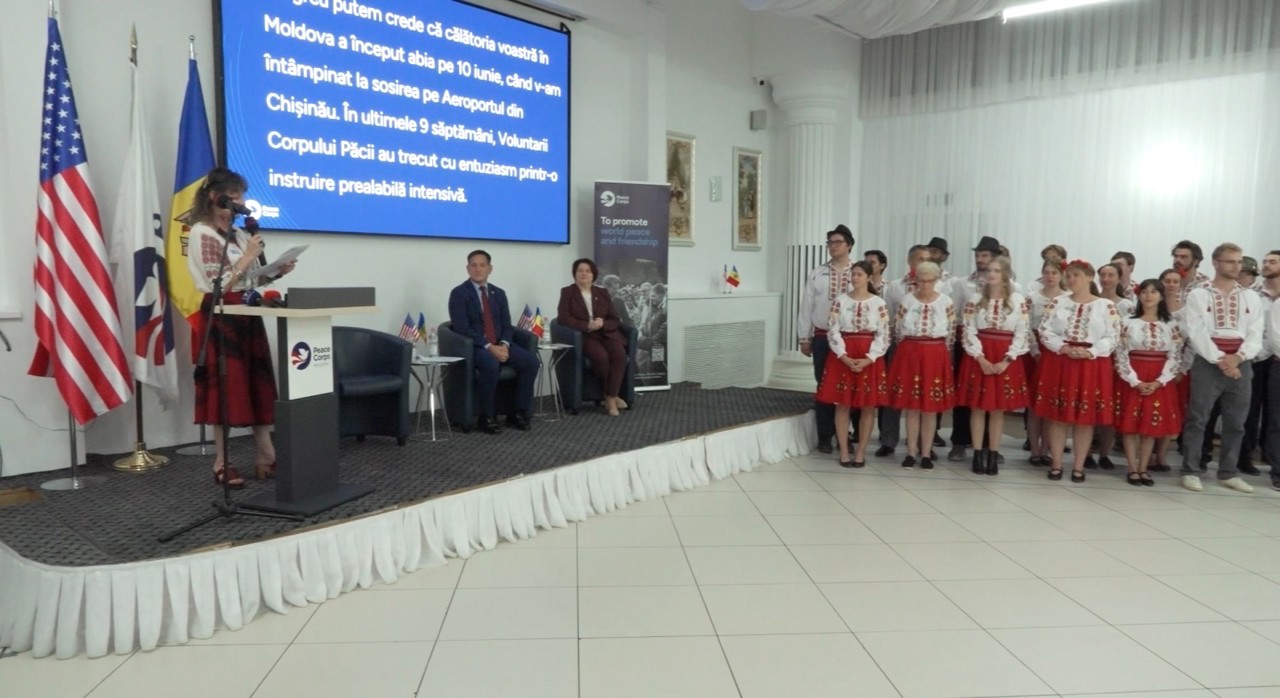
At the swearing-in ceremony, Country Director Sara Chesters highlighted the enduring partnership between the two nations, emphasizing that peaceful service relies on authentic collaboration and shared expertise.
The US Peace Corps has operated in Moldova for 30 years. Over that period, more than 1,400 volunteers have served in local communities to strengthen bilateral ties and support regional development.
Translation by Iurie Tataru