NATO unveils autonomous defense strategy to counter Baltic invasion
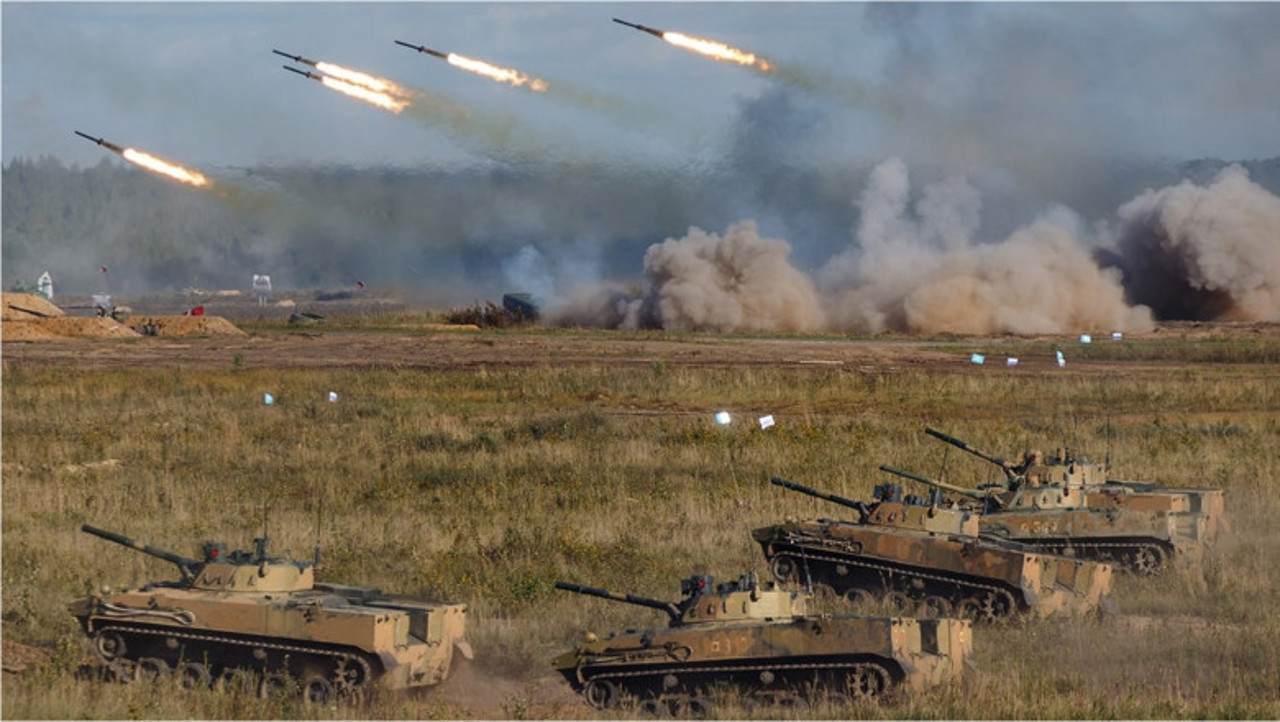
NATO has drafted a comprehensive defense strategy to counter a potential Russian assault on the Baltic states, according to a report by agents.media citing the German publication Bild. The operational concept focuses on halting advancing enemy units and neutralizing Russian military capabilities through strategic deep strikes inside Russian territory.
The defense doctrine, titled the "NATO Ground Warfare Concept," relies on three interconnected strategies co-developed by US Army Major Andrew Pingry.
Neutralizing missile systems and Kaliningrad
If Russian forces initiate an invasion using missile barrages, drone swarms, and armored columns, NATO forces will prioritize neutralizing Russia's launch capabilities. Allied fighter jets, missiles, and strike drones are slated to disable Russian firing positions.
A key strategic target in this initial phase is Kaliningrad, a heavily fortified Russian exclave hosting extensive air defense networks and missile complexes.
Unmanned autonomous defense corridors
Along the borders with Russia and Belarus, NATO plans to establish an autonomous defense corridor functioning as a protective shield. Unmanned combat vehicles and drone networks will make first contact with advancing Russian forces.
This setup avoids immediate deployment of NATO personnel to the front line, relying instead on autonomous systems to halt the ground offensive.
Deep strikes and logistics interdiction
In the subsequent phase, NATO forces intend to conduct deep-strike operations inside Russian borders. Special forces and precision assets will target key logistics hubs, military airfields, defense manufacturing plants, bridges, and rail nodes.
The plan also considers deploying anti-Putin Russian dissidents for operations within the Russian Federation, alongside an automated aerial bridge to airlift strike drones and robotic systems into strategic areas.
Deterrence through transparency
The overarching objective of the concept is to sever Russian supply lines and prevent follow-up offensive waves. NATO planners emphasize that the goal is not to occupy Russian territory, but to push enemy forces back to their sovereign borders.
Military officials noted that the plans are intentionally unclassified in part, operating on the principle that strategic deterrence is effective only when an adversary clearly understands the consequences of an attack on an Allied nation.
Western intelligence agencies and defense analysts have increasingly warned of potential direct confrontation. Recent assessments cited by The Wall Street Journal and The Washington Post indicate active Russian evaluation of NATO defense postures, while Latvian intelligence warned in June of potential military provocations targeting the Baltic region or Poland.
Translation by Iurie Tataru