Moldova considers balloon bans and levies to curb festive plastic waste
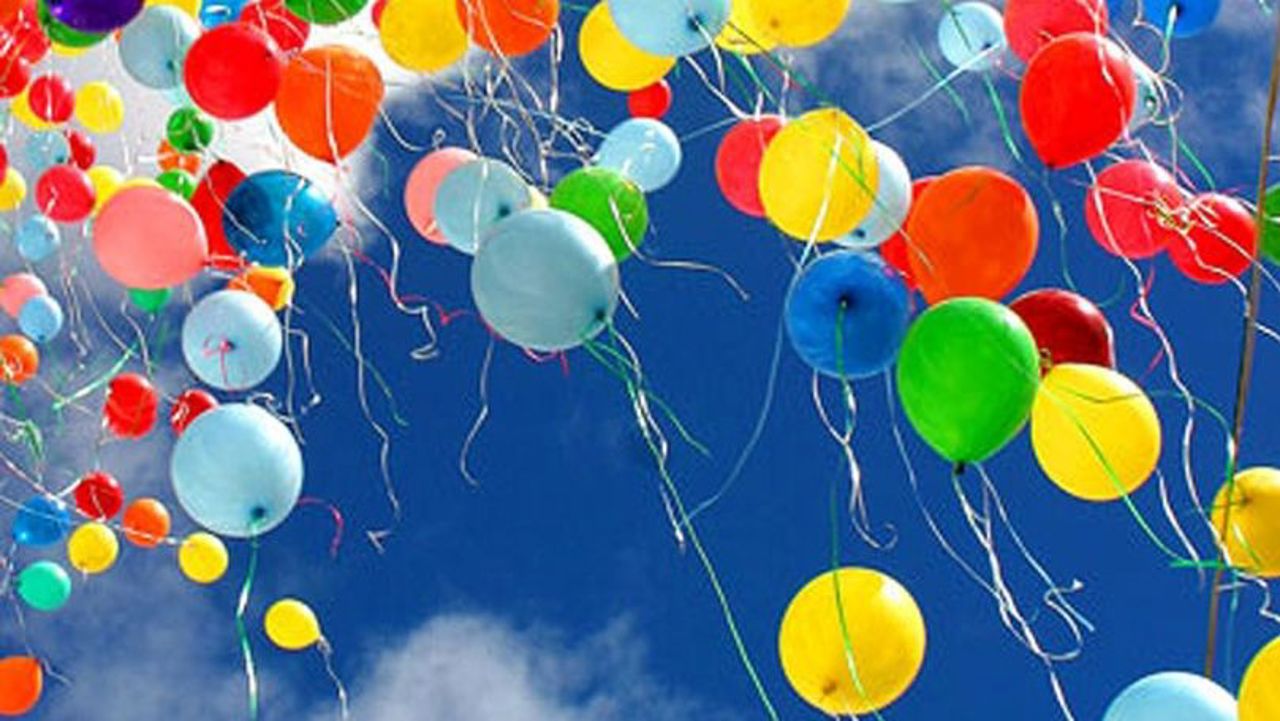
Moldova's Environment Ministry has urged schools and parents to avoid releasing helium balloons during September 1 festivities, warning that airborne debris threatens wildlife and ecosystems as classes resume across the country.
Persistent ecological threat
Speaking on public broadcaster Radio Moldova, State Secretary Grigore Stratulat explained that balloon releases present lasting ecological hazards because composite materials fail to break down quickly. While some balloons are marketed as biodegradable latex, many contain synthetic plastics and metalized nylon known as Mylar.
“Even when biodegradable materials are used, the decomposition process is slow,” Stratulat said on the program 'Zi de Zi'. “Not all are made of latex. Many balloons contain metallized foil—so-called Mylar balloons—which combine plastic and metal coating.”
Wildlife hazards and decorative alternatives
Once released, winds carry the balloons across long distances into remote forests and rivers, where ribbons and strings can entangle wildlife and ingested fragments poison fauna. Rather than banning balloons outright from ceremonies, the ministry called on organizers to keep them tied as indoor or courtyard decorations and ensure responsible post-event disposal.
“Balloons can be carried by the wind over considerable distances into forests or waterways, contaminating ecosystems,” Stratulat said. “When we collect them after the celebration, deflate them, and dispose of them properly in the trash, the waste can be managed safely.”
Future legislation and classroom-led change
Moldovan authorities currently rely on civic awareness campaigns ahead of the traditional school year start, known locally as the First Bell. However, government officials are drafting legislative amendments that could impose excise fees or ban non-recyclable festive plastics to finance comprehensive municipal waste collection.
“Some of these items will be banned, while others will face a levy so that we can finance improved waste collection and management,” Stratulat said.
The state secretary added that environmental education must start in early childhood, pointing out that pupils often act as catalysts for sustainable habits at home. Children absorb ecological stewardship quickly in classrooms and naturally guide their parents toward better environmental practices.
Translation by Iurie Tataru