Moldova's first medical institution has an innovative device for early infant vision problem detection
A groundbreaking advancement for the public medical system in the Republic of Moldova! The Republican Rehabilitation Center for Children in Chisinau has introduced an innovative device designed for the early detection of eye diseases. This device specifically targets children aged 0 to 5, including those in high-risk groups, as early diagnosis is crucial for preventing serious visual impairments.
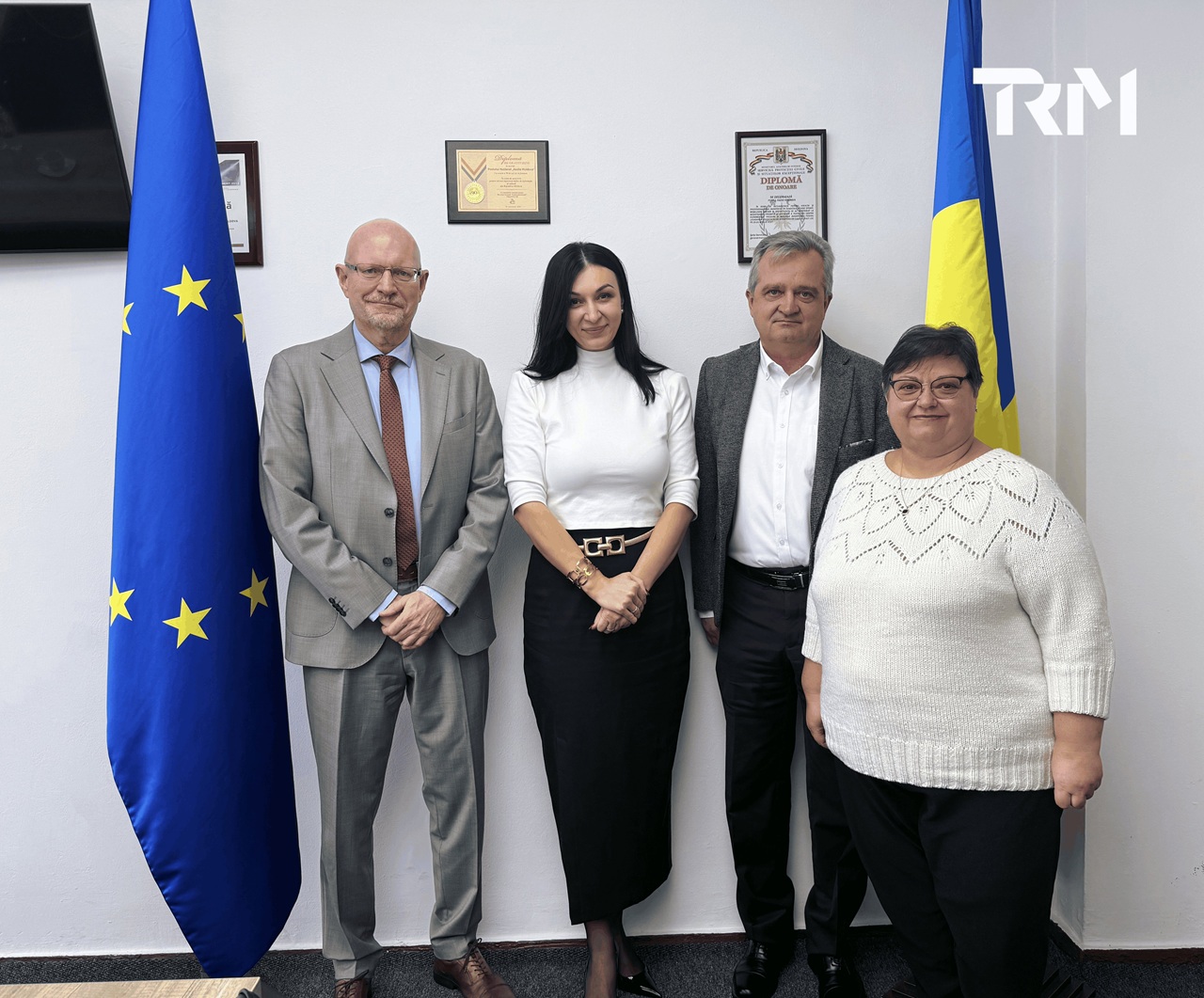
"We are the first public medical and health institution in the Republic of Moldova to be equipped with this device, which has been successfully used for over 20 years in developed countries, particularly in the European Union, for the early detection of vision problems in children. This technology allows us to align with the standards of accurate and evidence-based diagnosis of eye diseases," said Ecaterina Gîncota, director of the Republican Center for Rehabilitation for Children, during "Bună dimineața" show on Moldova 1.
The innovative device will primarily benefit children ages 0 to 5, as early diagnosis of potential pathologies or vision disorders is crucial at a young age.
"When children are young, we can intervene quickly to manage or correct these conditions. Vision problems often arise during the prenatal period, around birth, or postnatally in the first two years of life, when visual functions begin to stabilize. Vision pathologies can be classified as peripheral or central. Central pathologies, which affect the central nervous system, are frequently found among the center's young beneficiaries, including children with cerebral palsy or genetic syndromes such as Down syndrome. In the case of cerebral palsy, about 40% of children have associated vision disorders, while in Down syndrome, the rate is approximately 60%. Therefore, early detection is essential. Children will be assessed at the beginning of the program and monitored over time to track progress,” explained Ludmila Murzac, the institution's deputy director, during her interview with the public television station.
Many children are diagnosed late with ophthalmological conditions, which can result in visual disabilities. Thanks to collaborations with European clinics, models for the habilitation and rehabilitation of visual function will be implemented starting as early as three months of age.
"After birth, we begin assessments at three months. Based on these evaluations, we apply habilitation methods and monitor progress. We are about to sign a collaboration contract with the Institute of Mother and Child. Together with their specialists, we will identify newborns from at-risk groups, particularly those born before 37 weeks, and evaluate them at 3 months, with periodic reassessments. The best news is that these methods can also be carried out at home. Through telemedicine, we will guide parents in continuing habilitation exercises at home, with their little ones returning to the center for periodic evaluations," added Ecaterina Gîncota.
To maintain children’s eye health, specialists recommend timely ophthalmological check-ups and investigations tailored to each patient's age and needs. These measures enable early detection of potential vision problems and allow for prompt intervention.
Another important aspect is to limit the time children spend in front of screens. Television, computers, phones, and tablets should be used in moderation.
For young children, specialists advise avoiding content with rapid changes, excessive visual stimulation, flashing lights, and intensely colored images.
Daily eye hygiene also plays a crucial role. Proper eye washing and adherence to hygiene rules help maintain healthy vision and prevent infections.