Joint Consultative Committee launched in Moldova to prepare local administration for accession
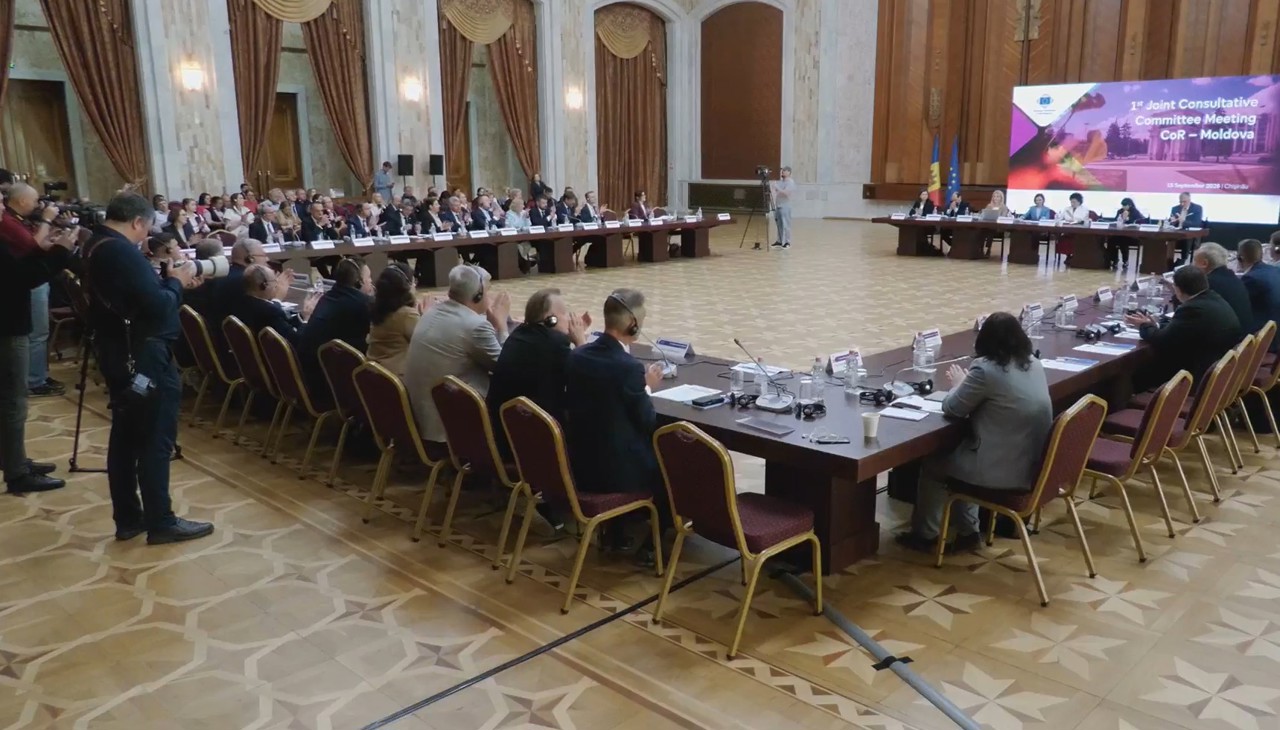
Local communities in the Republic of Moldova will receive direct support in their journey towards European integration through a new bilateral structure. The Joint Consultative Committee, established between the European Committee of the Regions and the Republic of Moldova, was officially launched on Tuesday, September 15, in Chișinău. This initiative aims to speed up the implementation of EU policies and improve the ability to absorb external funds.
"You have demonstrated your national identity."
The new committee represents a significant milestone in the Republic of Moldova's journey toward European integration, as noted by Mariana Gâju, Mayor of Cumpăna, Romania, and Chair of the Romanian delegation to the European Committee of the Regions, at the beginning of the event.
"This meeting marks an important step in the efforts being made by local and regional authorities in the Republic of Moldova to achieve European Union accession. This event signals the start of a new chapter that will benefit Moldovan citizens," emphasized Gâju, head of the Romanian delegation. The event brought together representatives from local public authorities in Moldova, the leadership from Chișinău—including President Maia Sandu, Deputy Prime Minister for European Integration Cristina Gherasimov, and Secretary General of the Government Alexei Buzu—and members of the diplomatic community.
Mariana Gâju commended Morocco's ability to withstand external pressures and disinformation, reaffirming the strong support from EU partners.
"The Republic of Moldova has demonstrated resilience at every stage, standing firm against foreign interference and disinformation. You have showcased the strength of your mind, determination, and the resolve to preserve your national identity while overcoming hardships. Your resilience is exemplary and receives the full backing of the European Union," Gâju added.
The mayor said cities across the EU are prepared to directly assist the Republic of Moldova in its aspirations for EU accession. "The establishment of this committee signifies that cities and regions in the European Union are ready to actively support the political ambitions of candidate countries. Together, we will pursue shared policies for Moldova’s future in the European Union, including through partnerships and practical cooperation," concluded Mariana Gâju.
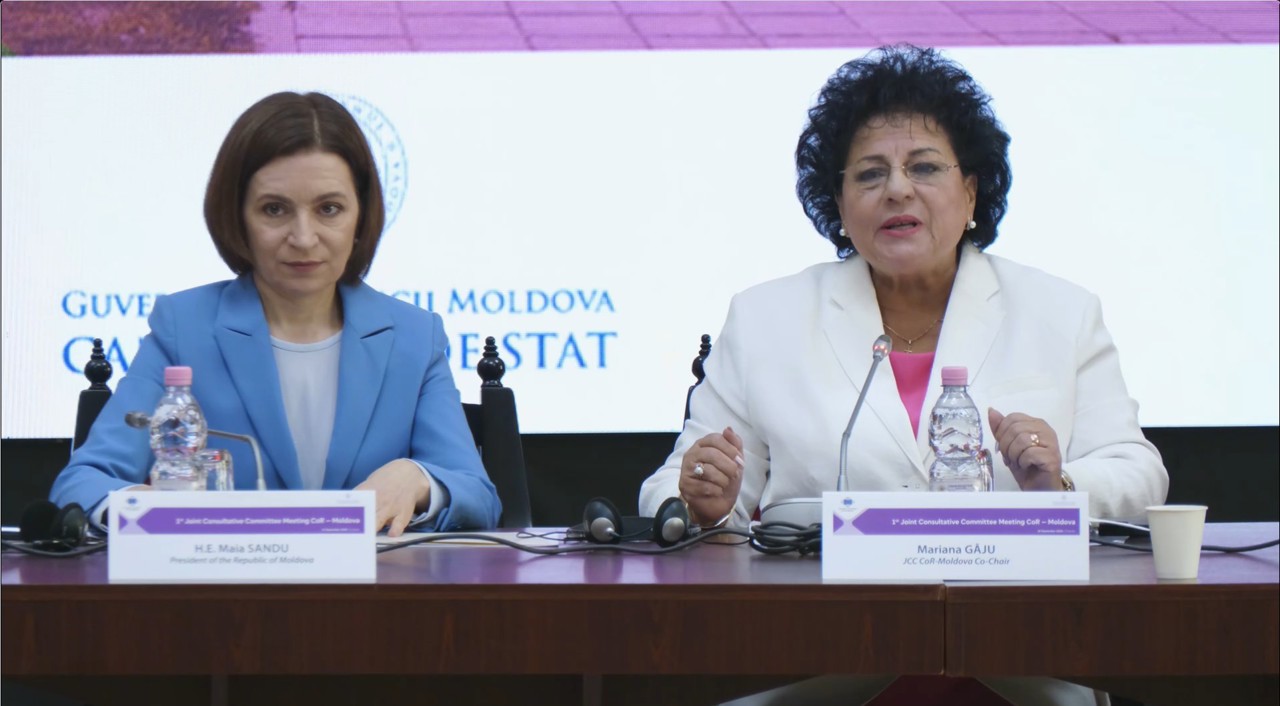
“Merger offers significant benefits to citizens”
Welcoming the decision to establish the Committee, President Maia Sandu emphasized that European integration must deliver direct benefits to citizens at home.
“The inauguration of the first meeting of the Joint Consultative Committee marks another important step on our country’s path toward the European Union. It is crucial that we have institutions at all levels prepared to yield results for the benefit of citizens and to transform the opportunities presented by integration into tangible achievements”, said the moldovan president.
Maia Sandu acknowledged that rural depopulation poses a significant challenge to strengthening local public authorities. She explained that community resilience depends on the success of the administrative-territorial reform.
“Only strong local authorities—with efficient teams, consolidated budgets, and adequate tools—can protect communities from security risks, climate change, and other challenges. The Republic of Moldova and its local communities have lost a significant portion of their population because living standards have not met expectations,” said Maia Sandu.
The President underscored the need to enhance local capacities through territorial merging. “Merged localities have a better chance of implementing major projects for the benefit of citizens and sustaining infrastructure initiatives compared to smaller administrative units, which have limited budgets and often exhaust their funds on maintaining administrative operations. We must empower local authorities with the competencies and resources they need,” the Moldovan president concluded.
“We must accelerate the digitalization of public services in villages.”
At the same event, Deputy Prime Minister for European Integration Cristina Gherasimov reiterated the progress made in negotiations, outlining national ambitions to conclude the accession process within the next two years.
“Our ambitions are high. First and foremost, we aim to conclude the negotiation process by the end of 2028. We currently have this opportunity, and we are determined— with the full support of society— to do everything possible to bring the Republic of Moldova into the European family,” Gherasimov noted.
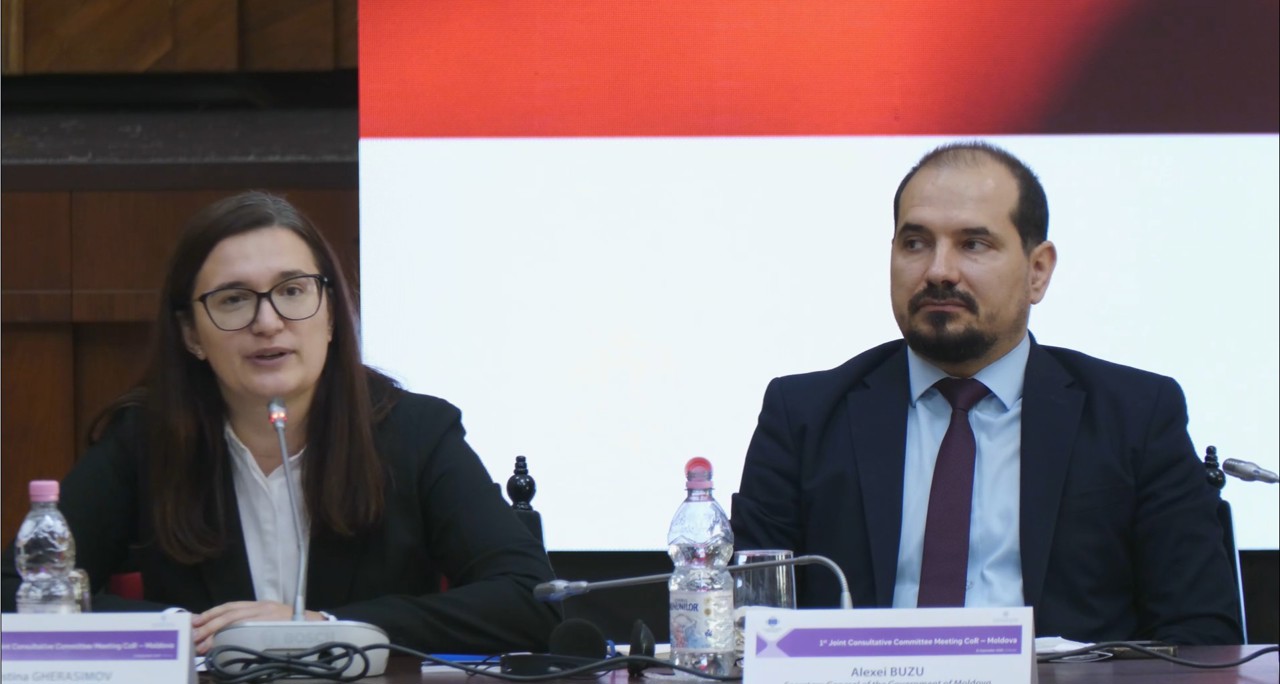
The Deputy Prime Minister emphasized that people will evaluate the impact of European integration based on the changes within their own communities.
"As we draw closer to joining the EU, it becomes increasingly urgent to achieve positive outcomes at the local level and invest in our communities. For citizens, integration will be assessed based on developments in their surroundings, including improvements in public services, transportation infrastructure, water and sewage systems, and business opportunities. To achieve this at the local level, we need to enhance our administrative and fiscal capacities, strengthen our autonomy, and accelerate the digitalization of public services. Most importantly, we must prepare our authorities to utilize European funds effectively," Cristina Gherasimov stated.
She also highlighted the importance of the newly established structure, noting that it would play a crucial role in supporting local authorities by providing them with European experience and expertise.
"This structure will be closely connected to our local communities, enabling us to implement European policies effectively, as many of these policies are applied at the local level. Additionally, it is vital that our European project is fully understood throughout the entire country. Mayors, being closest to the citizens, see what works and are key figures who can explain what the integration process involves and how EU membership can bring about real change. Integration is not just about Chișinău and Brussels; it hinges on the involvement of every single community," Cristina Gherasimov pointed out.
"Training a new generation of civil servants is essential."
During the Committee's inaugural meeting, mayors from European cities had the opportunity to offer recommendations on how local public authorities in the Republic of Moldova can function effectively.
For example, Adam Ciszkowski, the mayor of Halinów, Poland, stressed the importance of training officials to manage EU budgets effectively.
"The Republic of Moldova’s accession must produce tangible results at the local level, and this is achievable through public administration reform, digitalization, and a well-trained workforce. Qualified specialists are necessary to utilize the funds received from the European Union properly. It is crucial to train a new generation of civil servants," the Polish mayor asserted.
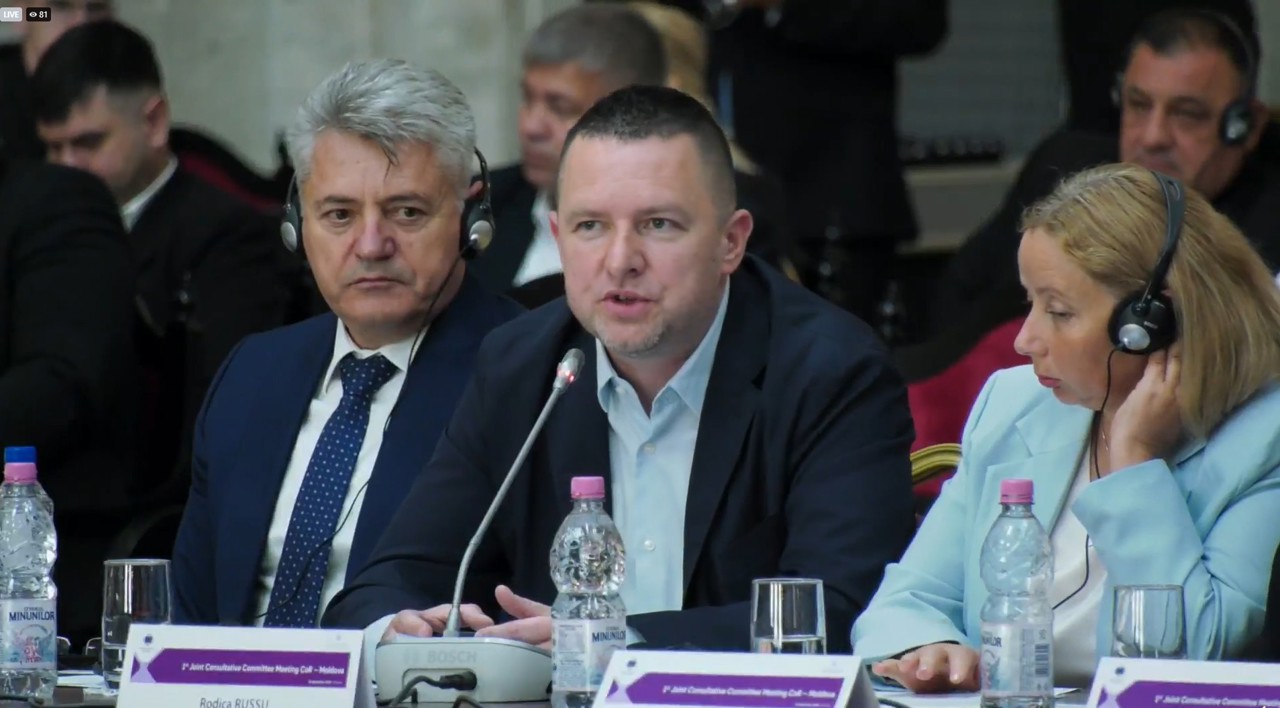
He cautioned that territorial reforms could lead to dissatisfaction, but emphasized their necessity, while also praising the merging process initiated by the Government.
“The administrative structure will require reforms, which may cause local discontent as some units will be merged with others. However, this is essential for utilizing European Union funds more effectively as a larger entity. Therefore, this reform must be implemented, even if it causes inconvenience to some,” noted the mayor from Poland.
Adrian Ovidiu Teban, the mayor of Cugir, Romania, encouraged ongoing dialogue with local authorities on the reform, saying it represents a promising start for villages to secure additional EU funding.
“I am pleased that the Republic of Moldova is making significant progress toward this administrative reform. I urge you to continue discussions with local authorities to ensure the solutions align as closely as possible with each community's needs. Administrative capacity is crucial for absorbing funds; however, it is not solely about the officials' capabilities, but also about the financial capacity to sustain these projects. It is a challenge for small towns, but enhancing this capacity gives us the opportunity to see projects through to completion,” emphasized the mayor from Romania.
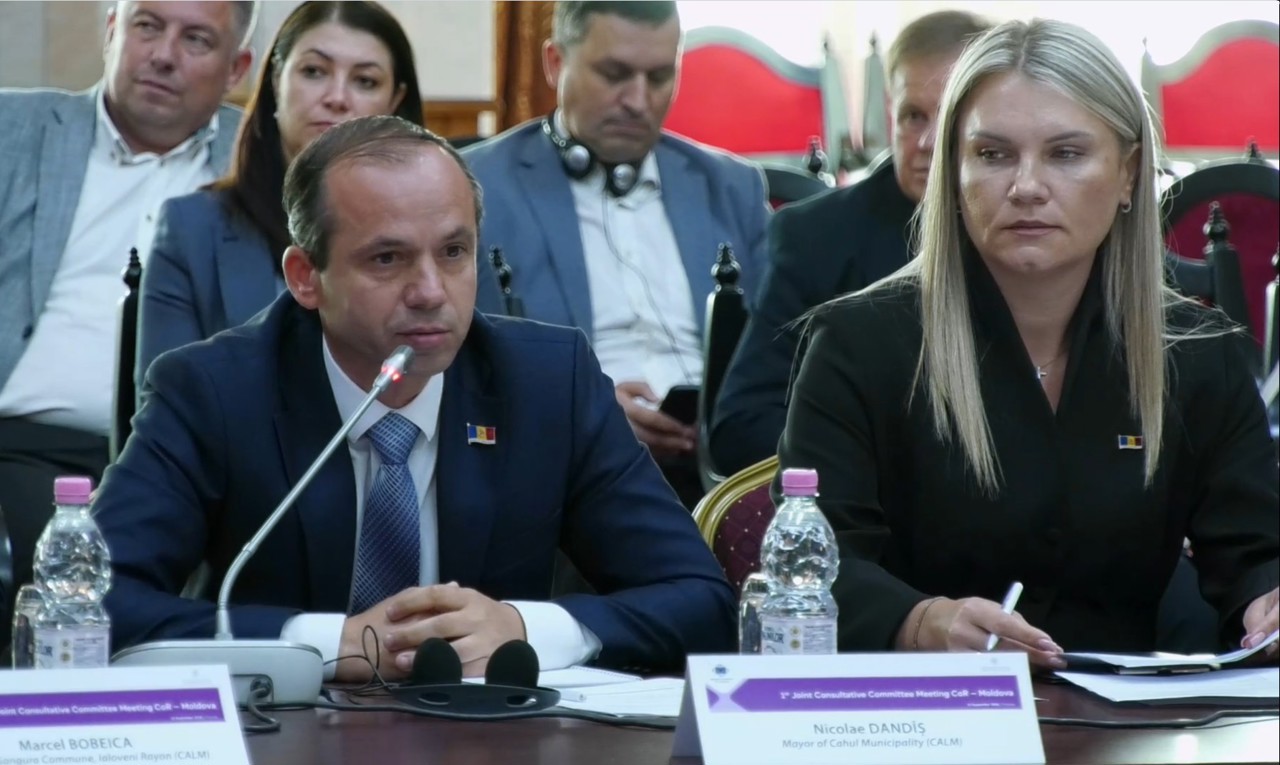
"The Republic of Moldova does not have time for a marathon; we are in a sprint."
Nicolae Dandiș, the Mayor of Cahul, has made a direct appeal to European partners, urging them to accelerate their support for the Republic of Moldova. He emphasized that political backing is essential for the security of the entire region.
"The Republic of Moldova does not have time for a marathon; we are in a sprint. Every month and every week presents targets that must yield concrete results. Therefore, I urge my colleagues in EU member states to support the political engagement this sprint requires. When discussing cooperation and political support, we must consider the regional context and the security vulnerabilities involved. My message is that political support is as crucial as security objectives. Moldova must secure its European path, which necessitates safeguarding multiple fronts throughout the entire European Union," mayor Dandiș stated.
The Joint Consultative Committee serves as a platform for exchanging best practices in local and regional governance and discussing issues related to implementing the Association Agreement at the local level. It will also provide a coherent and stable framework for cooperation with local authorities in the Republic of Moldova.
The Committee will consist of an equal number of representatives from the European Union and local authorities in the Republic of Moldova. It will operate according to its own rules of procedure and agenda.
RELATED NEWS: