Moldova's statistics align with Eurostat for European integration
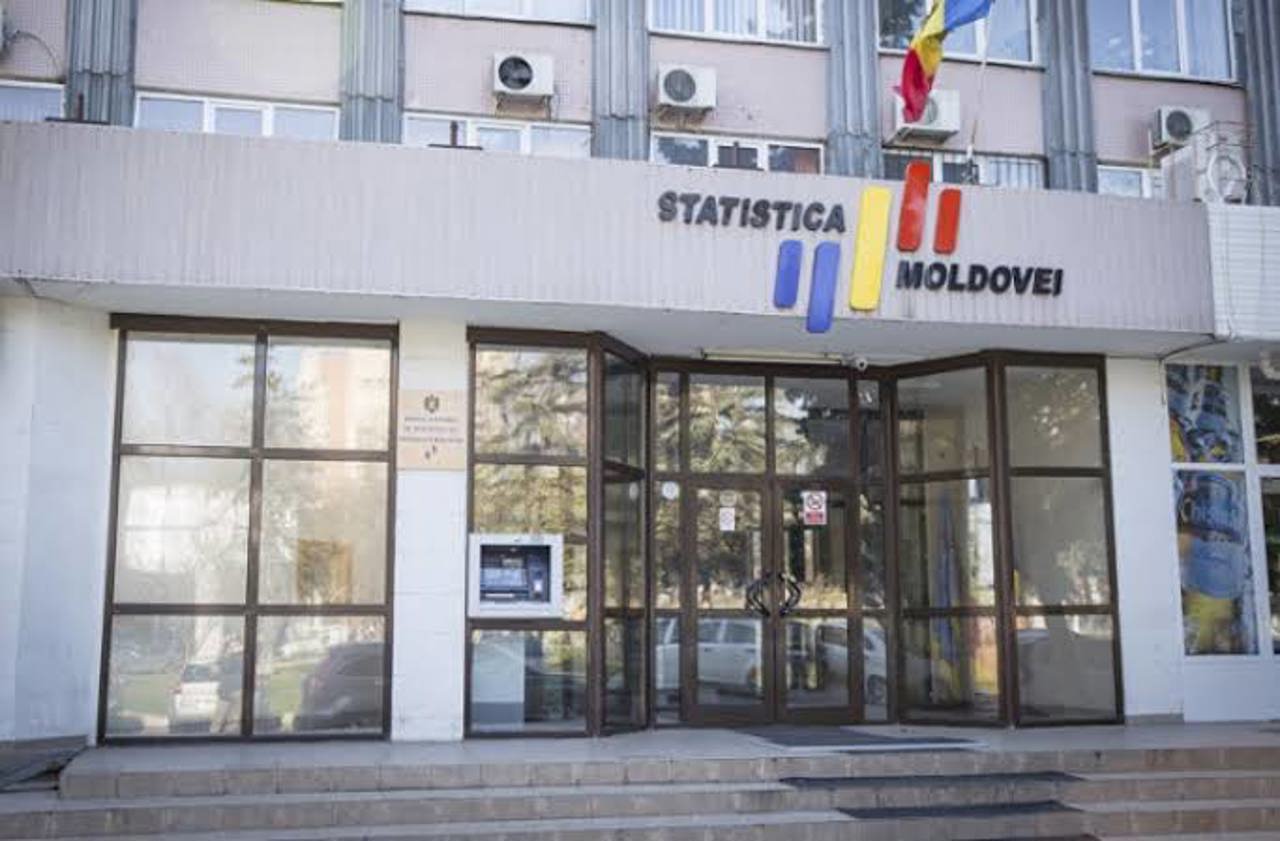
The national statistical system is taking a decisive step toward integration with Eurostat, the official statistical office of the European Union. As accession negotiations progress, the Republic of Moldova’s official data are being aligned with EU standards, ensuring direct comparability with figures from EU member states.
To speed up the process, Eurostat Director-General Mariana Kotzeva arrived in Chișinău on September 23. The visit comes against the backdrop of the official opening of negotiations—on June 15, 2026—between the Republic of Moldova and the European Union on Cluster 1 ("Fundamentals"), which includes Chapter 18 ("Statistics").
During meetings with the leadership of the National Bureau of Statistics (NBS), the Eurostat head will review the progress made in aligning the national legal framework and statistical classifications with European requirements.
Recent technical developments include expanding statistical surveys in accordance with the EU acquis and transmitting datasets to Eurostat via the secure EDAMIS platform—the official channel used by all EU member states.
The visit also provides an opportunity to examine the results of the assessment of the National Statistical System conducted in February 2026, as well as priorities for strengthening data quality and institutional capacities, in line with the European Statistics Code of Practice.
The Eurostat Director-General's visit coincides with the Policy Group on Statistical Cooperation (PGSC) meeting in Chișinău on September 22–23. Mariana Kotzeva is participating in this high-level meeting alongside the heads of national statistical offices from EU candidate and potential candidate countries, as well as other Eurostat representatives.
Discussions at the meeting focus on technical preparations for accession to the EU, data availability, and the modernization of statistical production processes.
The National Bureau of Statistics, alongside delegations from other candidate countries, is presenting recent developments and priorities for the coming period, affirming that official statistics aligned with EU norms are essential for transparency and policy-making within the integration process.
Eurostat is the statistical office of the European Union, responsible for collecting, processing, and publishing harmonized data at the European level.
Its primary mission is to provide official statistical data on demographic, economic, social, and other topics—standardized across all member states—enabling direct comparisons between their economies and societies.
The information the institution provides underpins fundamental political, budgetary, and economic decisions adopted by the European Union.
Eurostat also supports candidate countries in aligning their national statistical systems with EU standards to prepare for their accession to the European bloc.