Deinstitutionalizing children helps them learn to trust adults through safety and affection
The Republic of Moldova is making progress in the process of deinstitutionalizing children from residential centers, and professional foster parents—individuals employed and remunerated by the state to provide children with care, protection, and a decent standard of living—are becoming the key pillar ensuring their transition to safe family environments.
The approach taken by authorities and society regarding child protection has undergone a radical transformation over the past two decades, with the emphasis now placed on preventing family separation, according to Marcel Straton, Executive Director of the Lumos Moldova Association.
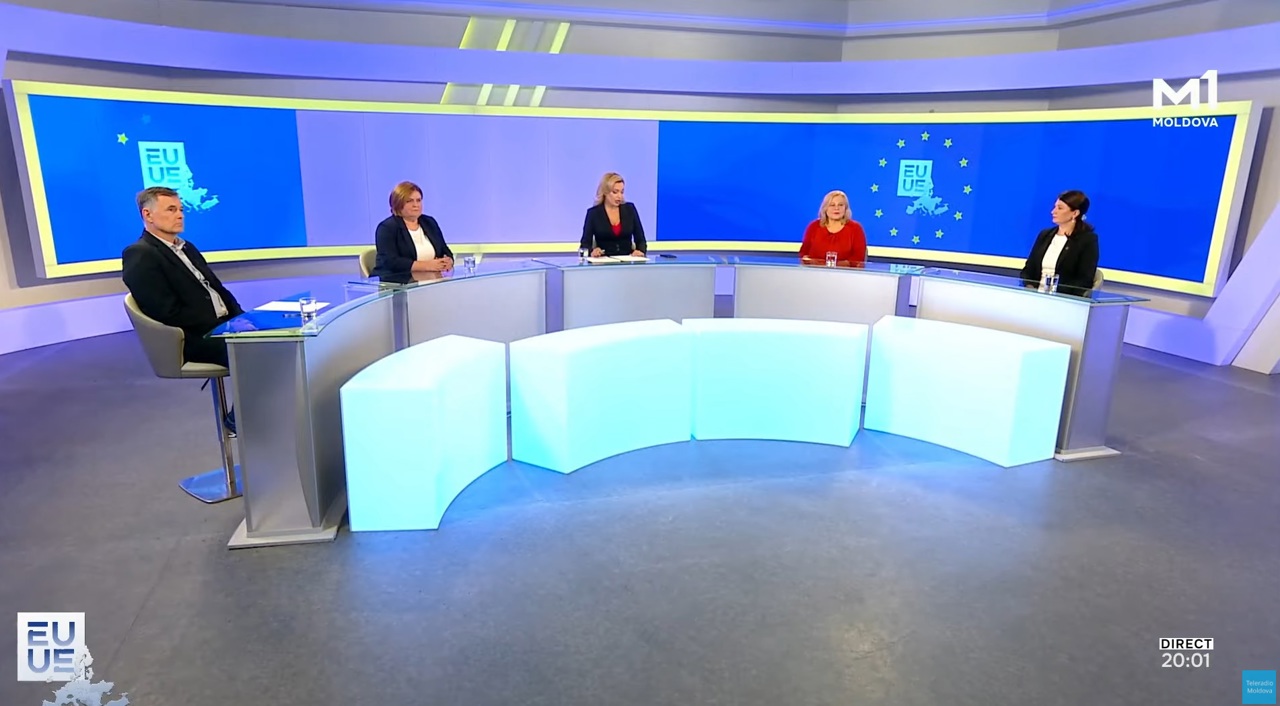
"A great deal has changed in the last 20 years. First and foremost, children have the opportunity to grow up within a family, receiving love and affection from their parents or foster carers. Furthermore, the state and society have adopted a different approach: instead of merely reacting when a crisis occurs, they now take preventive action to address the root causes of family separation," Marcel Straton stated during the program "EU si Uniunea Europeana" on Moldova 1.
The guest also highlighted that a major challenge was combating stigma and shifting perceptions within communities, where children leaving residential institutions often faced labeling and barriers to integration.
"Another crucial factor was changing the mindset within the communities to which these children returned. Unfortunately, the label of 'child from a boarding school' or 'child from an orphanage' would follow them for some time, creating difficulties for their social, community, and educational inclusion," noted the Executive Director of Lumos Moldova.
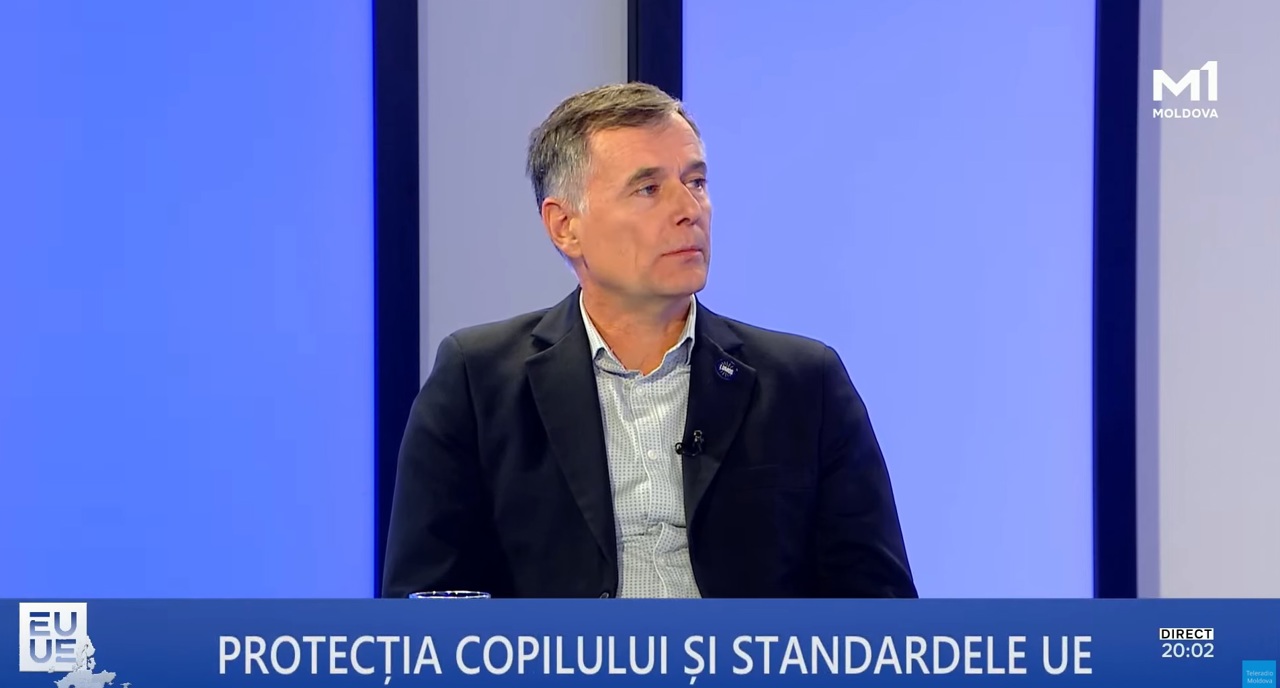
Over the past decade, the state's approach has fundamentally shifted from placing children in large residential centers to strengthening family capacities to prevent separation—a point confirmed on the same program by Anastasia Gruzin, a representative of the Ministry of Labor and Social Protection (MMPS).
"Previously, the emphasis was on developing large institutions housing over 200–300 children. This was considered an optimal solution, as it relieved parents of responsibility, while the state provided no support to families facing difficulties. Today, however—after more than ten years of reforming the child protection system—we focus on strengthening the family, developing caregiving capabilities, and preventing any risk factors that could lead to a child's separation from their family," Anastasia Gruzin explained.
The ministry representative noted that authorities are aware of the negative impact of institutionalization and have made it a priority to move the remaining children out of such centers.
"Given the harmful effects of institutionalization, our goal is to remove them from these facilities and give them the chance to grow up with a family in a welcoming environment. These children belong to the country, and they need care, protection, and well-being," the MMPS representative stated.
She also reiterated that individuals who take on the role of caring for these children receive state support. "Individuals who take responsibility for and care for these children at risk also receive a guaranteed salary from the state for the work performed," added Anastasia Gruzin.
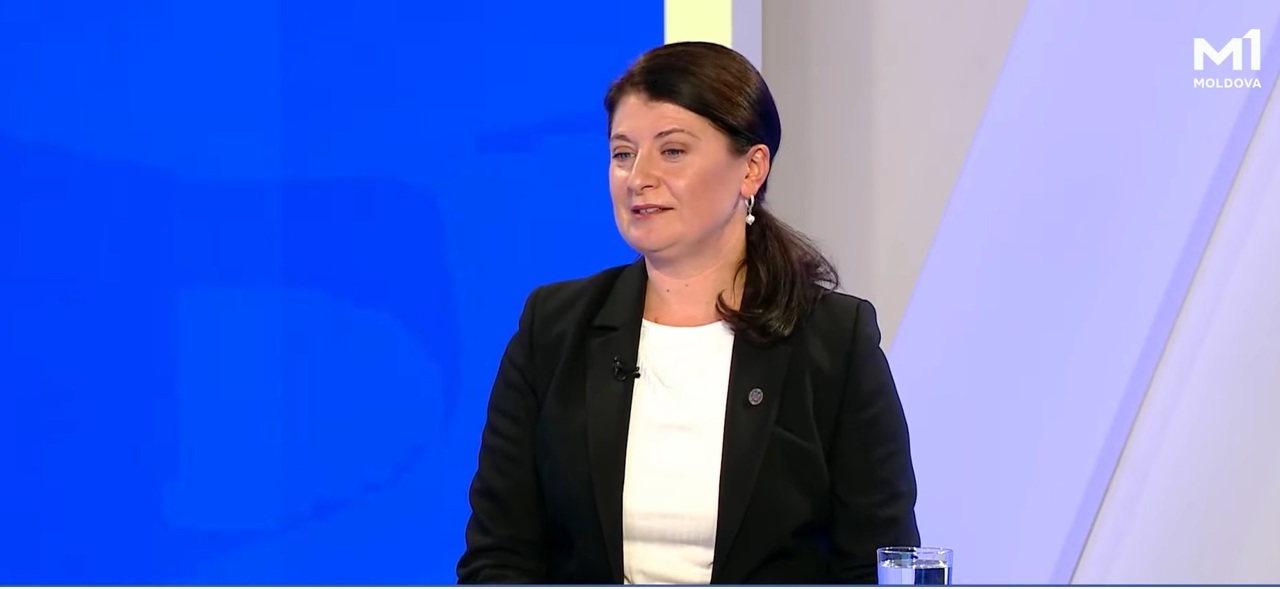
Upbringing in a family provides children with the emotional stability they need and a deep sense of belonging, psychologist Zinaida Gribincea said.
"A child raised in a family cultivates, first and foremost, a sense of 'home,' as well as an attachment to a specific place and the feeling that word conveys. Secondly, the child develops properly from both cognitive and emotional standpoints. Guided by a parent, the child understands the steps to follow and what needs to be learned at each stage of their development," Zinaida Gribincea explained.
The specialist points out that, although residential care centers have specialized staff, they cannot fully meet a child's emotional needs—unlike a family, where upbringing occurs naturally.
"It is not a problem with the institution itself, but rather the fact that the staff there—no matter how numerous—cannot completely satisfy the emotional and cognitive needs of every single child. In a family setting, things happen naturally. Whether sitting at the table, engaging in shared activities, or listening to a bedtime story, the child does not merely receive information; they shape their moral, socio-emotional, and cognitive character. Within the family, the child understands that they are wanted and important, and that all their needs are being met," the psychologist said on Moldova 1 TV.
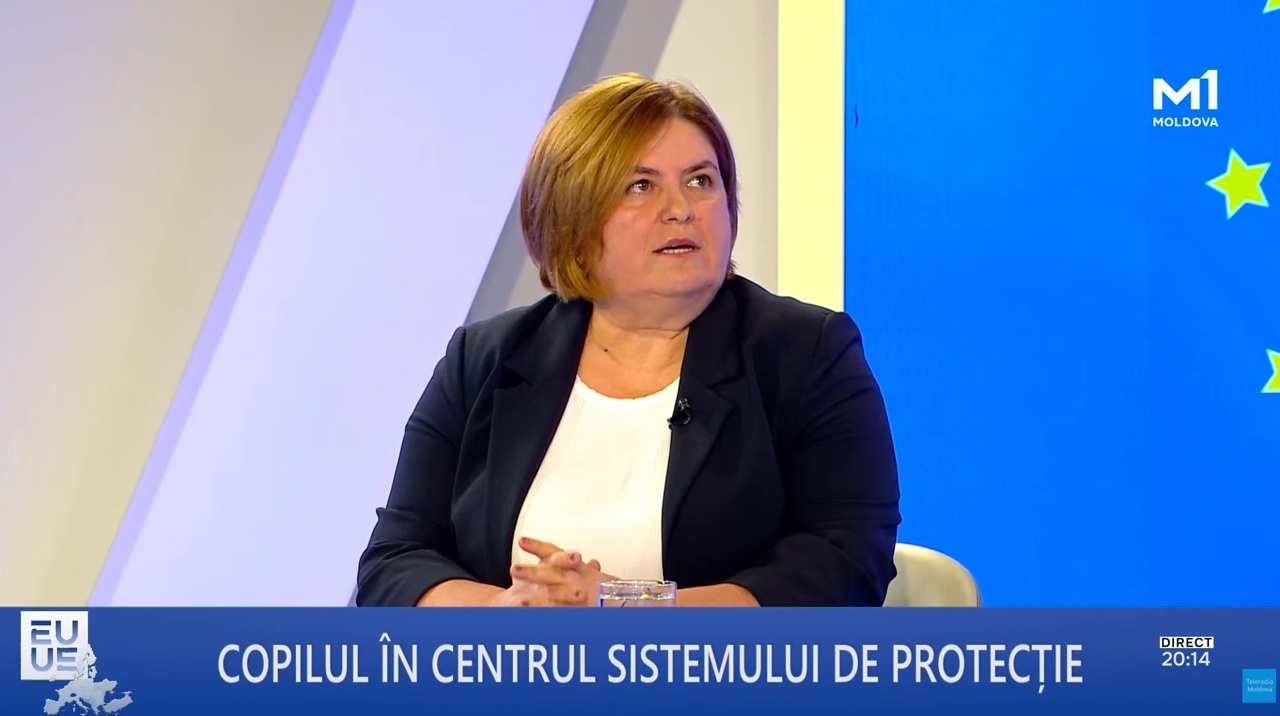
Lidia Bubulici, a foster parent in the village of Chetrosu (Drochia district) and a mother of three biological children—who has also fostered seven other children over time—says empathy and her mother’s encouragement prompted her to take the first step toward becoming a foster parent.
"Having a lot of children in the house never seemed like too much to me. When setting the table, I would always put out an extra plate, thinking there was room for someone else. I took the first step when my mother said to me: 'Lidia, why don't you take in a child and raise them?' I was overjoyed, because I had been thinking about it too, but I didn't know if she would agree. I went and submitted the application right away," recounted Lidia Bubulici.
Although the current number of foster parents in the districts remains insufficient to meet the need, the initial phase involved undergoing rigorous matching procedures with children whose paperwork was ready for placement. "We were then referred to several centers in Bălți and Chișinău. When we went to Bălți, we couldn't see the children because the director wasn't there. Then we went to Chișinău. A man told us there were three siblings, and all their paperwork was in order. My husband and I looked at each other and said that if God had brought these children into our path, it was meant to be, and we would take them. Then we learned there were two other siblings who had lost their mother. Without having seen them beforehand, we said we would take them too. So, we went home not with three children, but with five," recounted Lidia Bubulici.
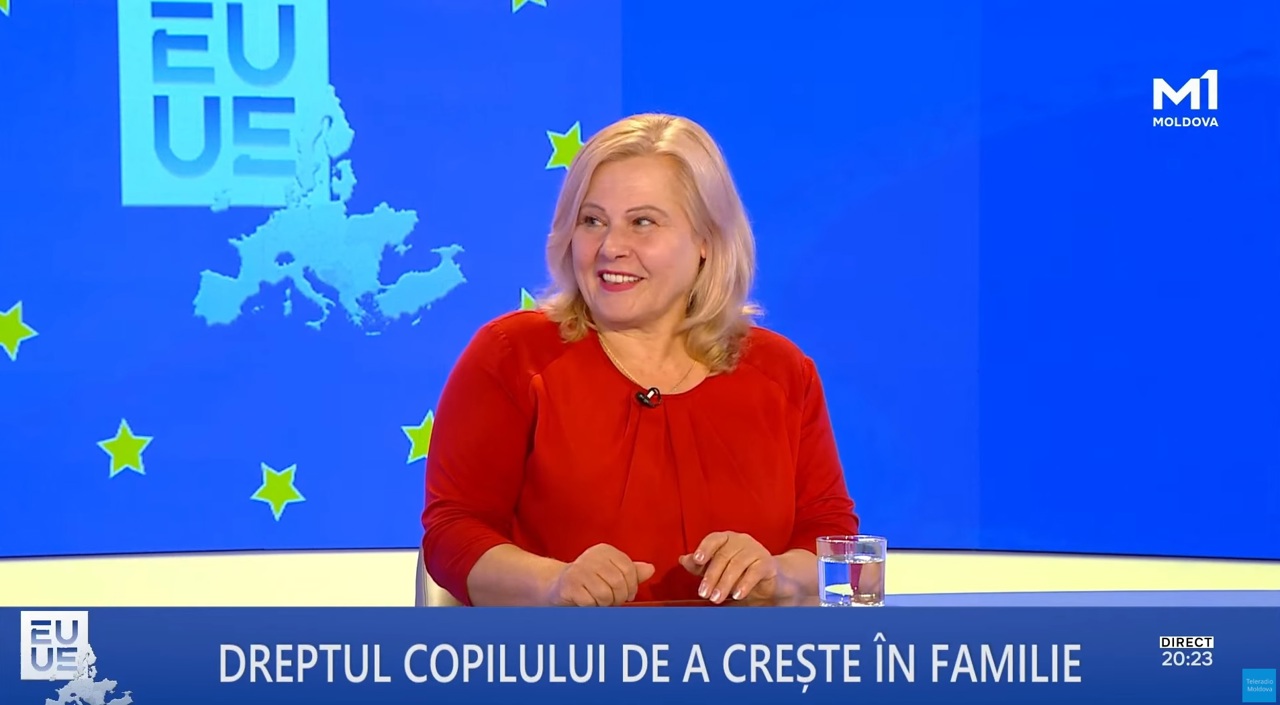
Zinaida Gribincea says that a child traumatized by separation from their family can learn to trust adults again, but this process depends entirely on the new parents' ability to provide safety and affection.
"A child who has experienced the trauma of separation can learn to trust an adult again, but it all depends on the adult's ability to reassure them that things will be okay. In foster or adoptive parents, children seek everything they lacked up to that point. The extent to which the messages adults wish to convey take root depends on their skill and patience," explained Zinaida Gribincea.
At the same time, the psychologist emphasizes that successful integration into a new family hinges on the parents' ability to understand each child's unique character and temperament.
"The parent must weigh the full significance of the child in their life. By considering the child's individuality, character, and temperament—as well as who they are as a person—the parent can find the right approach. Only in this way will the child come to love the new family and integrate naturally, while the parents, in turn, can take genuine steps to meet the child halfway," the specialist concluded.
Two decades ago, in 2006, 67 residential institutions operated in the Republic of Moldova, housing over 11,500 children. Today, such large-scale residential institutions no longer exist, and around 270 children remain in either old-style institutions or new-type services.
These figures indicate a massive reduction in the number of children in residential institutions—over 97%—an achievement unmatched by any other country.