Day of Older Persons: Loneliness is a major issue for the elderly in Moldova
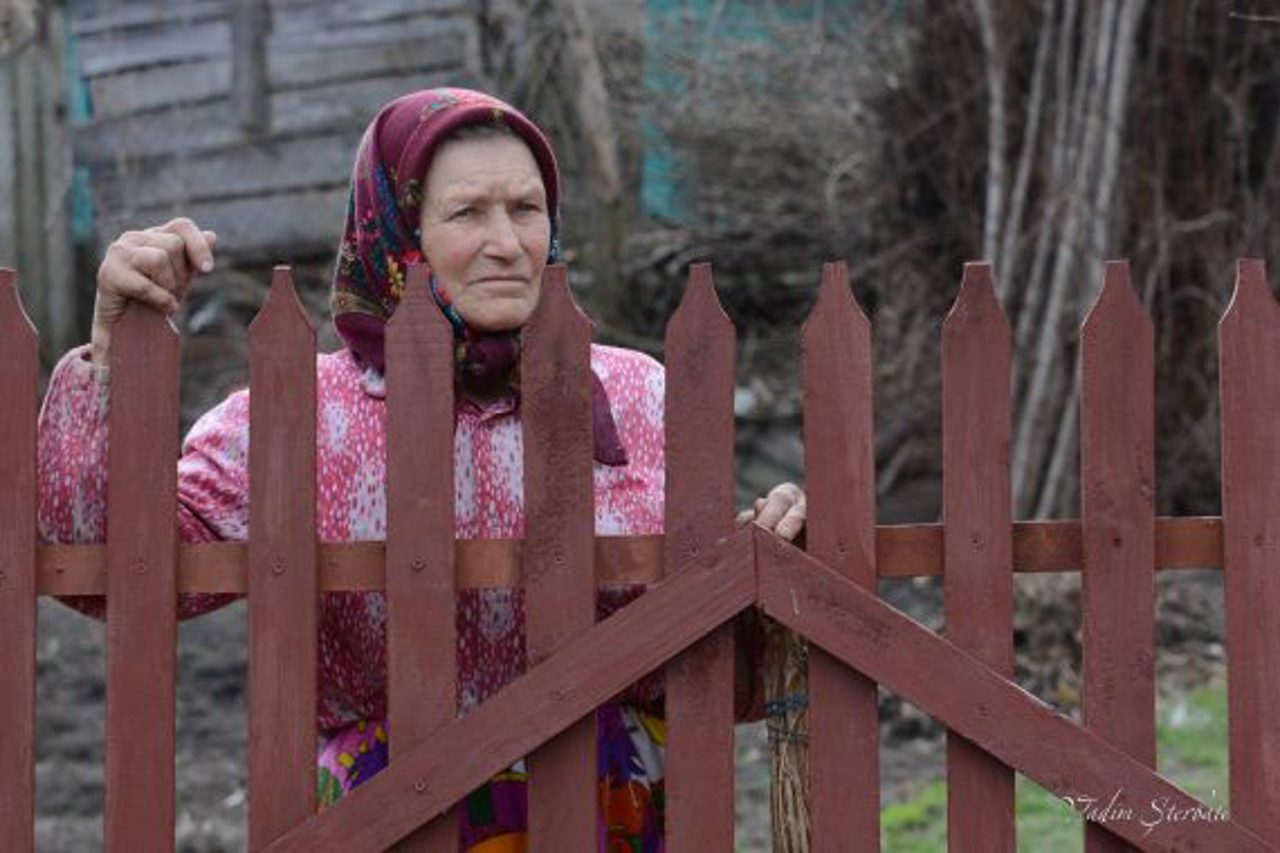
Loneliness remains one of the greatest challenges for the elderly in the Republic of Moldova, particularly for those in rural areas whose children have gone abroad. Currently, approximately 15,000 isolated elderly people receive home care services, stated Natalia Plugaru, Minister of Labor and Social Protection.
Authorities are seeking to expand social services for people living alone, particularly those whose children have moved abroad.
There are approximately 1,400 social workers in the Republic of Moldova who visit the elderly in their homes to assist with daily activities.
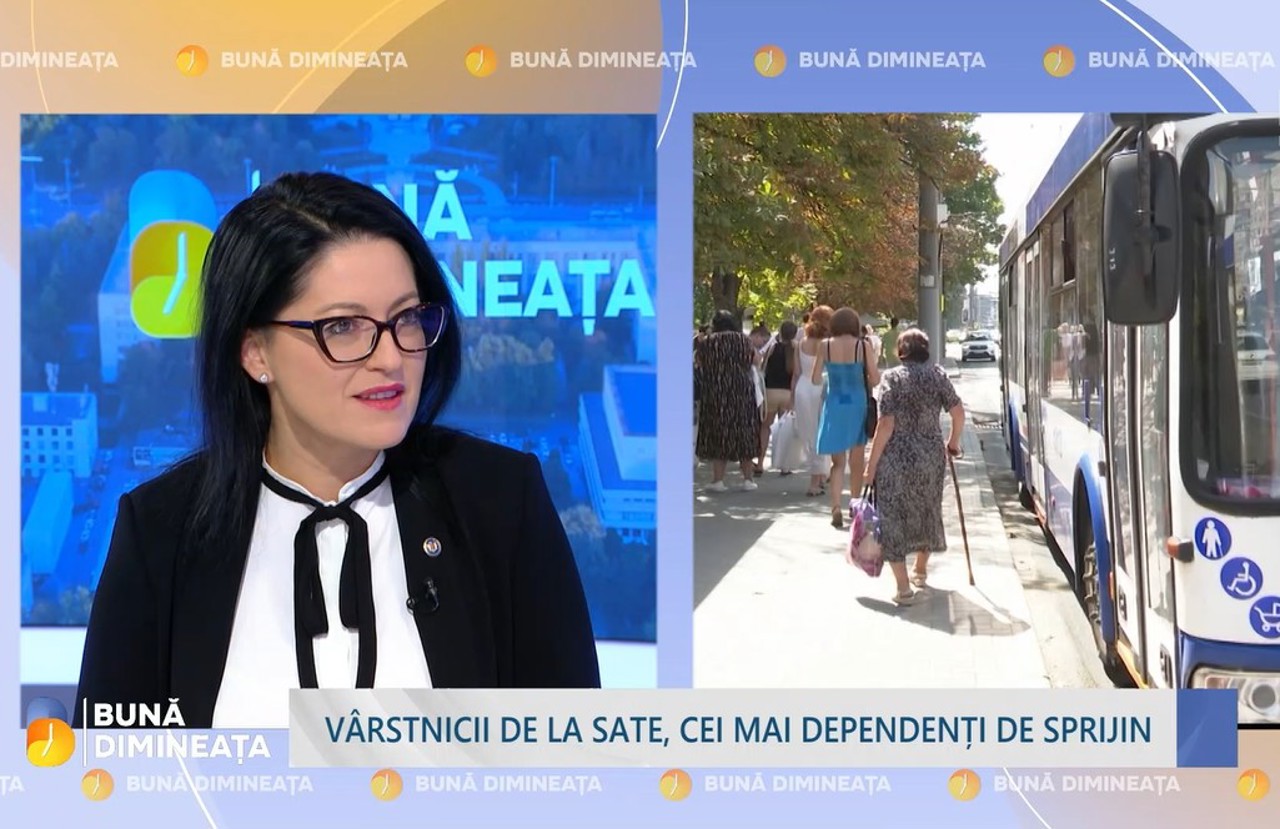
"A social worker goes from house to house visiting elderly individuals—typically twice a week—spending a few hours a day looking after them. They help with personal hygiene, prepare meals, or even go shopping for the beneficiary. Essentially, they become like a family member; often, as the elderly themselves say, the most important aspect is the social interaction. Many people are unable to step outside or have no one to talk to, so the arrival of a social worker is a lifeline for them," stated Minister Natalia Plugaru on the Moldova 1 program "Bună Dimineața".
Authorities also plan to develop day centers for the elderly, especially in rural areas. The aim is to transform unused spaces into venues where people—including those living alone—can meet, participate in activities, and spend time together. "There are people who do not wish to stay at home alone and therefore prefer to come to a care center, where they benefit from communication, socialization, and care. We are also trying to expand this network of care centers for elderly individuals who wish to access these social services," the Minister noted on the International Day of Older Persons, observed annually on October 1st.
Another initiative announced by the Ministry of Labor and Social Protection is the promotion of active aging. This year marks the tenth edition of the National Award for Active Living at Any Age. From over 29 submitted applications, 15 individuals were selected to be honored for their contributions to their communities after retirement.
Among them are individuals who continue to contribute to their communities well into their 70s or even 80s: a woman who established a history and ethnography museum and teaches young people carpet weaving; a person who founded a local orchestra and performs concerts across several districts; and a researcher who, at the age of 80, continues to work in physics and mathematics and educate young people.
"These people possess enthusiasm and dedication, demonstrating that one can remain active at any age," said Natalia Plugaru.
The "Third Age University" program, conducted at Moldova State University, follows this same approach. This year, about 90 people over the age of 65 will attend university courses for one year.
The program has also been expanded to an online format for individuals with limited mobility.
"A very popular course—given that participants can choose their own subjects—is the one on legal education; older adults want to know their rights and how to defend them, and we are very pleased about this. English language courses are also in demand, as many have grandchildren abroad with whom they wish to communicate; the same applies to courses on digital skills, computer use, and social media. All of this represents a wonderful challenge for these individuals," noted Minister Plugaru.
To develop these services, the Ministry of Labor is working closely with local public administrations, the UN Population Fund, and various private organizations.
Demographic pressure on the pension system
The rising proportion of elderly people is occurring against a demographic backdrop characterized by a smaller number of children and a shrinking active workforce. The Minister acknowledges that this shift in the generational balance places strain on the pension system, where the ratio of pensioners to employees stands at 1 to 1.1.
"The ratio is changing; consequently, with fewer children and fewer people in the labor market, we will need to work harder to sustain the pension budget," noted Natalia Plugaru.
In this context, the Minister emphasized the importance of formal employment. Contributions paid during one's working years are a key source of pension funding, while periods of undeclared work are not factored into the contribution period calculation.
Regarding the social assistance system, authorities are also seeking to establish a clearer career path for professionals in the field. However, they acknowledge that the sector faces a staffing shortage and that attracting young people to the profession remains a challenge. "Social work is quite complex. It involves not just physical labor but a great deal of emotional work; after all, you are dealing with children facing hardship, as well as cases of violence or loneliness, so psycho-pedagogical training is essential. A challenge in social work is that few young people are willing to pursue this profession for various reasons. However, during my tenure, I have made it a priority to raise the profile of this profession and restore its dignity. A significant step we have taken within the Government—and one that has already passed the first reading in Parliament—is introducing qualification ranks for social workers. What does this entail? It works just like the systems for teachers or doctors: to achieve a higher qualification rank, you take specific courses, earn credits, and gain the opportunity for a higher salary. It incentivises social workers to advance, keep learning, and even pursue a master's degree. This year, in collaboration with Moldova State University, we launched a master's program in child rights protection, offering state-funded places to students who have enrolled and are currently studying," the minister said.
According to official data, nearly a quarter of the population of the Republic of Moldova—611,000 people—are aged 60 or older, with the majority being women. At the same time, while women face an increased risk of poverty and considerably lower pensions due to career breaks—16.2% lower than men's (4,162 versus 4,964 lei)—men experience a high rate of premature mortality, with a life expectancy that is five years lower.