Grosu defends regional overhaul amid opposition pushback
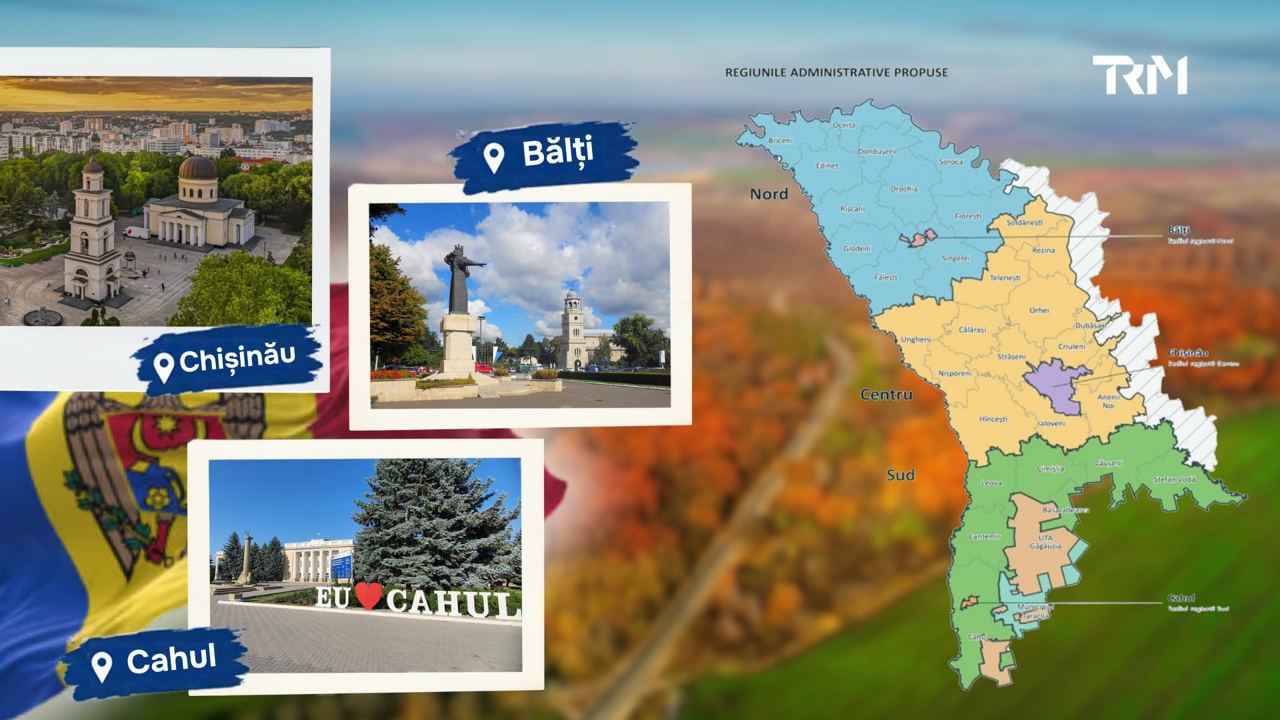
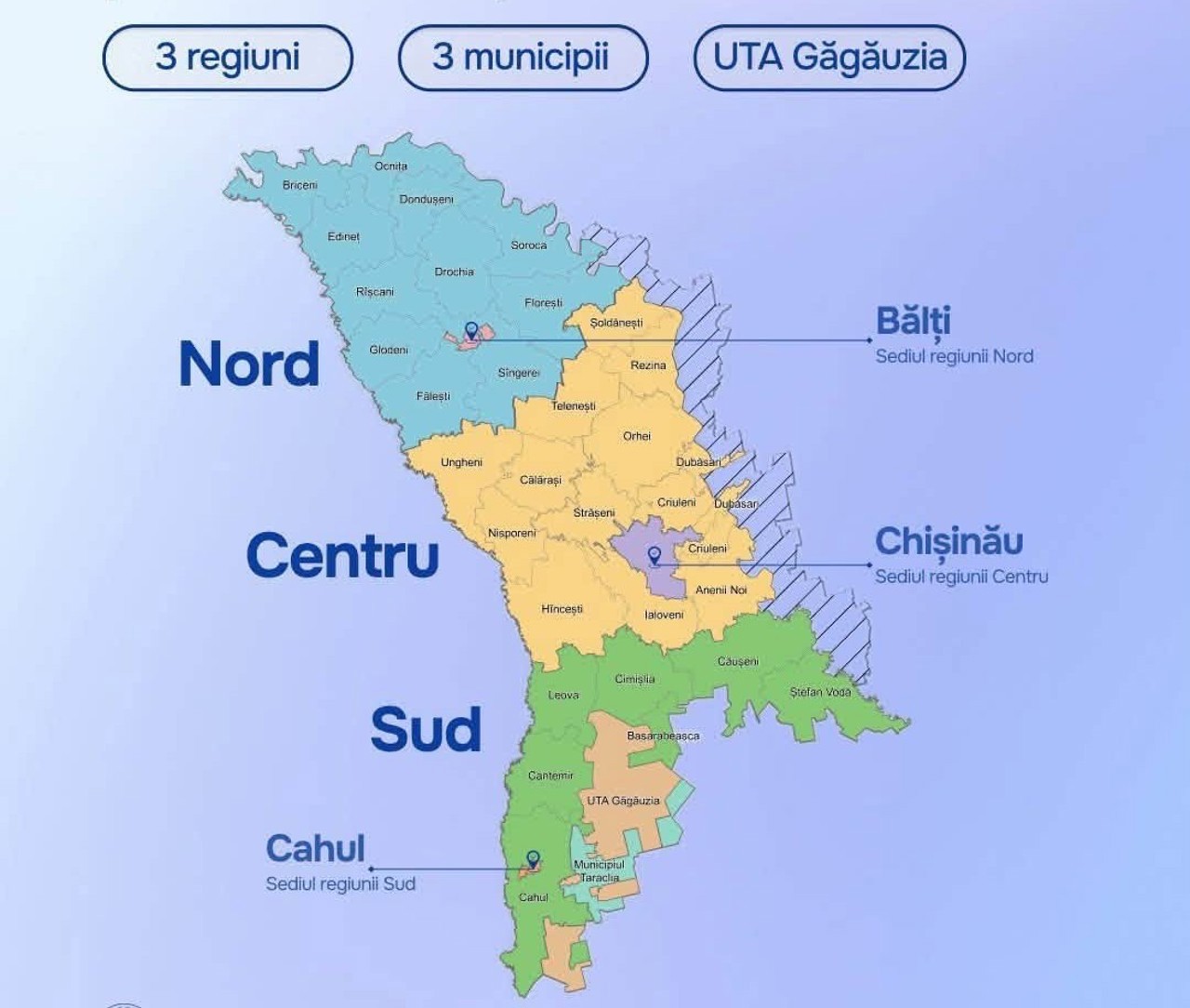
Moldovan authorities plan to replace 32 territorial districts with three macro-regions, triggering debate over local decentralization and administrative spending as lawmakers prepare for a sweeping governance overhaul ahead of local elections.
Second tier preserved across seven units
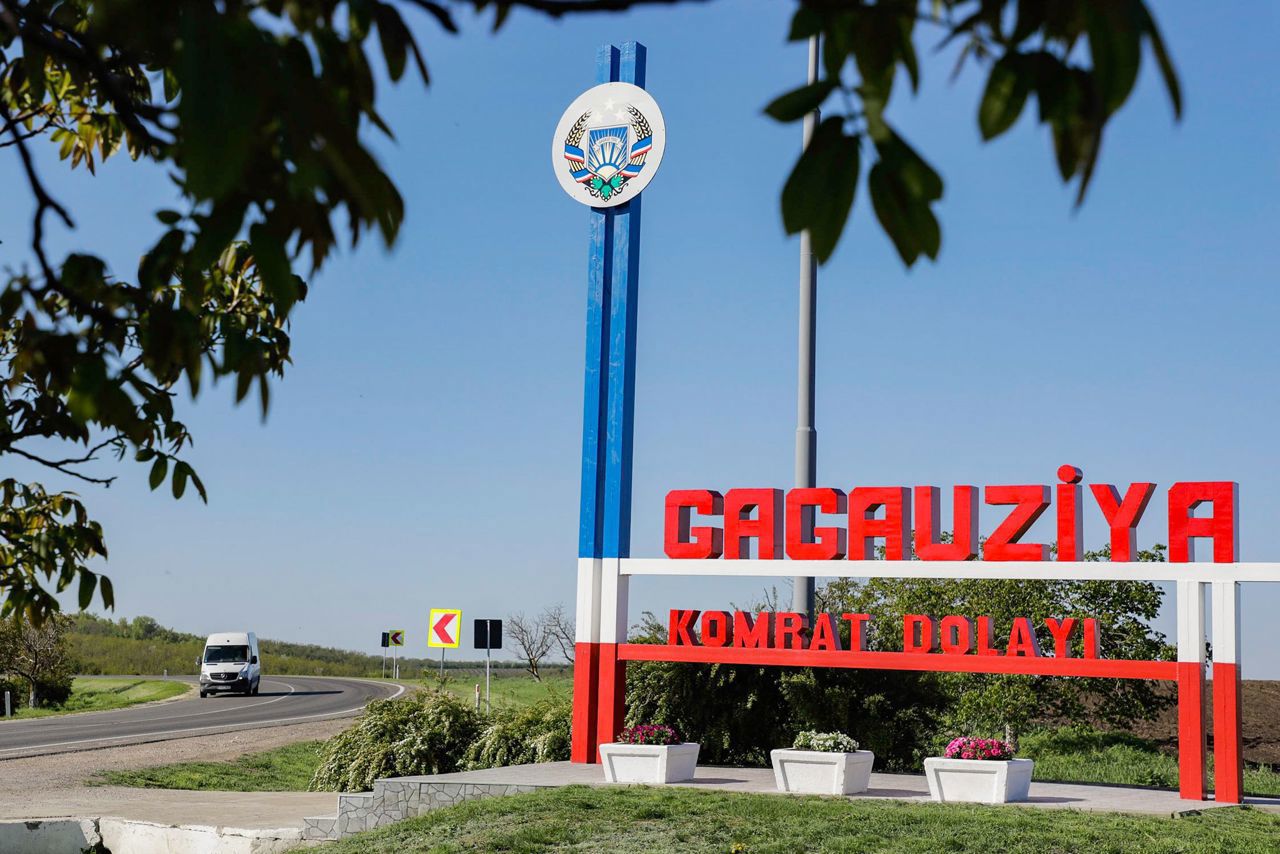
Parliament Speaker Igor Grosu said the proposed reform will not abolish intermediate governance, noting that local public services and assets will remain close to citizens. The second tier will instead comprise seven administrative units: the North, Central, and South regions, the municipalities of Chisinau and Balti, the Autonomous Territorial Unit of Gagauzia, and Taraclia.
“The second tier remains. That is the answer. The second tier remains,” said Grosu. He dismissed claims that eliminating traditional district councils requires amending the Constitution, urging stakeholders to focus on fiscal policy and competencies rather than administrative designations.
Grosu added that district specialists will be integrated into expanded town halls, some serving up to 42,000 residents, or into regional agencies managing inter-community utility networks.
Opposition urges central government cuts
Parliamentary opposition figures acknowledged the need for reform but criticized the government’s approach, calling for real financial devolution and prior restructuring of central ministries.
Socialist leader Igor Dodon argued that authorities should transfer state taxes directly to town halls rather than cut local councils. “Let us give more powers to town halls and transfer part of state taxes to them,” said Dodon, warning that the current formula could increase budget expenditures.
Independent lawmaker Vasile Tarlev said central administration must be restructured before merging regional bodies. “The current government chose to start from the tail end, targeting local and regional authorities first,” said Tarlev, questioning whether staff numbers will actually drop.
Democracy at Home leader Vasile Costiuc also backed reducing intermediate districts but warned that key responsibilities, such as education and social assistance, have already been centralized into national ministries, leaving future regional roles unclear.
Translation by Iurie Tataru
RELATED COVERAGE
- Moldova plans to slash districts to ten in local power shift
- Moldova's administrative consolidation faces scrutiny ahead of 2027
- Fewer bureaucrats, better services: Moldova's plan to merge local
- Moldova streamlines local governance with €8.8 million
- Moldovan village opposes mandatory merger after census